


Sweeping personnel cuts and a massive emergency funding shortfall trigger sharp warnings about acute WHO operational risks from member states and experts. Yet, diverging regional priorities complicate short-term and sustainable financing solutions.
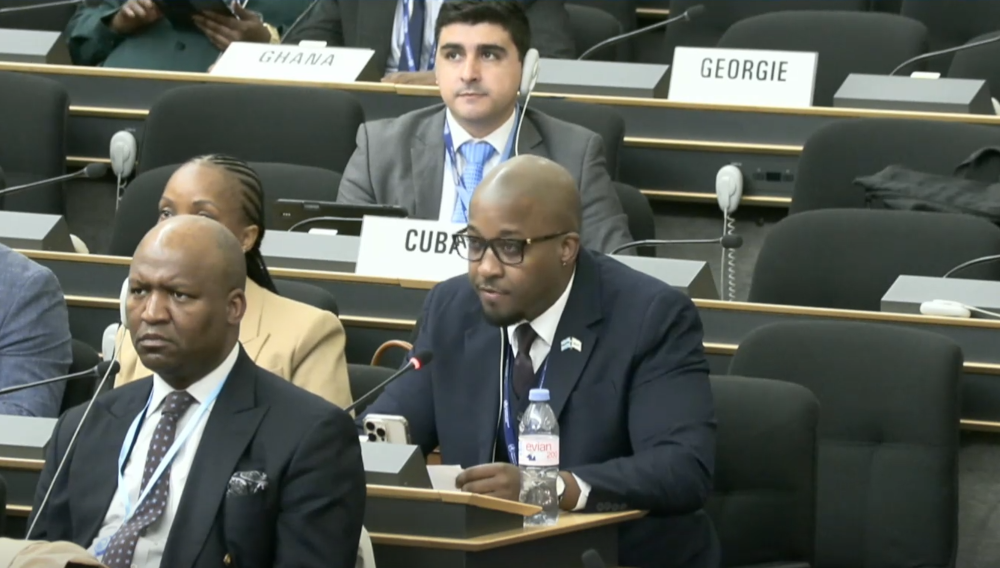
GENEVA –Member states sounded alarms over severe WHO budget constraints on Thursday at the World Health Assembly. Delegates warned that a 9.4% staff reduction as of December 2025, culminating in reductions of nearly a quarter of staff by mid-2026, are depleting the organisation’s crisis response mechanisms, in particular and thus its ability to respond to emerging health risks.
The unprecedented financial squeeze follows the self-declared withdrawal of the organisation’s largest contributor, the United States, forcing a 21% reduction in the base budget for 2026-2027 – from the originally planned $5.3 billion down to $4.2 billion. This sweeping institutional restructuring leaves the global health architecture highly vulnerable just as deadly new pathogens such as the recent Ebola outbreak emerge.
The debate cast a harsh spotlight on the organisation’s capacity to manage global health emergencies. According to official financial reports, the WHO Emergency operations segment currently faces a massive $553 million funding gap. Emergencies and Polio eradication budgets, funded separately through special donor appeals, budgeted at about $2 billion for 2026-27. The Emergencies’ deficit is separate from the gaps in the base budget, which still faces a funding shortfall of $420 million or 10%. Additionally, the critical Contingency Fund for Emergencies has plummeted to a historic low balance of under $20 million, falling drastically short of its official $100 million target capitalisation.
“The financing that we need at the start of an outbreak, at the start of pandemics comes from our contingency fund for emergencies which is dangerously low right now,” warned Dr Maria Van Kerkhove, acting director of the Department of Epidemic and Pandemic management at the WHO at a World Health Assembly side event earlier this week.
Cuts cause operational risks
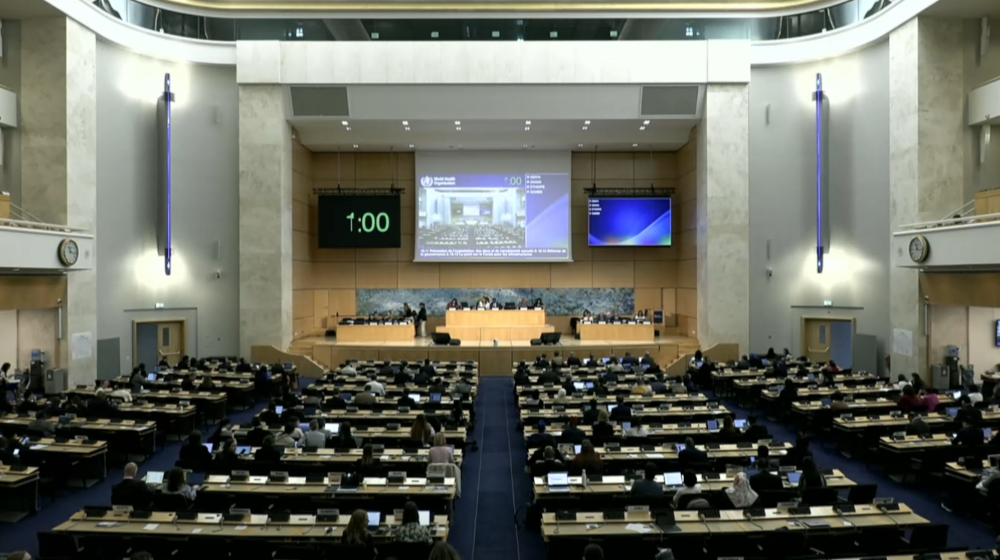
Independent oversight bodies had issued stark reminders about the deadly consequences of the sharp financial reductions. A Global Preparedness Monitoring Board report, released earlier this week, warned that while investments in pandemic preparedness strengthened post COVID-19 pandemic, “shifting geopolitical priorities threaten to undermine this progress.”
As warned in the Report of the Independent Oversight and Advisory Committee for the WHO Health Emergencies Programme, current cost-saving measures and workforce reductions risk repeating the fatal mistakes made after the 2008 global economic recession, when health emergency-related functions and teams were similarly deprioritized.
To weather the WHO’s fiscal shortfall, the global health body had managed 2,507 staff separations worldwide, of which 1,232 were direct post abolitions, as of 13 March 2026, according to the WHA report presented to member states.
“This trend reflects structural pressure which could compromise the operational capacity of the organisation, particularly at country level,” warned Panama’s delegate during the human resources debate on Thursday.
Speaking on behalf of 47 African member states, Botswana’s delegate reminded the Assembly that WHO’s workforce remains the organisation’s greatest asset.
“It is … critical that ongoing reforms and workforce adjustment preserve technical expertise, institutional memory, and adequate support to regional and country offices,” added Botswana’s delegate.
Secretariat warns against staff burnout
Beyond the loss of technical expertise, member states also expressed deep concerns over the mental health status of WHO staff who have weathered the current restructuring. Along with witnessing the job loss and departures of friends and peers, those who survived had to undergo months of internal departmental wrangling, fierce competition over a reduced number of organisational placements, and finally team, departmental or even geographic relocations. Panama highlighted a troubling spike in psychosocial support requests, while Poland emphasised that staff cannot sustain global health outputs without a supportive working environment.
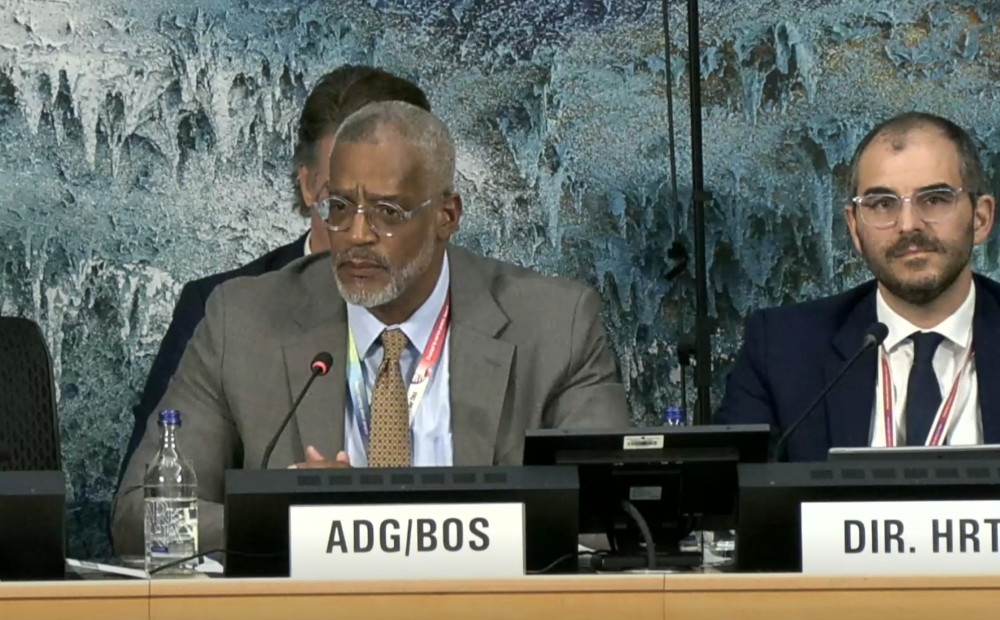
Acknowledging the immense pressure on the remaining personnel, Assistant Director-General Raul Thomas noted that staff are also now struggling with unrealistic expectations.
“People are under the understanding that they will have to deliver the same results with a reduced workforce,” said Thomas on Thursday.
To protect the workforce from burnout, he urged that member states recalibrate their expectations to align with the stark new fiscal realities. The Secretariat emphasised that countries must focus purely on essential mandates, rather than pulling the organisation in other directions through earmarked funding.
No immediate funding solutions in sight
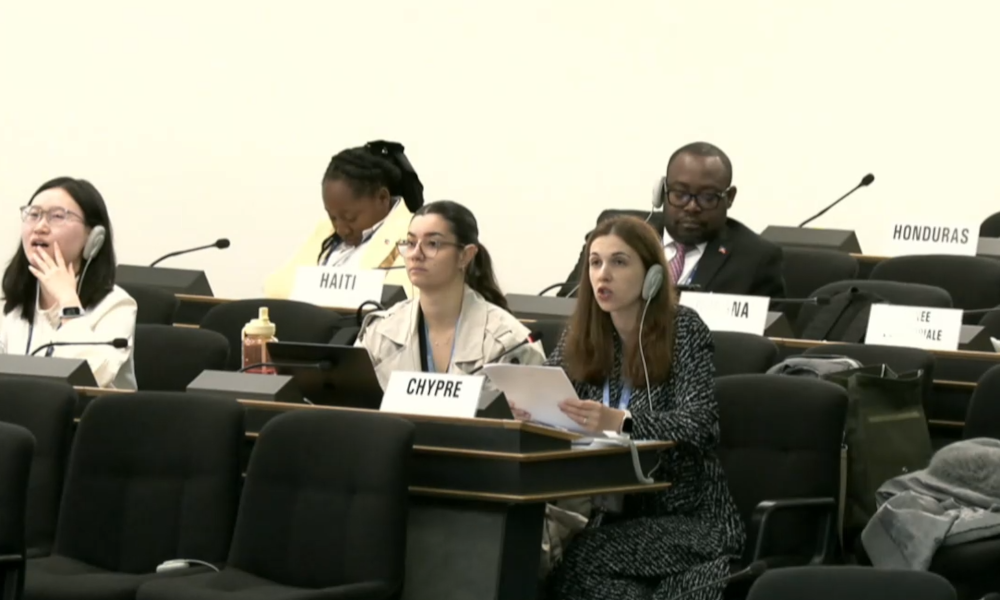
Addressing the persistent financial vulnerability, Bhutan, speaking for the South-East Asia Region, underscored the urgent need to broaden the WHO’s heavily concentrated base of “voluntary” donors who give far more than the required assessed contributions. These have generally included only the highest income economies but fewer of emerging upper-middle and middle-income countries that could well afford to contribute, as well, as they become more developed. Cyprus, speaking for the European Union, reaffirmed the absolute necessity of sustainable, flexible financing, and a clear way forward to address the remaining 15 percent programme budget funding gap.
Emphasising that a strong WHO is vital for responding to disease outbreaks and recurrent health emergencies, Zambia appealed to donors for “increased sustained, predictable and flexible financing.” Speaking on behalf of the African Region during Wednesday’s budget debate, the delegate argued that this flexibility is required to enable the organisation to efficiently allocate resources to core mandates like health system strengthening, primary healthcare, and universal health coverage.
To stabilise the organisation, delegates emphasised the critical role of mandatory assessed contributions, which in accordance with a milestone agreement in 2022, are being increased on a step-wise basis so that fixed contributions will comprise 50% of the overall base budget by the 2030-2031 cycle. However, collection rates remain stagnant at 70%, leaving over $184 million unpaid for 2025 alone. Member states that do not pay face suspension of WHA voting privileges – a sanction that nine member states currently remain under, while ten additional nations face the same penalty at next year’s Assembly if they fail to pay.
Looking ahead to long-term sustainability, the Secretariat confirmed that the next planned stage of increase in assessed contributions for the 2028-2029 biennium will be placed on the agenda of the WHO’s Regional Committees this autumn, ahead of a formal WHA decision in May 2027. However, timely solutions are of the essence; if member states fail to also inject flexible, voluntary funding in the interim, officials warn that frontline responses to concurrent humanitarian and viral crises would face immediate and fatal disruption.
See related story.
Image Credits: Felix Sassmannshausen/HPW.
Combat the infodemic in health information and support health policy reporting from the global South. Our growing network of journalists in Africa, Asia, Geneva and New York connect the dots between regional realities and the big global debates, with evidence-based, open access news and analysis. To make a personal or organisational contribution click here.
Content type,Emergency Response,Health Systems,Institutions,News,Pandemics & Emergencies,Uncategorized,World Health Assembly 79,World Health Organization,Budget Cuts,Emergency Funding,Global Health Emergencies,Healthcare Financing,Staff Burnout,WHO,World Health Assembly#Member #States #Warn #Acute #Operational #Risks #Severe #Budget #Cuts1779756525
