


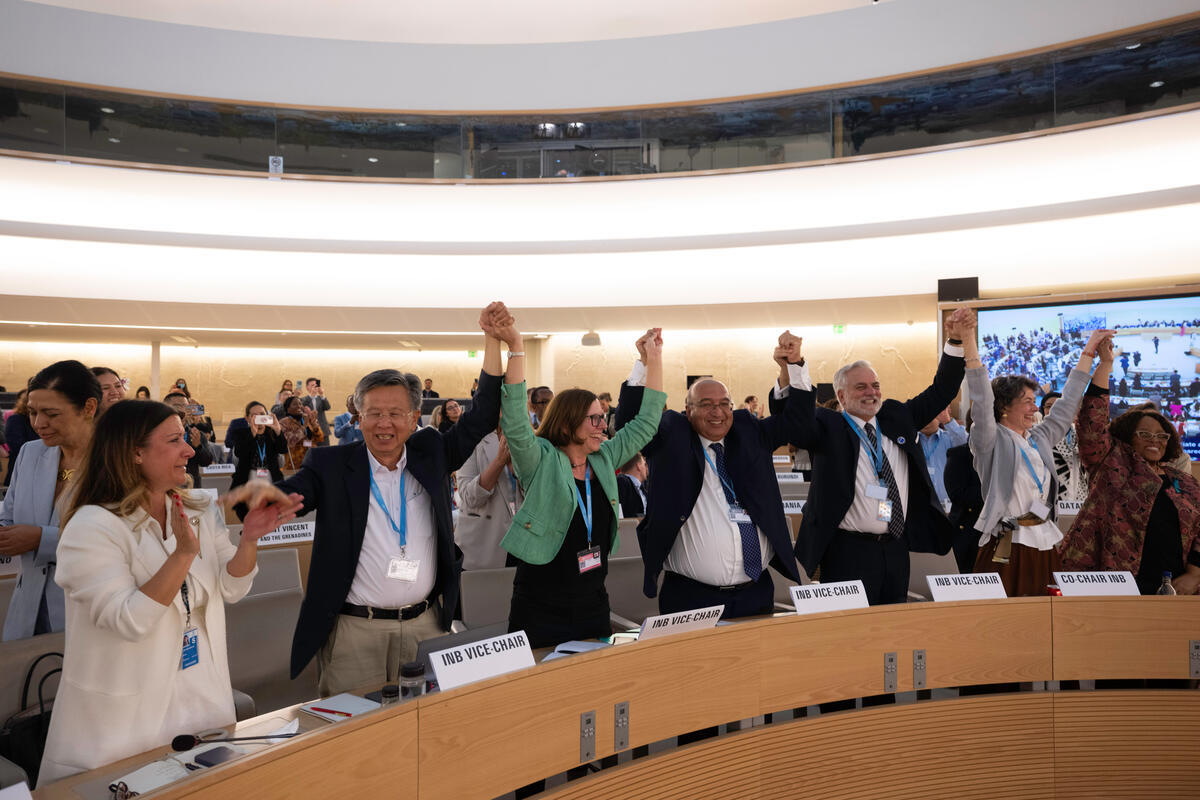
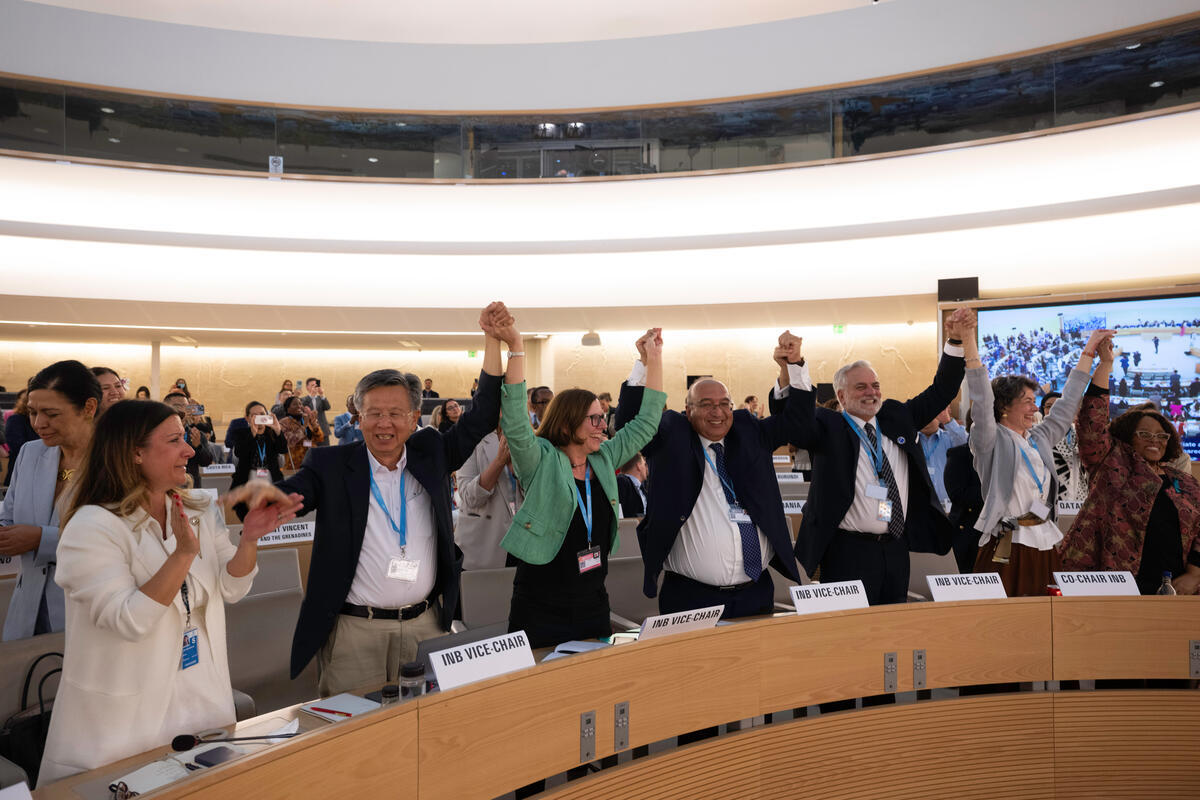
As the WHO Intergovernmental Working Group reconvenes in Geneva in the quest to nail down an accord on Pathogen Access and Benefit-Sharing (PABS), the former President of Botswana and the President of AIDS Healthcare Foundation argue that this critical annex to the 2025 Pandemic Agreement needs to ensure benefit-sharing commitments are just as mandatory and enforceable as commitments around rapid and transparent pathogen sharing.
During the COVID-19 pandemic, inequities were manifested not only through the hoarding of lifesaving technology by rich countries, but also through the unlawful isolation of countries that did the right thing.
In late 2021, scientists in Botswana first identified and reported a concerning new coronavirus variant, Omicron, which was subsequently identified in South Africa. The two countries had detected, sequenced, and shared the genomic sequence and pathogen samples, only to have their borders closed to the world within days through unfair travel bans that immediately deepened the damage to their economies.
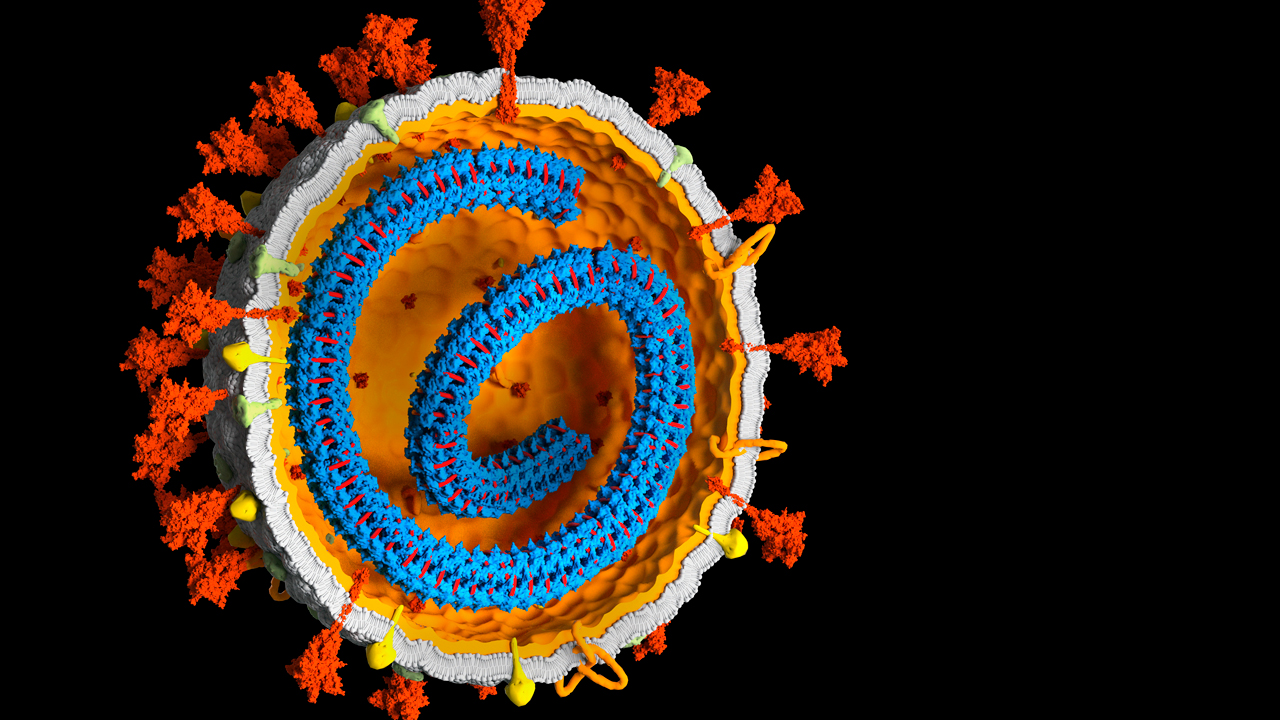
In December 2021, as the Omicron wave spread, governments convened the Second Special Session of the World Health Assembly (WHA), only the second such session in WHO’s history. They analyzed not only the state of the pandemic but how the 2005 International Health Regulations (IHR), which set a binding legal framework for preventing and responding to the international spread of disease across their 196 States Parties, were not working. The central outcome was a decision to open negotiations on a new global agreement to prevent, prepare for, and respond to pandemics—the Pandemic Agreement.
After more than three years of negotiations at WHO in Geneva, the Pandemic Agreement was adopted in May 2025. One critical piece was left unfinished: the annex operationalizing Article 12 on Pathogen Access and Benefit-Sharing (PABS). This article is meant to correct a critical failure that COVID-19 laid bare: pathogens and sequence data flowed quickly out of the countries that detected them, but the vaccines and treatments developed from the use of this information did not flow back on an equal footing, deepening a crisis that cost millions of lives and trillions of dollars.
The PABS System is one mechanism through which the Agreement gives concrete meaning to equity. It ties each country’s duty to detect and share pathogen samples and genomic sequence information to a corresponding duty on participating manufacturers who profit from that access to provide a share of the vaccines, therapeutics, and diagnostics (VTDs) they produce, along with licensing and financial contributions.
Mandatory to share, optional to give back
While initially guided by noble objectives to ensure universal and equitable access to build a more resilient and equitable global health architecture, leading developed countries have since taken positions that oppose the basic provisions needed to operationalize the Agreement’s core commitments. What is being resisted is not a technical detail. It is not about charity either.
While the duty to share pathogens is being written into the Agreement as mandatory and enforceable upon states, rich countries are pushing for the corresponding benefit-sharing obligations to be kept deliberately “soft” and unenforceable. The result is a structural asymmetry where samples must flow to private companies, but VTDs are not guaranteed to flow back. The text of Article 12 guarantees minimum shares to be donated and sold at cost to WHO in the event of a pandemic emergency, but no such obligations have been agreed upon when it comes to interpandemic periods or Public Health Emergencies of International Concern (PHEICs), where access to medical countermeasures is most critical to prevent the spread of deadly pathogens.
No one negotiates fairly in an emergency
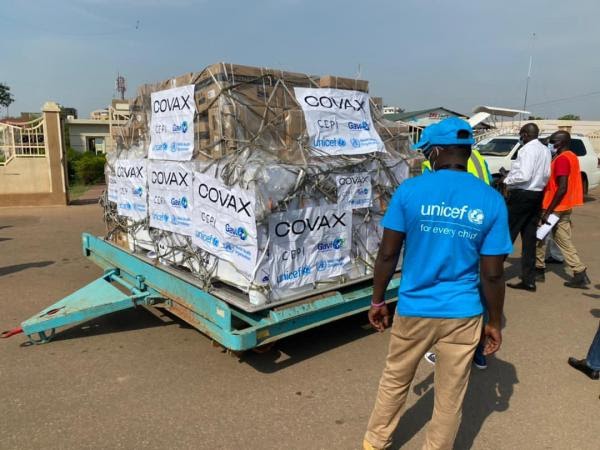
Benefit-sharing obligations for participating manufacturers and other commercial users who profit from the system must be made concrete and binding in the text of the Agreement. This must be agreed upon upfront and not deferred to subsequent bilateral talks between WHO and manufacturers, as rich countries have suggested.
Holding these negotiations once a crisis is underway is not only a tactical mistake but also inconsistent with the text of Article 12, which requires that access and benefit sharing be secured on an equal footing. This means that a percentage of VTDs must be guaranteed not only once a pandemic is declared, but set aside for stockpiling during interpandemic periods and for deployment once a PHEIC is declared—as has happened several times since the pandemic, in the case of mpox in 2024, for instance, and in May, for the Ebola Bundibugyo virus outbreak in the Democratic Republic of Congo.
It also means ensuring pre-negotiated licenses, the transfer of technology and know-how that let developing countries produce for themselves rather than wait for donations, and annual contributions from participating manufacturers and others who profit from the use of the PABS System.
HIV showed what waiting costs
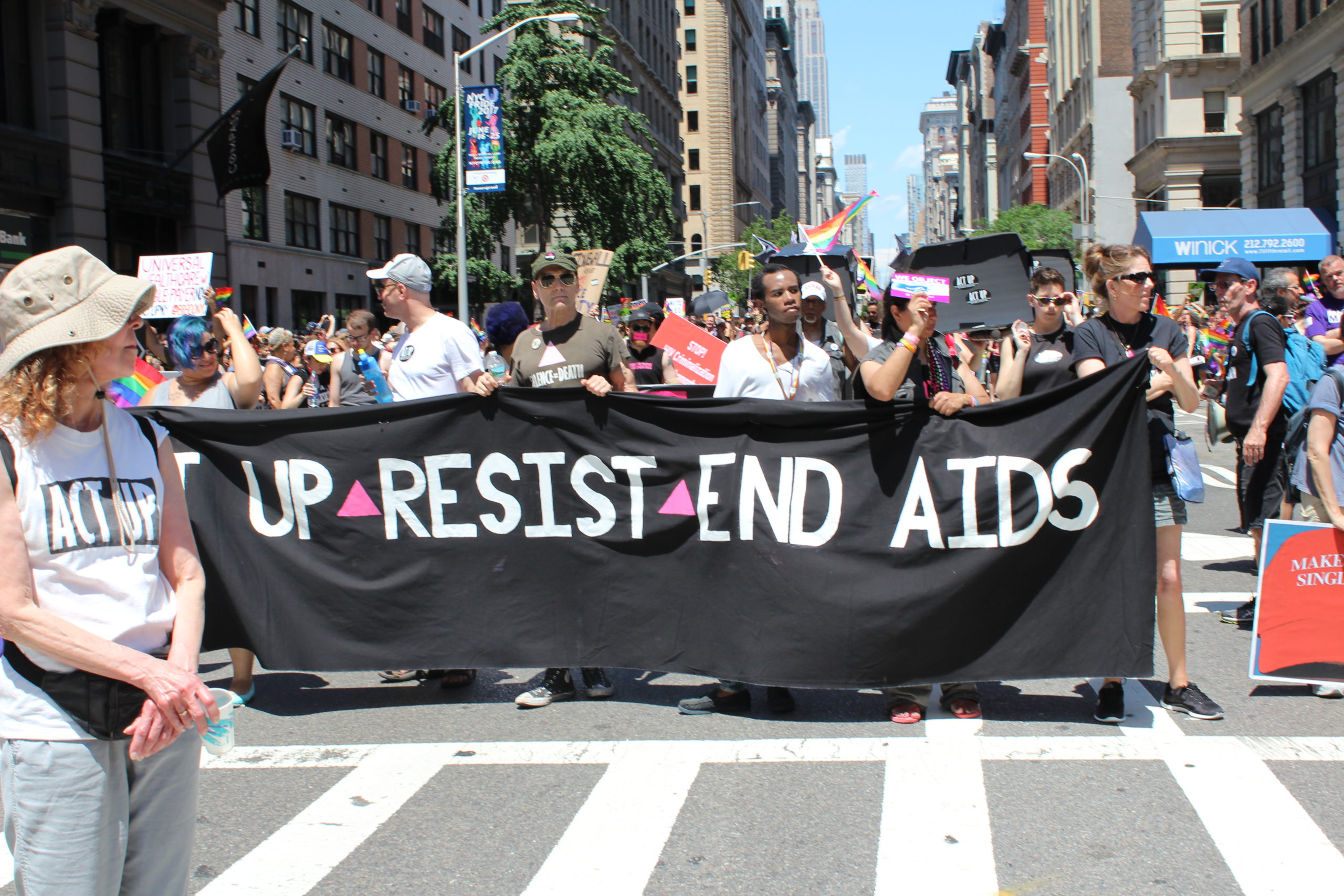
The debate over PABS echoes lessons learned from the global HIV/AIDS response. In the late 1990s and early 2000s, lifesaving antiretroviral medicines transformed HIV from a death sentence into a manageable chronic disease—but only for those who could afford them. While people in high-income countries gained access, millions in low- and middle-income countries continued to die as treatment remained out of reach.
It took years of grassroots advocacy, political leadership, voluntary licensing, generic competition, and unprecedented international cooperation to expand access and begin closing that gap. The world should not repeat the mistake of treating equitable access as an afterthought. If countries are expected to share the pathogens that make medical breakthroughs possible, then the benefits of those breakthroughs must also be shared in a timely, predictable, and equitable manner.
A public good cannot rest on unequal obligations
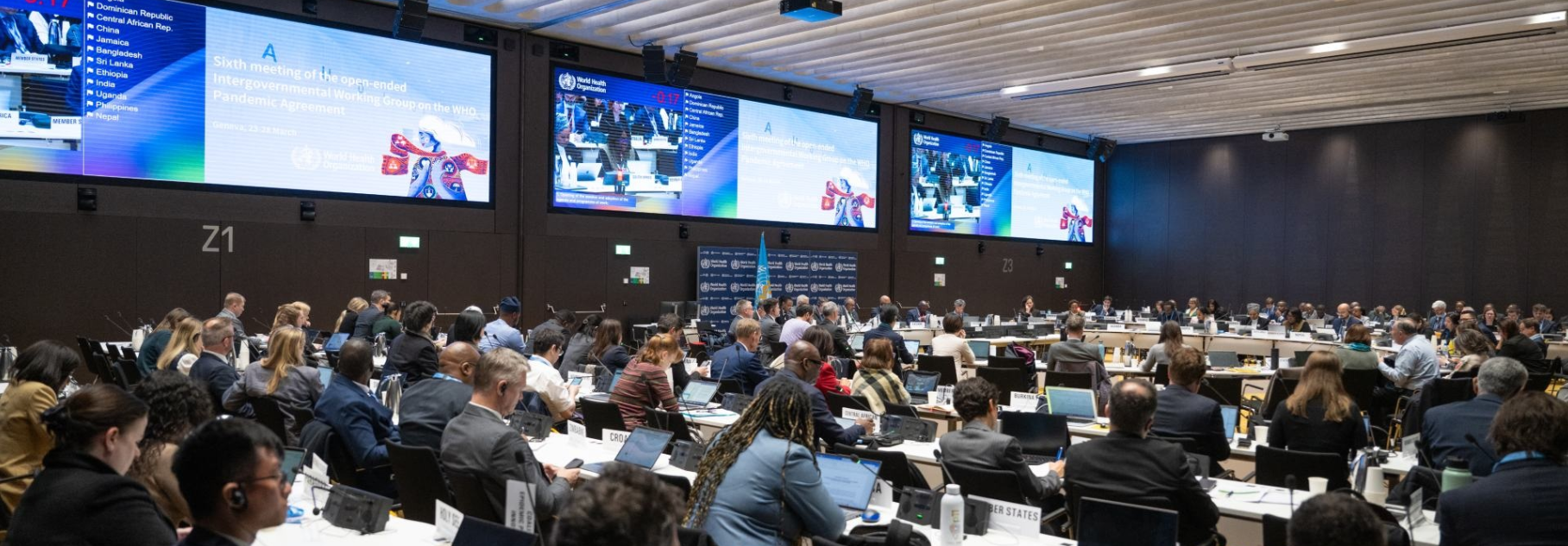
The Pandemic Agreement should therefore be understood not only as an instrument of global health security, but as a global public good. Its value depends on being available to all countries, because the benefits of early detection, rapid sharing of information, timely access to medical countermeasures, and stronger regional capacities cannot be confined within national borders. But a global public good cannot rest on unequal obligations. If all countries are expected to contribute to collective protection by sharing pathogens and data, then all countries must also be guaranteed fair, timely, and enforceable access to the benefits that such sharing makes possible.
No country can wall itself off from a pandemic. This is perhaps the last chance the world has to address the systemic inequality in the current global public health order for a long time. Giving in to pressure from corporate interests and profit motives at this point is beyond foolish. If we fail to enshrine equity as a fundamental principle of global public health, all countries will be forced to pay many times over. That is why an equitable Pandemic Agreement must be treated as a true global public good. The negotiations have been long, difficult, and contentious. Developing countries should not shy away from standing for what is right, while developed countries must find the wherewithal to do the right thing.
Mokgweetsi Masisi is the former President of Botswana (2018-2024) and a member of the Club de Madrid.

Michael Weinstein is the President of the AIDS Healthcare Foundation (AHF).
Image Credits: Delthia Ricks/Twitter, Gerald Barber, Virginia Tech (with permission of the National Science Foundation), UNICEF, Kerry Cullinan, WHO / Mark Nieuwenhof.
Combat the infodemic in health information and support health policy reporting from the global South. Our growing network of journalists in Africa, Asia, Geneva and New York connect the dots between regional realities and the big global debates, with evidence-based, open access news and analysis. To make a personal or organisational contribution click here.
AIDS Healthcare Foundation,Content type,COVID-19 Science,Disease Surveillance,Ebola,Emergency Response,Health Systems,Infectious Diseases,Inside View,International Health Regulations,News,Outbreaks,Pandemic Agreement,Pandemic Preparedness,Pandemics & Emergencies,SARS-CoV2 Origins,Uncategorized,Bundibugyo,Ebola Bundibugyo Virus,mpox,PABS,pandemic,pandemic agreement#Equitable #Pandemic #Agreement #Global #Public #Good1783612238
