


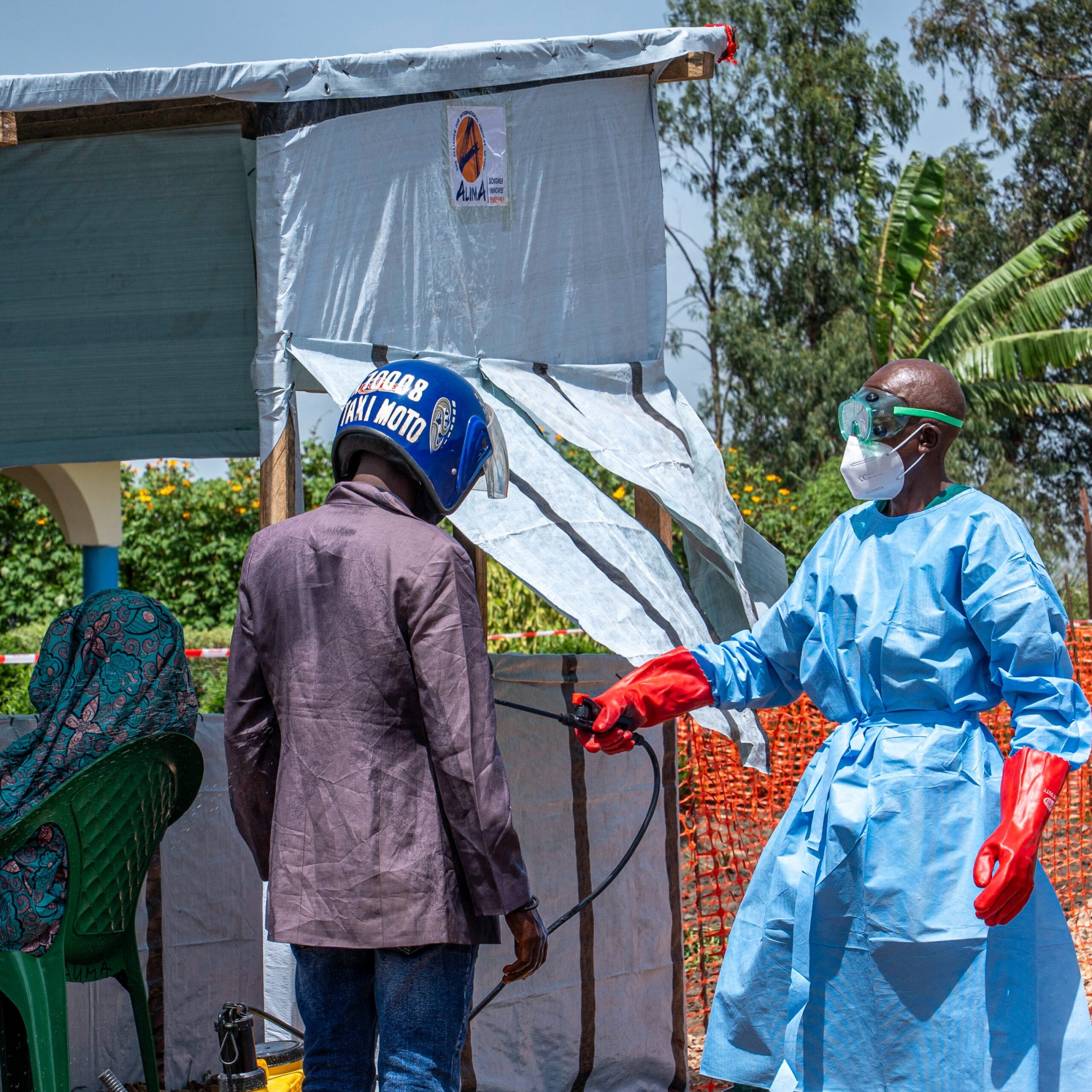
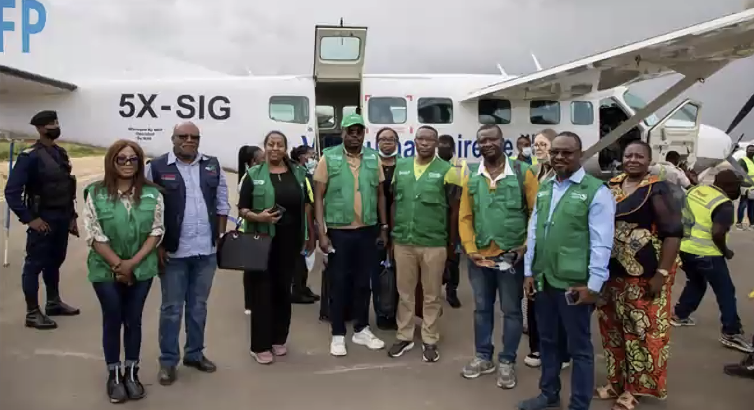
As the Bundibugyo Virus Disease (BVD) outbreak in the Democratic Republic of the Congo (DRC) and Uganda reached 608 confirmed cases and 102 deaths, global health leaders called for “an end to the cycle of panic and neglect” in response to disease outbreaks.
Describing the Ebola outbreak as a “preventable disaster”, the leaders have written an open letter to governments calling on them to “make decisions that will prevent and stop infectious disease outbreaks from killing people, draining economies and further fraying societal trust”.
The letter is headlined by the four bodies involved in critical oversight of global pandemics: The Independent Panel for Pandemic Preparedness and Response, Global Preparedness Monitoring Board, Panel for a Global Public Health Convention and the Global Council on Inequality, AIDS and Pandemics. It is also signed by key global health leaders.
Not ready for next pandemic
Despite 22 million people dying during the COVID-19 pandemic, the subsequent mpox, hantavirus and Ebola outbreaks have shown that the world is “not ready for a new pandemic threat”, the letter notes.
It points to the stalled Pandemic Agreement talks, the lack of new national outbreak and pandemic plans, and the world’s failure to “come close” to meeting the $15 billion per year needed for pandemic prevention and preparedness.
“There was a pledge to have diagnostics, vaccines and treatments ready within 100 days of a new threat being identified (100 Days Mission) – and while there has been progress, for Bundibugyo, that will not happen,” they note.
“At a time when humanity can sequence pathogens in hours, develop vaccines in months, and deploy artificial intelligence across entire economies, the world already has many of the tools it needs.
“The question is whether leaders will choose to invest in and use them. We can no longer accept this cycle of panic and neglect.”
UN High-Level Meeting on pandemics
The upcoming United Nations High-Level Meeting on Pandemic Preparedness in September has been set for the last Friday of the UN General Assembly week – “when many heads of state and government have already left New York, and those who remain have their minds on flights home”, the letter notes.
Nonetheless, it calls on world leaders to finalise and ratify the Pandemic Agreement “as rapidly as possible and implement it”. The next round of talks begins again on 6 July.
They also call for “fair, predictable, and accessible financing for sustained prevention and preparedness investment, including for the 100 Days Mission, and for rapid emergency deployment when threats emerge”.
Implementing a One Health approach and establishing an outbreak and pandemic risk and readiness monitoring framework are also urgently needed, they note.
Ebola: lack of resources, access and trust
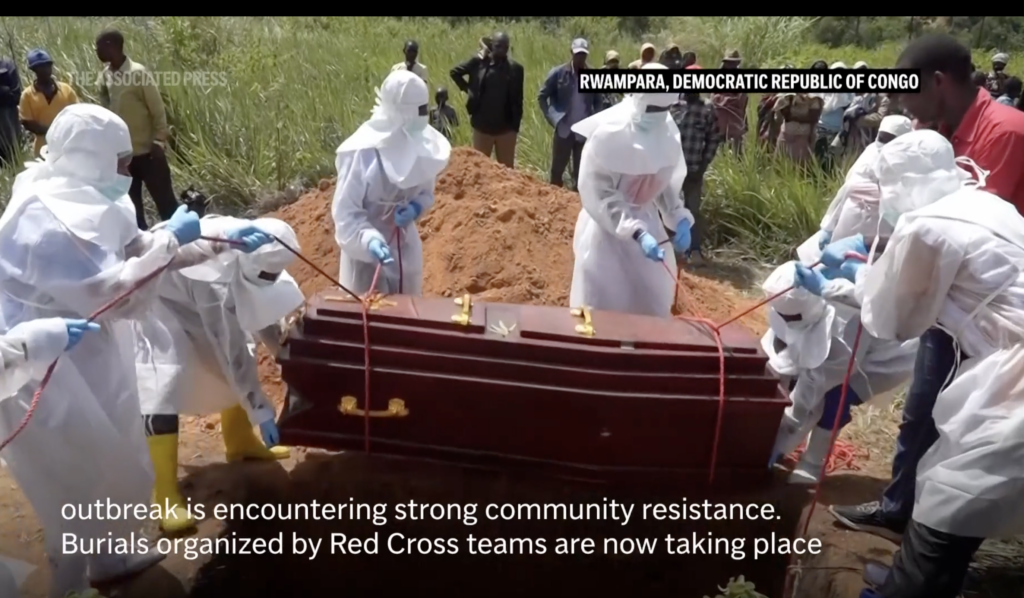
Meanwhile, the lack of resources, access and community trust is severely hampering attempts to end the Ebola outbreak in the DRC and Uganda, according to a media release by the Africa Centres for Disease Control and Prevention on Tuesday.
On Monday, 45 new cases had been confirmed, all in the DRC’s Ituri province. Uganda’s case load remains at 19, with all cases linked to the DRC outbreak.
“The epidemic curve shows intense transmission, with a peak in late May. Contact tracing is uneven, with follow-up rates ranging from 78% in Bunia to 0% in some health zones, weakening containment efforts,” said the Africa CDC.
“The response is facing significant operational constraints. Health facilities in several affected areas are in poor condition and often lack potable water, incinerators, personal protective equipment and decontamination supplies,” it notes.
“Poor roads, insecurity and shortages of ambulances and hearses are slowing access and response operations. Staffing pressures are also growing, with some health workers unpaid or without incentives.”
Describing community trust as a “critical challenge”, Africa CDC said that misinformation and a viral audio message following the death of a doctor have fuelled people’s “fear and distrust of treatment centres”.
Misinformation ranges from disbelief that Ebola exists to fears that people are being deliberately infected, according to Deutsche Welle.
“The immediate priorities are to strengthen community engagement and risk communication, fast-track multidisciplinary rapid response teams to high-risk areas, close infection prevention and safe burial gaps, improve surveillance and contact follow-up, and secure safe access for medical teams in insecure areas,” noted Africa CDC.
The European Union Commission (EU) announced on Monday that it has committed €11.5 million to support Africa CDC’s response to the Ebola outbreak.
This includes €6.5 million to strengthen the Africa Pathogen Genomics Initiative, to help equip frontline teams train healthcare workers and improve surveillance through diagnostics and in-kind contribution of €5 million worth of testing equipment, including rapid diagnostic devices and lab test kits, to be deployed quickly where they are needed most.
Image Credits: Africa CDC, AP.
Combat the infodemic in health information and support health policy reporting from the global South. Our growing network of journalists in Africa, Asia, Geneva and New York connect the dots between regional realities and the big global debates, with evidence-based, open access news and analysis. To make a personal or organisational contribution click here.
Africa,Content type,Ebola,Infectious Diseases,News,Pandemics & Emergencies,Regional Policy,Africa CDC,Bundibugyo,DRC,Independent Panel,Independent Panel for Pandemic Preparedness and Response.,Uganda,WHO#Ebola #Spreads #Global #Leaders #Decry #Panic #Neglect #Response #Outbreaks1781023812
