


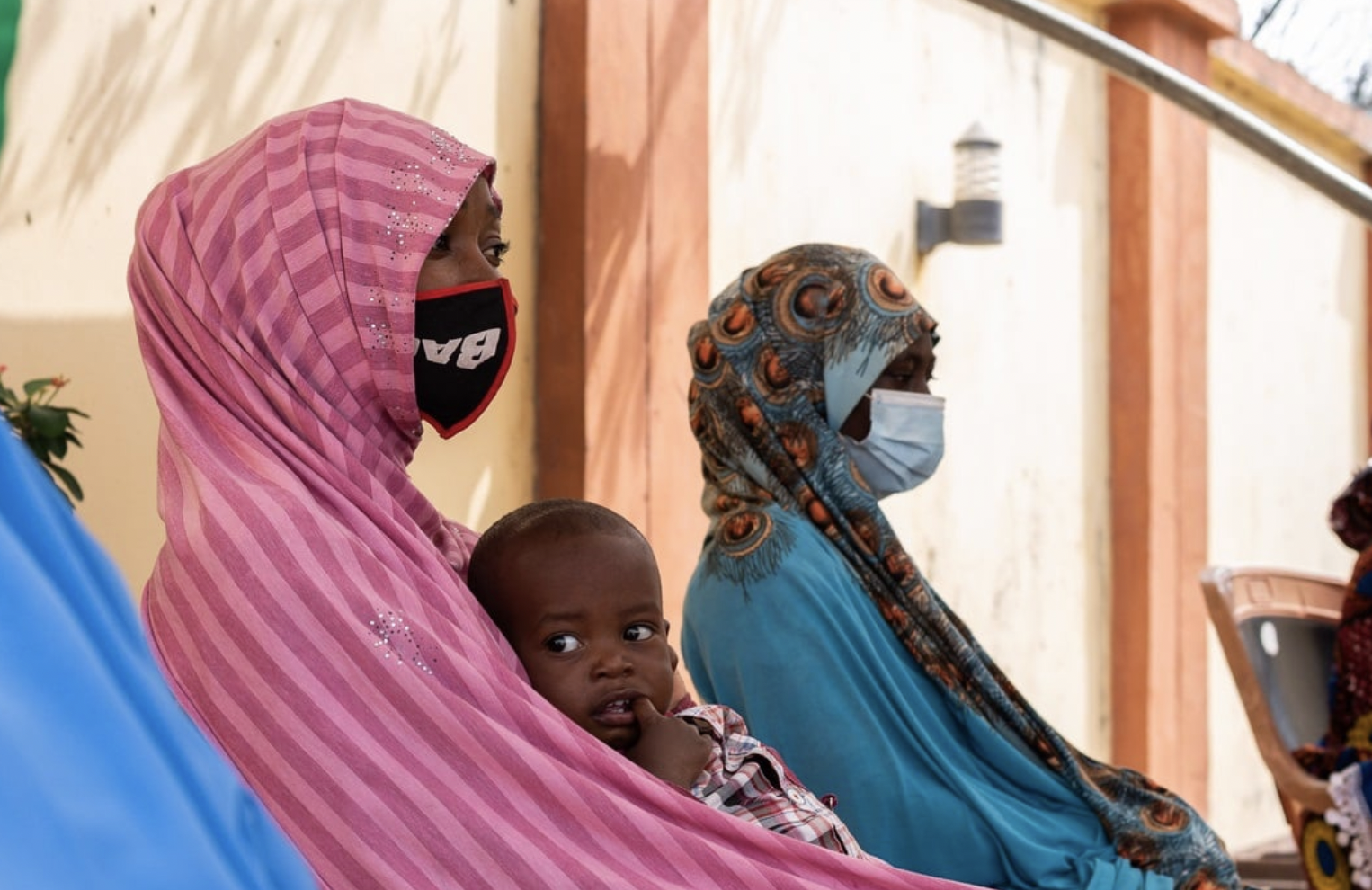
Africa can no longer afford to manage cancer care as a perpetual crisis. Instead, policy leaders must recognize this crisis for what it truly is: the ultimate ‘stress test’ for national health systems. The WHO Global Status Report on Cancer, published this week, highlights the persistent inequities in access to timely cancer diagnosis and treatment and disproportionately high levels of cancer mortality across the continent. When a system is overwhelmed, it reveals deep-seated fractures in how we finance health as a whole. But this is not just a fiscal failure; it is a human one.
Across Africa, late cancer diagnosis continues to place a devastating financial burden on families, many of whom delay seeking care because treatment remains unaffordable and out of reach. By then, care becomes more complex, survival is less likely, and the economic consequences extend far beyond the patient herself. Families are forced to make terrible choices between putting food on the table or seeking lifesaving health interventions. Children leave school. Health systems absorb escalating costs that could have been prevented through earlier intervention.
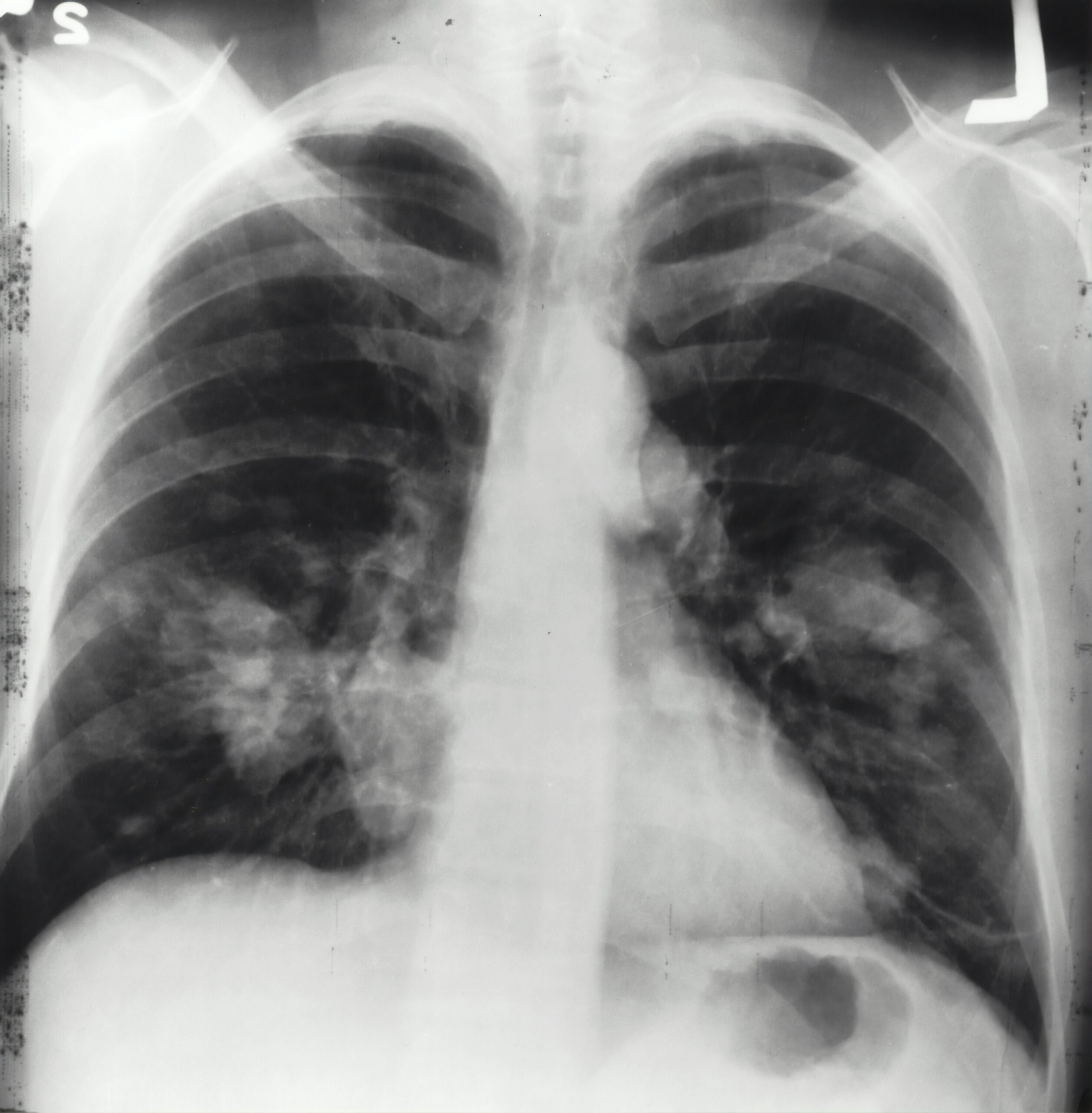
This individual suffering is the precursor to a looming regional emergency: by 2030, non-communicable diseases (NCDs), including cancer, are expected to become the leading cause of death in many African countries.
If our current fragmented and underfunded models cannot withstand the pressure today, they will certainly collapse under the weight of tomorrow’s demands. The debate now is not whether Africa can afford to invest in cancer care. It is whether the continent can afford not to.
The Hidden Cost of Inaction
The economic cost of inaction is already severe. Research by the WifOR Institute estimates that between 2017 and 2023, HER2-positive breast cancer alone resulted in more than US$10 billion in lost productivity across seven African countries. Nearly 90% of these losses affected women in their prime working years. When women are excluded from the workforce, households become more vulnerable, businesses lose productivity, and economies slow down.
At the same time, treating advanced cancer can cost up to ten times more than investing in early screening and prevention. Continuing to finance cancer care primarily at the point of crisis is therefore not only inequitable but also economically unsustainable.
This urgency shaped discussions at the recent World Health Summit Regional Meeting in Nairobi, where policymakers, clinicians, patient advocates, and health financing experts converged around a common conclusion: Africa must move from crisis spending to long-term, strategic investment in cancer care.
Innovation in Action: African-Led Solutions
Africa is already demonstrating real-world solutions.
Côte d’Ivoire has demonstrated one of the boldest financing innovations on the continent by converting national debt into a €400 million “health dividend.” By restructuring expensive commercial debt into long-term concessional financing backed by a World Bank guarantee, the government unlocked savings that were ring-fenced for health and education investments. The approach has already helped expand oncology capacity and improve outcomes, including reductions in breast cancer mortality.
The significance of this model goes beyond debt restructuring. It reframes health financing as a sovereign economic strategy rather than a social expenditure.
Kenya is taking a different but equally important path. Through the Social Health Authority reforms, cancer care is increasingly being integrated into national financing systems as an essential service rather than an afterthought. Strategic purchasing mechanisms are beginning to align financing with population health needs while protecting households from catastrophic out-of-pocket spending.
In Ghana, policymakers recognized that high-cost chronic diseases cannot sustainably depend on general insurance pools alone. Dedicated financing mechanisms for cancer and other NCDs are now helping strengthen sustainable financing while maintaining strong investments in prevention and early screening.
Nigeria, meanwhile, is demonstrating how blended finance and patient capital can expand treatment access. Investments through the Sovereign Investment Authority are supporting world-class treatment infrastructure while lowering long-term costs through technology and scale.
These models differ in structure, but they share the same objective of making cancer care more accessible, affordable, and sustainable.
Beyond the Hospital Walls: Integrating Care
However, financing reform alone is not enough.
Cancer care cannot succeed if it remains disconnected from broader primary healthcare systems. Countries that integrate screening, referral systems, diagnostics, and long-term follow-up into primary healthcare are not only improving outcomes but are also building more efficient systems overall.
This is particularly important in Africa, where many women first interact with the health system through maternal and reproductive healthcare services. Integrating cancer screening into these existing platforms creates opportunities for earlier detection while reducing duplication and costs.
But even the best financing models will fail if access remains unequal. As participants repeatedly emphasized during discussions in Nairobi, innovation without access is exclusion. Too many patients still travel long distances for care. Too many are diagnosed late because services are centralized in urban areas. Too many families continue to shoulder hidden costs beyond treatment itself, such as transport, accommodation, lost wages, and caregiving responsibilities.
This is why cancer financing must ultimately be judged not by the size of budgets announced, but by whether it changes the patient’s experience. Does it reduce the financial burden on families? Does it improve survival? Does it bring care closer to communities? If the answer is no, then the system is still failing the people it is meant to serve.
The Prevention Dividend
Africa does not lack solutions. It lacks financing systems designed to scale and sustain them.
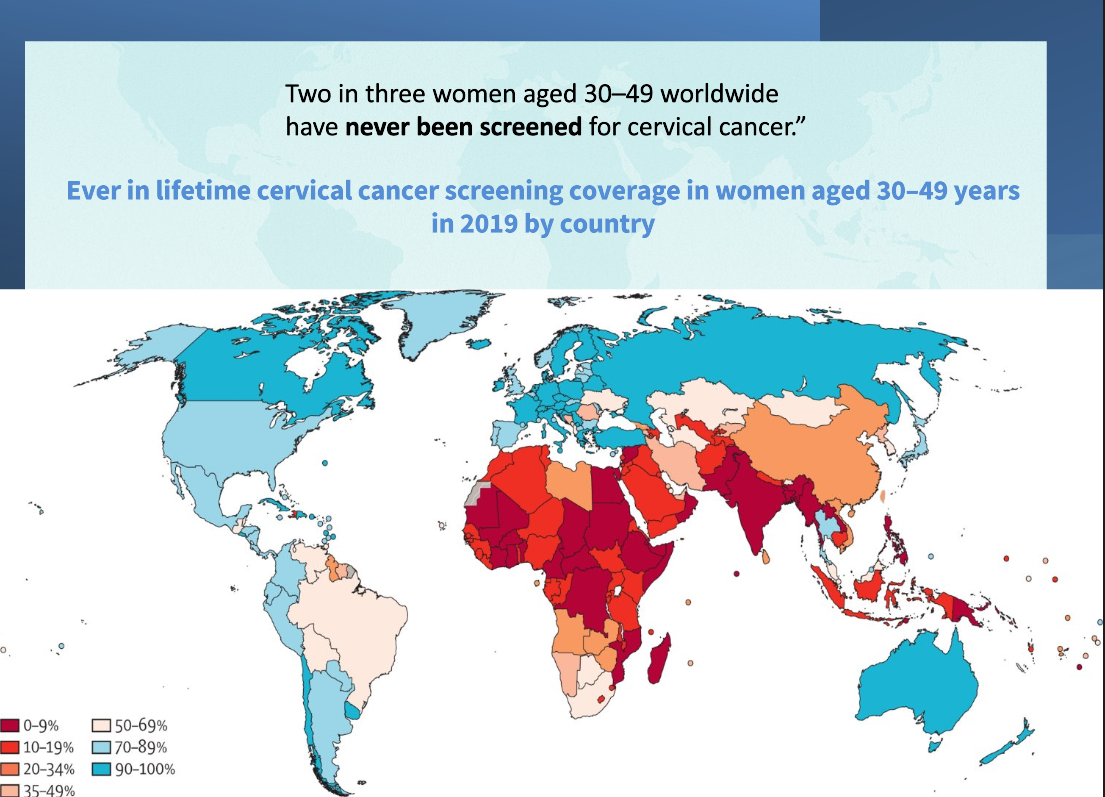
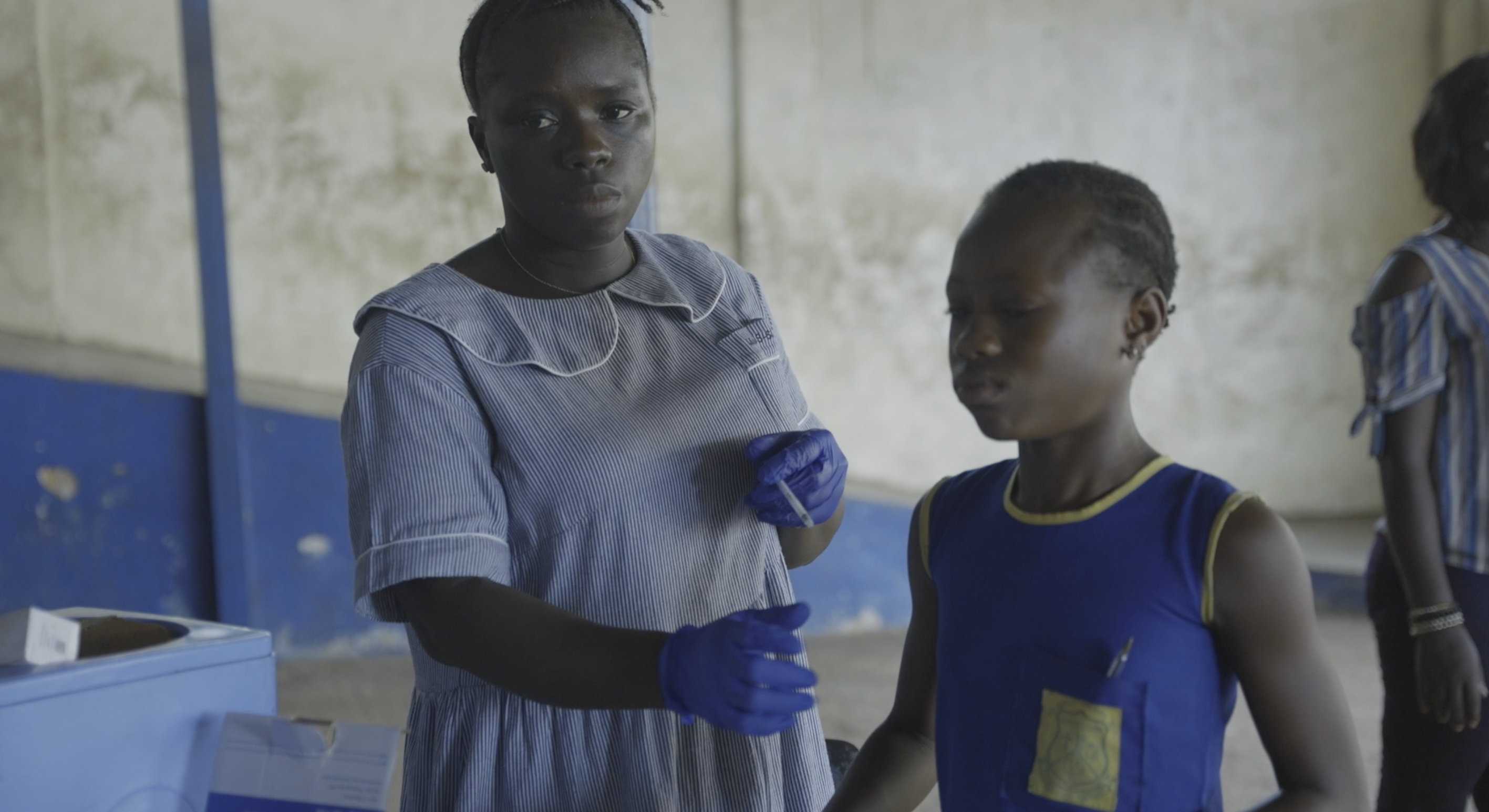
The shift toward prevention-first systems is not simply good public health policy. It is smart economics. Expanding HPV vaccination, integrating cervical cancer screening into primary healthcare, and strengthening community-based early detection can dramatically reduce long-term treatment costs while saving lives. Prevention remains one of the most underfinanced yet highest-return investments in Africa’s health systems.
Prevention must also extend beyond healthcare services alone. Policies that address the commercial determinants of health, including unhealthy diets, tobacco, alcohol, and harmful trans-fats, are equally critical to reducing the long-term burden of non-communicable diseases and protecting future generations.
To protect these future generations, the time for fragmented programs has passed. Governments, financiers, development partners, civil society and the private sector must now move with far greater urgency to expand domestic financing, scale blended investment models, and build cancer financing systems grounded in African realities rather than disconnected programs. Every delayed reform means more preventable deaths, more families pushed into poverty, and greater economic losses for countries already under pressure. Ultimately, Africa’s future will depend not only on how we treat cancer, but on how urgently we choose to prevent and finance it differently. Shifting from crisis spending to strategic investment is the only path toward a resilient and prosperous continent.
Dr Rispah Walumbe, is the Head of Strategy, Institutional Performance and Policy at Amref Health Africa.
Dr. Paul Chilwesa is the Head- Policy, Population Health & Health Systems Strengthening, at Roche Africa
Image Credits: Etinosa Yvonne/WHO, N. Broutet/WHO, Gavi, National Cancer Institute/Unsplash, FAO/State of Food Security and Nutrition (2025) .
Combat the infodemic in health information and support health policy reporting from the global South. Our growing network of journalists in Africa, Asia, Geneva and New York connect the dots between regional realities and the big global debates, with evidence-based, open access news and analysis. To make a personal or organisational contribution click here.
Africa,Africa CDC,African Medicines Agency,African Union,Cancer,Content type,Inside View,Institutions,Non-Communicable Diseases,Regional Policy,Uncategorized,cervical cancer,screening#Crisis #Capital #Cancer #Care #Africas #Great #Economic #Investment1783692822
