


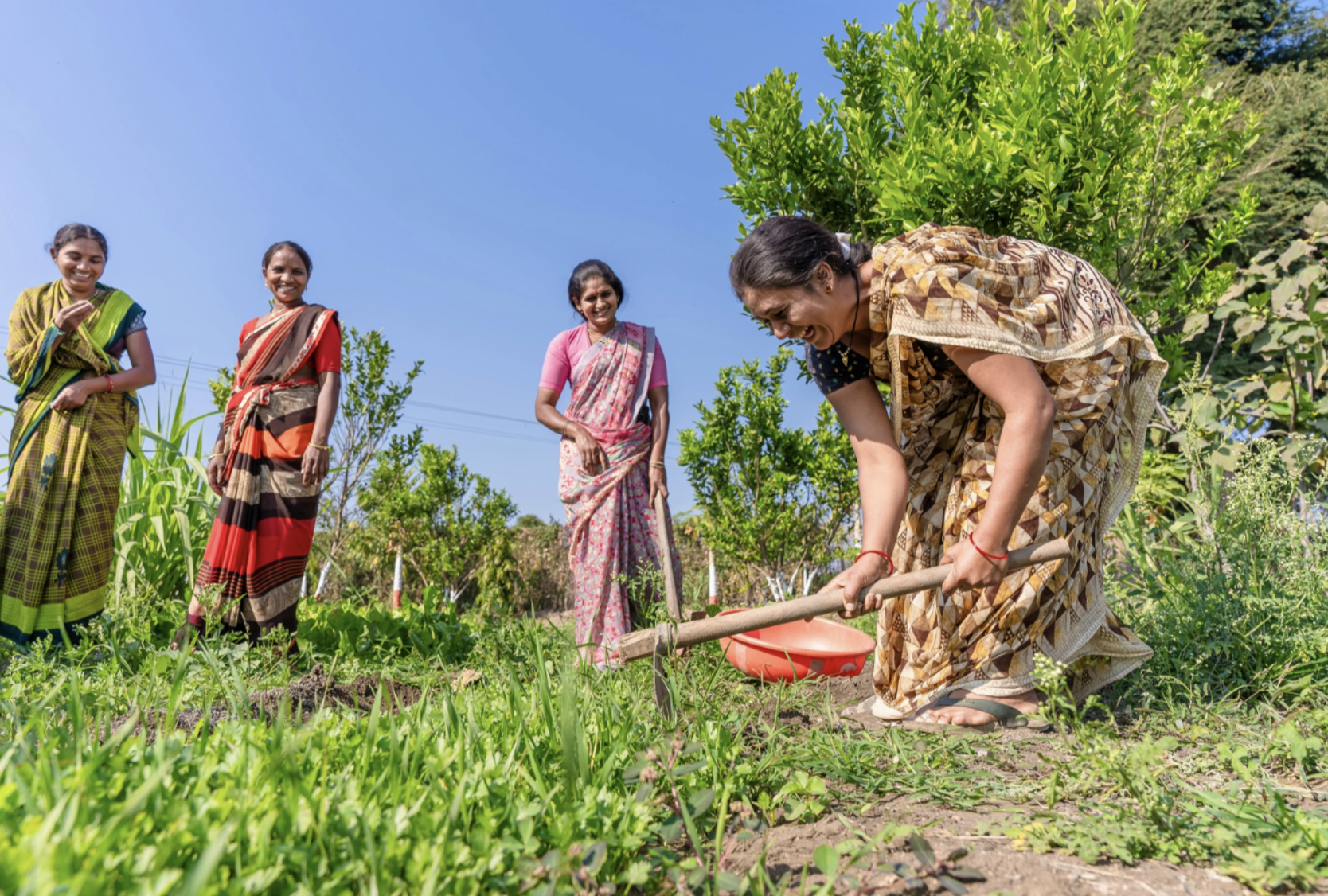
In 1994, Manvati Nag, an indigenous woman from Bijapur district in the central Indian state of Chhattisgarh, married and moved to Halbaras village in the forested Dantewada region about 80 kilometres away. Although the move was relatively short, it dramatically altered her health.
Before moving, Nag never got sick. But after her move, she started to get malaria “once every year or two”, she told Dialogue Earth. And since 2022, she has contracted malaria “almost every three months, whether it is summer, monsoon or winter”.
Nag’s experience reflects a larger shift unfolding across India’s hilly and forested regions, where climate change is altering the geography of disease.
The shift comes amid rapidly changing climatic conditions across the country. According to several climate assessments, 2024 was one of India’s most extreme weather years in decades, marked by record-breaking heatwaves, floods, storms and prolonged periods of unusual heat.
Extreme weather events killed more than 3,200 people, damaged crops across millions of hectares and destroyed thousands of homes.
The following year, 2025, witnessed similar patterns, with floods affecting several parts of the country, followed by prolonged heatwaves and worsening air pollution.
This year, a powerful storm in India’s Uttar Pradesh state killed 117 people. More broadly, climate disasters and extreme weather events have disrupted the lives of millions across the country.
Heat exposure alone caused India to lose an estimated 160 billion labour hours in 2021, equivalent to around 5.4% of the country’s GDP. Studies have also estimated that India could lose nearly 2% of its GDP annually due to health losses linked to air pollution.
But beyond the visible economic and environmental damage, scientists and public health experts warn that something deeper is unfolding: climate change is steadily reshaping disease patterns across the country.
Rising temperatures in Kashmir and Himachal
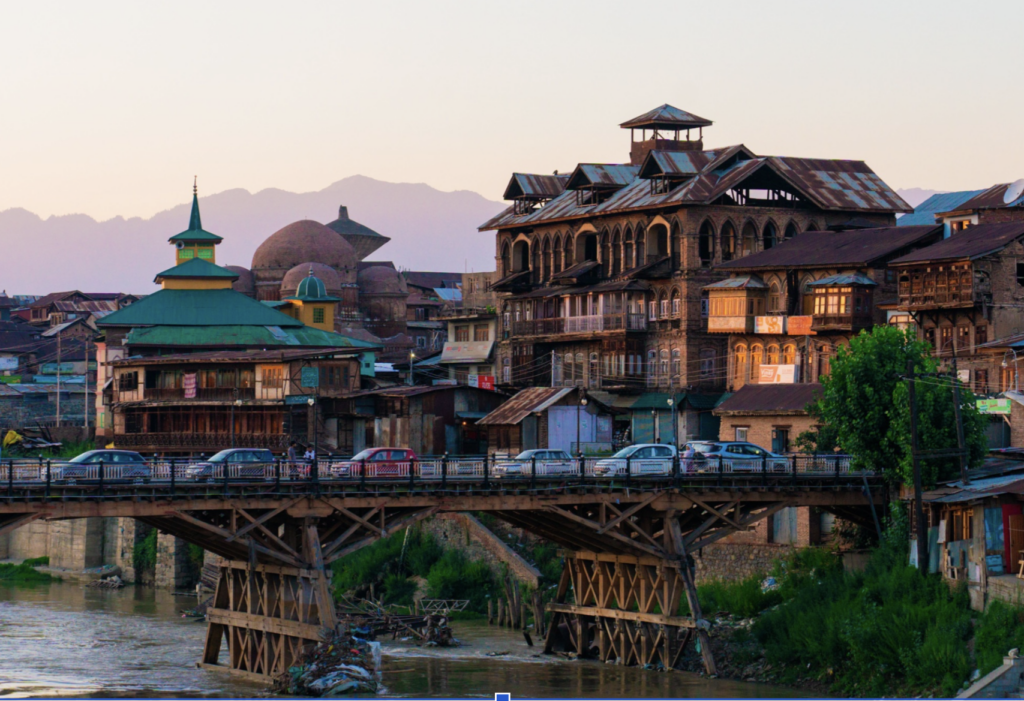
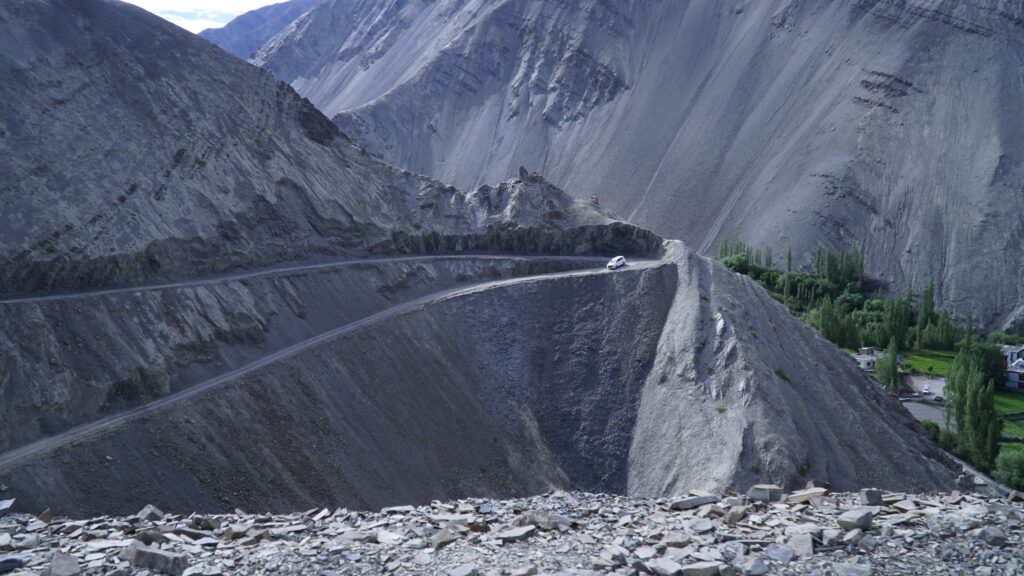
Indian-administered Kashmir, located in northern India, is a valley surrounded by mountains and long known for its alpine landscapes, world-class skiing, cold winters and clean waterways.
The region, part of the larger Jammu and Kashmir territory, historically experienced mild summers, with temperatures usually remaining between 25°C and 27°C. Winters regularly dipped below freezing, often bringing heavy snowfall across the valley and surrounding mountains.
Much of the region’s climate has traditionally been shaped by its geography. Southern and southwestern parts of Jammu and Kashmir experience a subtropical climate with hot summers and cool winters, receiving most of their rainfall during the monsoon season.
In the Kashmir Valley and higher-altitude mountain regions, however, the influence of the monsoon has historically been weaker, with much of the precipitation arriving during spring and winter months.
But in recent years, these long-established weather patterns have begun to change rapidly, residents and climate scientists say.
Intense heat
Aneeqa Wani, 21, a resident of Srinagar in Kashmir, told Health Policy Watch that she was shocked by the intense heat recently, struggling to sleep for several days.
“For the first time, I had to switch on both the air conditioner and the fan just to sleep,” she said. “It is getting hotter day by day. Even this winter did not feel very long. We saw snowfall mostly in late February and March, but the rest of the season felt relatively dry.”
Wani said the changes feel especially noticeable compared with previous years.
“I still remember around 2017 or 2018, winters and snowfall would usually begin around November and continue till April,” she said.
Recent weather data reflects those changes. Earlier this year, Kashmir recorded unusually high winter temperatures, with February temperatures rising nearly 10°C above normal and touching 21°C in some areas.
During a session of the Jammu and Kashmir Legislative Assembly in February, the government disclosed that the region had recorded a nearly 50% deficit in winter precipitation for the second consecutive year.
The warming trend has become increasingly visible in recent summers as well. In 2024, Kashmir recorded temperatures hotter than several major Indian cities, including Delhi and Kolkata. Srinagar recorded a maximum temperature of 35.7°C — six degrees above normal and the city’s highest July temperature in nearly 25 years, according to local meteorological officials.
Similar climatic shifts are also being observed in neighbouring Himachal Pradesh. In 2024 alone, the state experienced 28 heatwave days between April and June. During the same three-month period, Himachal Pradesh recorded nearly 2,700 forest fires, the highest number since 2007, according to reporting by Down To Earth.
Climate change and disease
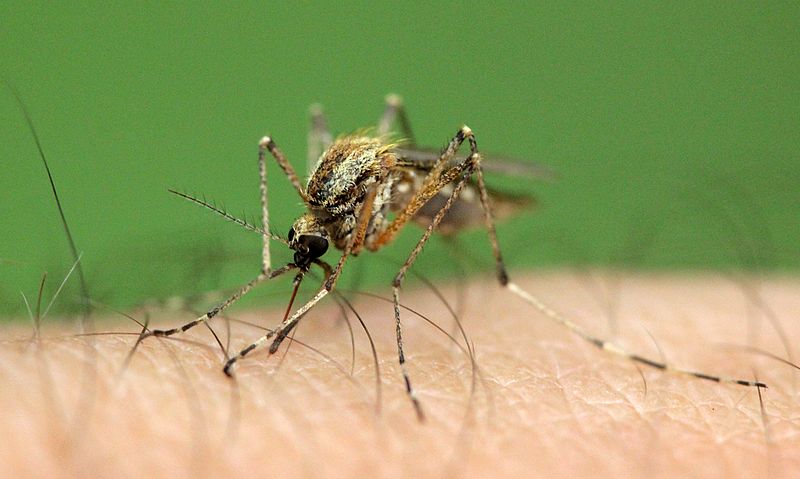
Vector-borne diseases were historically concentrated largely in India’s warmer tropical and subtropical regions, particularly across the plains and densely populated urban centres such as Delhi and parts of central India. But that pattern is now beginning to change.
Although India has made significant progress in reducing overall malaria transmission and deaths, the disease has still claimed more than 10,000 lives across the country over the last two decades, highlighting the continuing public health burden posed by climate-sensitive diseases.
The impact is not only measured in deaths and illness, but also in economic losses. Aedes-borne mosquito diseases alone are estimated to cause an average annual global economic burden of nearly $1.2 billion through healthcare costs, lost productivity and wider social disruption.
Public health experts say the diseases are once again drawing attention in India because their geographic spread is changing rapidly, particularly across mountainous and high-altitude regions that historically recorded far fewer cases.
According to India’s National Center for Vector-Borne Disease Control, Jammu and Kashmir recorded 3,381 dengue cases in 2025 nearly double the 1,709 cases reported in 2021.
Cases of chikungunya have also risen sharply across several hill states in recent years. Jammu and Kashmir reported 773 suspected chikungunya cases in 2025, up from just seven in 2021. Himachal Pradesh, which recorded no cases in 2021, reported more than 200 cases in 2025, while Meghalaya and Uttarakhand also registered significant increases.
Pallavi Joshi, area convenor for environment and public health at the Institute for Global Environmental Strategies, said a major factor behind the changing outbreak patterns is the shrinking gap between daytime and nighttime temperatures.
“Earlier, there was a significant difference between day and night temperatures, but that gap is shrinking,” Joshi told Health Policy Watch. “Temperatures now remain relatively stable over the 24-hour cycle, creating more favourable conditions for disease vectors to survive and spread, especially in hilly areas.”
Raghu Murtugudde, an environmental scientist, visiting professor at the Indian Institute of Technology (IIT) Bombay and emeritus professor at the University of Maryland, said warming temperatures are rapidly reshaping disease ecology across mountain regions.
“In hilly areas, diseases like malaria and chikungunya were historically uncommon because frost during winters would naturally limit transmission cycles,” Murtugudde told Health Policy Watch.
“But winters are becoming warmer, humidity levels are rising, and vegetation patterns are changing. These conditions are allowing diseases to persist and spread in regions where they were previously uncommon.”
Gaps in surveillance and climate preparedness
Urvashi Prasad, former director at the Indian government think tank NITI Aayog, said climate change is disrupting the traditional seasonal patterns of vector-borne diseases in India.
“Earlier, outbreaks were largely associated with the rainy season, but that replication cycle has now extended beyond it,” Prasad told Health Policy Watch. “We are now seeing rainfall at unusual times, rising temperatures across seasons and longer periods of heat, all of which are affecting the geography, timing and duration of outbreaks.”
Prasad said one of the biggest challenges is that climate data remains poorly integrated into India’s disease surveillance systems.
“When outbreaks occur in hilly or remote regions, they are often detected too late,” she said. “By the time cases are officially reported, and response mechanisms begin, the outbreak has already spread further and lasted longer.”
She added that much of India’s current disease tracking remains reactive rather than predictive.
“Most interventions begin only after outbreaks occur,” she said. “Climate intelligence is still not being properly used to anticipate disease hotspots or forecast outbreaks before they escalate.”
According to Prasad, India urgently needs stronger integration between climate and public health data systems, including the use of satellite rainfall data, temperature trends and environmental indicators to identify emerging risks in advance.
“We usually realise the scale of a serious outbreak only after it appears in the news and then authorities react,” she said. “It should not happen like this. We need early warning systems that can predict hotspots before outbreaks spread.”
She also stressed the need for stronger coordination between climate agencies, health departments and disaster-management authorities, arguing that institutional fragmentation remains a major obstacle.
“There is very little real coordination between departments in practice,” she said. “You can pick almost any issue in India and find the same problem — coordination exists mostly on paper.”
Prasad noted that even institutions created to facilitate inter-ministerial coordination often struggle to enforce cooperation.
“NITI Aayog itself was created partly to improve coordination across sectors, but even ministries sometimes resist working together,” she said. “We need a stronger institutional anchor that can coordinate, monitor and ensure departments actually work together on climate and health risks.”
Air pollution crisis
While climate-linked disease risks are rising, Kashmir is also facing another growing public health challenge: worsening air pollution.
“In recent years, especially after COVID-19, Kashmir has been struggling to breathe the fresh air we once used to,” said Arshid Khan, 32, a resident of Ikhrajpora in Srinagar.
Khan told Health Policy Watch that after 2020, tourism surged in Kashmir as COVID-19 restrictions eased across the country. While the tourism boom brought economic opportunities, it also triggered an explosion in the number of vehicles on Kashmir’s roads.
“Tourism was good for the economy, but most people here are unemployed and trying to survive,” he said. “People felt there were only two ways to earn from tourism — either open a hotel, which not everyone can afford, or buy a cab.”
According to Khan, thousands of families invested heavily in tourist taxis after the pandemic, leading to a sharp rise in vehicle registrations across the valley.
“People were so desperate that for cars costing seven or eight lakh rupees, buyers would even pay companies an extra one lakh just to get delivery faster,” he said. “Now it feels like Kashmir is slowly becoming like Delhi.”
The growing traffic burden has coincided with worsening air quality in Srinagar. Earlier this year, Bhaskar English reported that air pollution levels in Srinagar had reached their worst levels in seven years. The city’s average PM2.5 concentration was reported at 115 micrograms per cubic metre — far above the limits recommended by the World Health Organization (WHO).
Health experts warn that long-term exposure to pollution at those levels carries serious health risks, including respiratory and cardiovascular diseases. According to recent air-quality assessments, 2026 has so far been Srinagar’s most polluted year since 2019, with an average Air Quality Index (AQI) of 159.
Director of Sher-i-Kashmir Institute of Medical Sciences (SKIMS), Dr Parvaiz Koul said in a recent interview with Mongabay that around 10,000 people die in Jammu and Kashmir every year due to diseases attributable to air pollution
For many residents, the crisis reflects a broader transformation unfolding across the Himalayan region — where climate change, rapid urbanisation, rising pollution and shifting disease patterns are beginning to converge into a growing public health emergency.
Image Credits: EqualStock IN/Pexels, Syed Qaarif Andrabi , Commons Wikimedia, Rutpratheep Nilpechr/ Unsplash.
Combat the infodemic in health information and support health policy reporting from the global South. Our growing network of journalists in Africa, Asia, Geneva and New York connect the dots between regional realities and the big global debates, with evidence-based, open access news and analysis. To make a personal or organisational contribution click here.
Air Pollution,Climate and Health,Content type,Health & Environment,Health, Climate & SDGs,News,Regional Policy,South-East Asia,Uncategorized,Air pollution,climate change,heat,India,Jammu and Kashmir,Kashmir,malaria#Indias #Mountains #Climate #Change #Rewriting #Map #Disease1782965695
