


A landmark UNICEF report that maps children’s exposure to overlapping climate threats finds that almost half the world’s children – 1.1 billion kids – now contend with at least three threats at once.
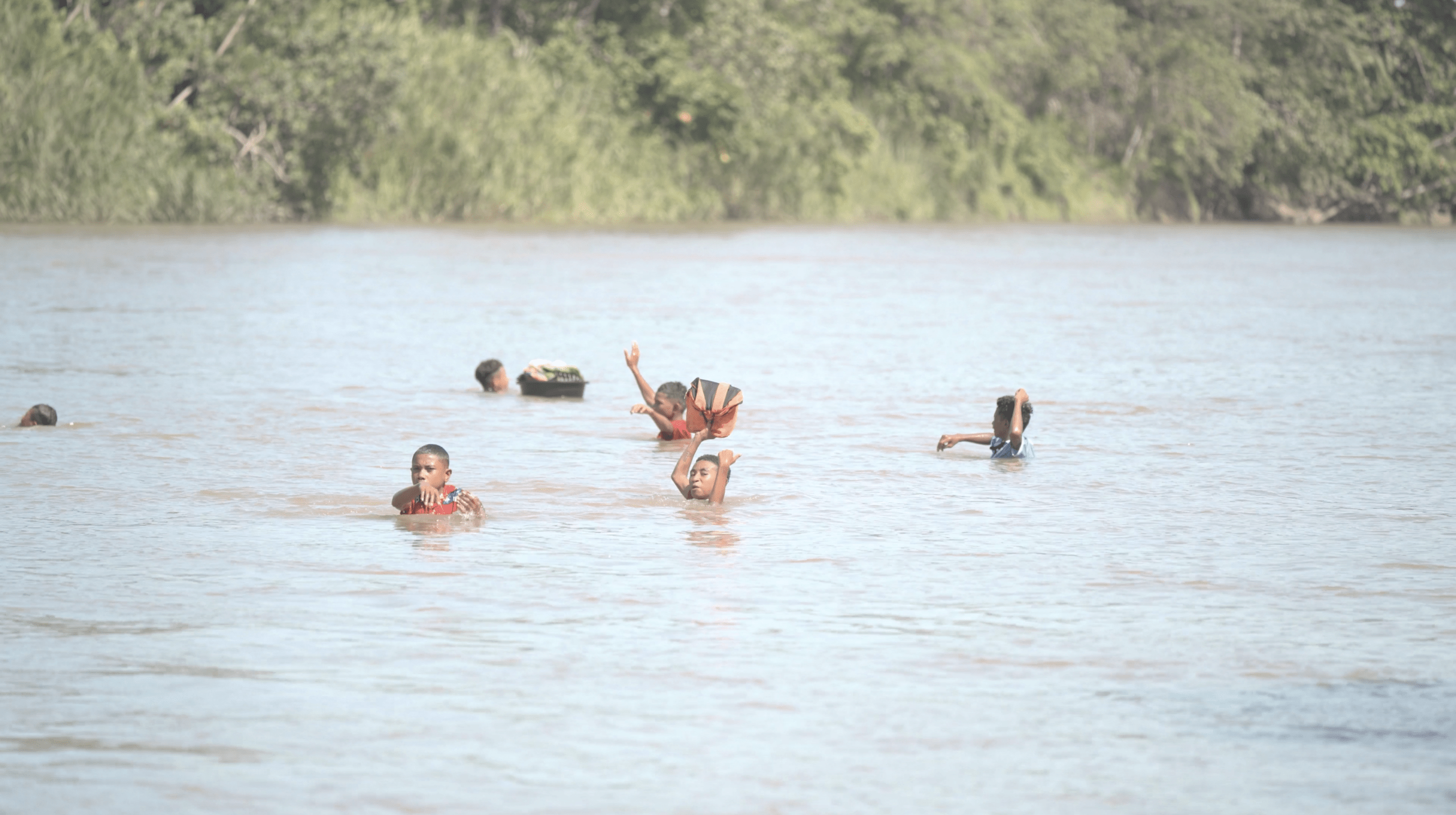
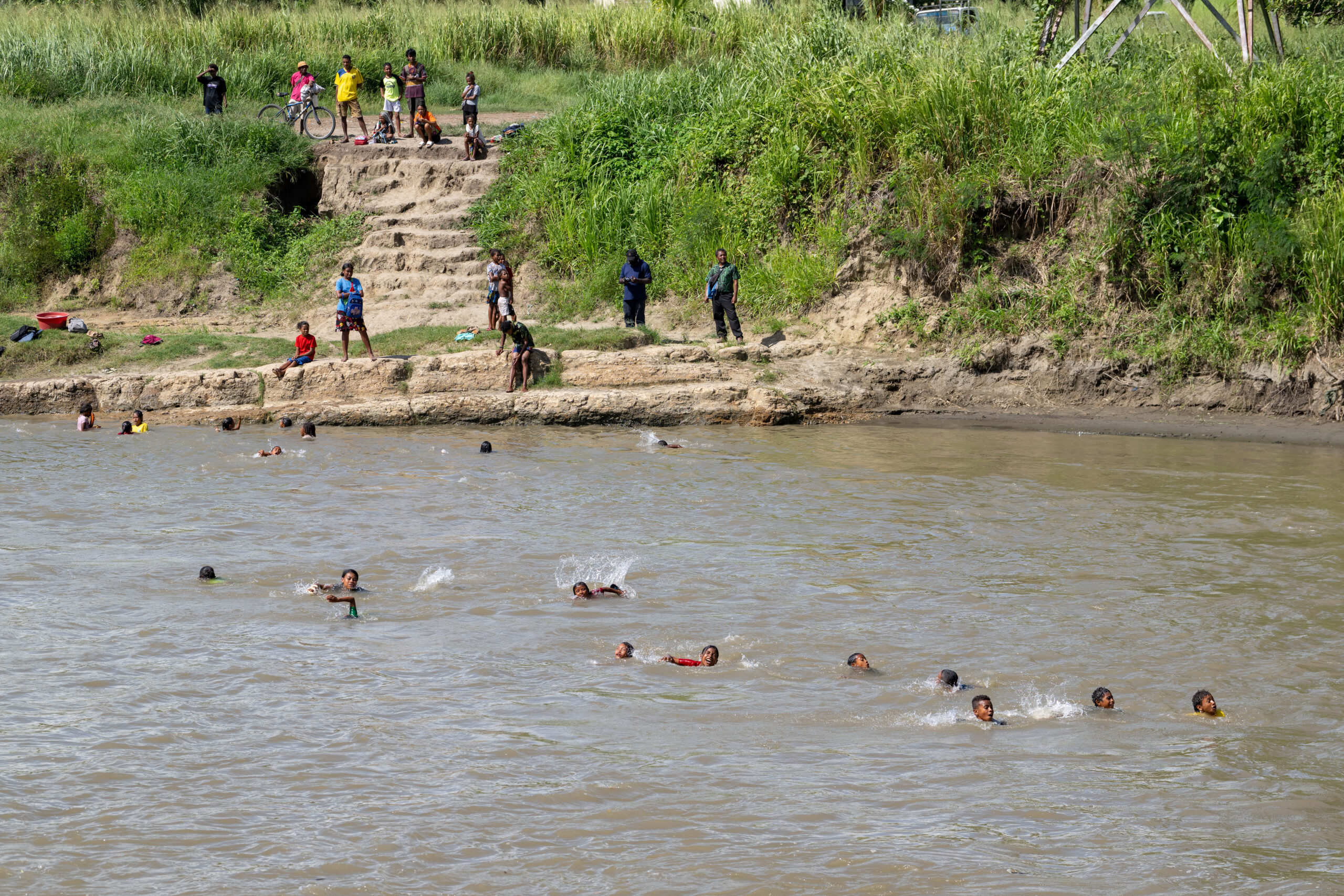
To reach school each morning, 15-year-old Lorna first has to swim across the Kemp Welch River, known to locals for its strong currents and crocodile-infested waters.
The footbridge that once linked her village in Papua New Guinea’s Central Province to its only primary school and health post was washed away by extreme flooding in 2012. More than a decade later, it has not been rebuilt.
“Most of the time we swim across the river. We put our school bag and uniforms inside a dish and swim across,” Lorna told UNICEF. “We swim across to the school side and hide in nearby bushes or behind vehicles to change. After changing, we hide our wet clothes in the bush, then we walk to school.”
During menstruation, she said, village elders forbid the girls from crossing at all, fearing the blood will draw crocodiles.
“In monsoon season, heavy currents, dead trees and debris block the river, causing injuries and deaths,” the school’s principal told UNICEF. “Children also lose their books, bags and clothes in the river. Many children fall sick from the cold river water.”
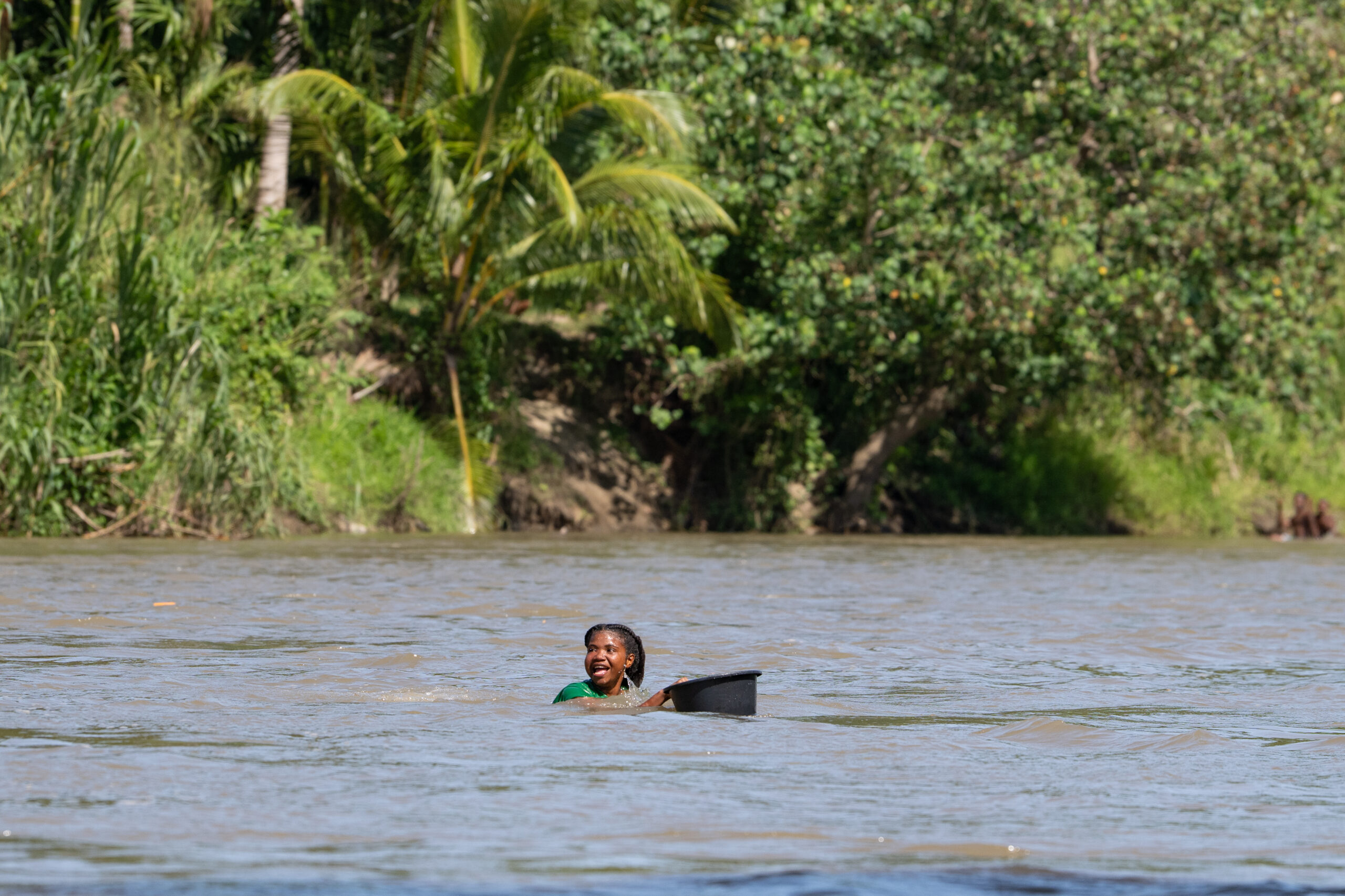
Her daily crossing is one of countless adaptations charted in the Children’s Climate Risk Report 2026, released Tuesday by the UN children’s agency (UNICEF)
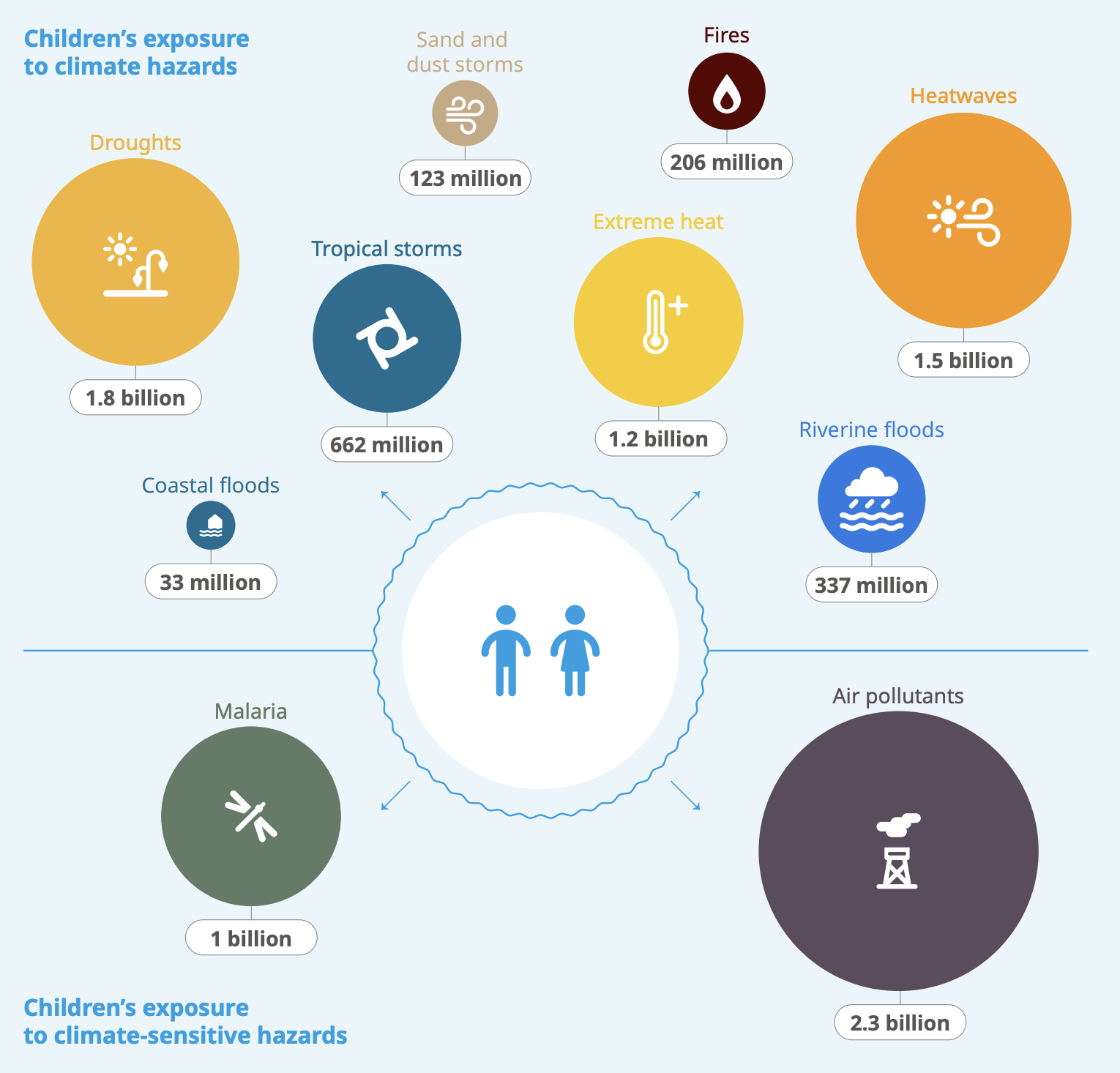
Almost every one of the 2.3 billion children alive is now exposed to at least one climate hazard, the report finds. They range from floods, droughts and tropical storms to heatwaves, extreme heat, wildfires and sand and dust storms.
About 1.1 billion, nearly half the world’s children, face three or more overlapping hazards at once. More than four million are exposed to as many as six.
“Imagine having to swim across a fast-moving river, known for its strong currents and crocodiles, just to make it to school,” said Tom Slaymaker, who leads UNICEF’s water, climate and environment data unit.
“For these children, the impact of climate change is not an abstract or future concern. It is a reality pushing them to risk their lives to not miss out on school.”
Next generation data on climate and children
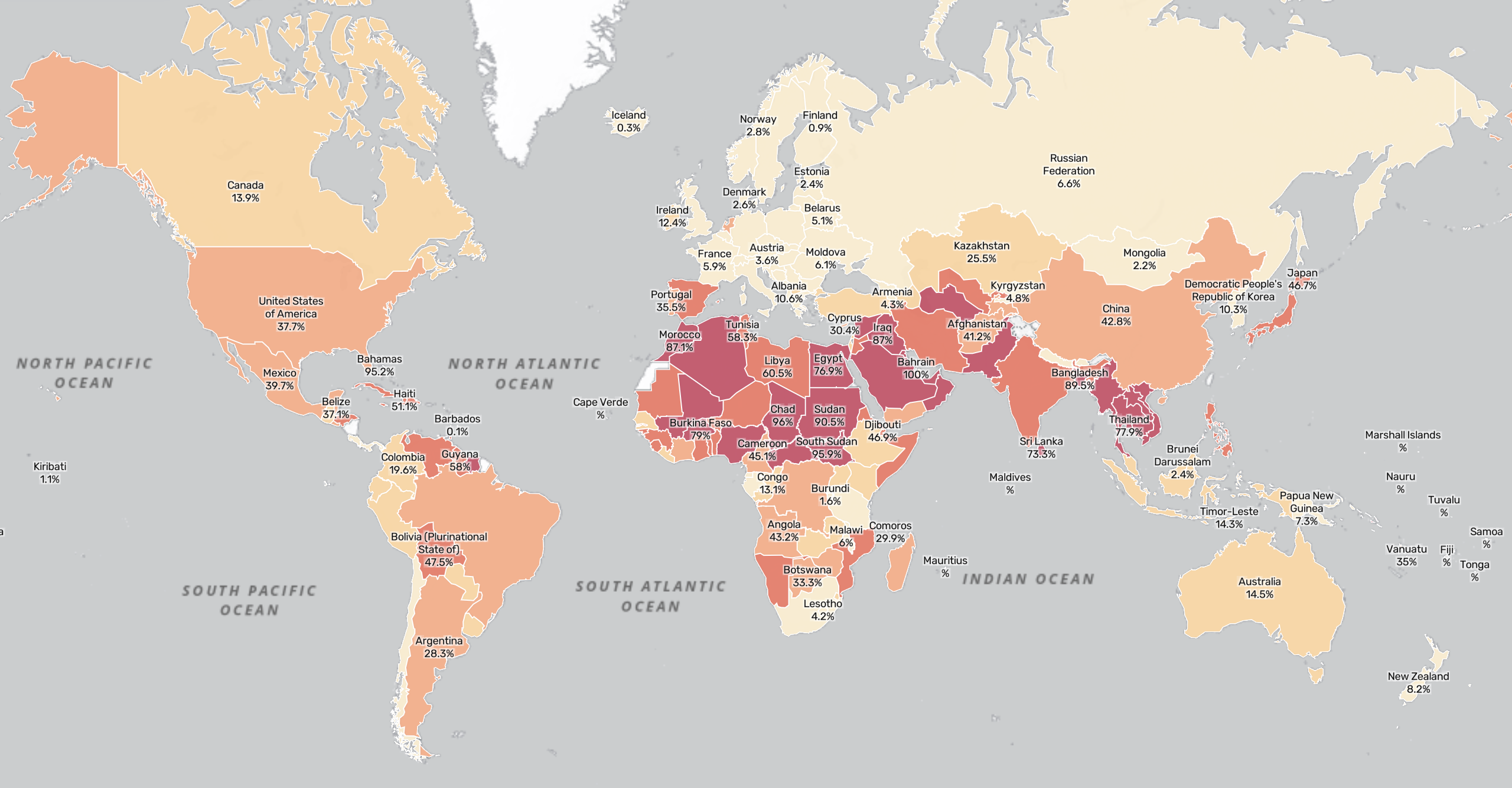
For the first time, UNICEF has mapped where and how intensely those hazards converge, drawing on a new Global Child Hazard Database that resolves exposure down to a 100-metre grid.
The database tracks eight climate hazards: riverine and coastal floods, droughts, tropical storms, heatwaves, extreme heat, fires, and sand and dust storms. It adds two more health crises worsened by a warming planet: malaria and air pollution.
“The lives of children continue to be upended by the impact of heatwaves, wildfires, droughts and floods,” said UNICEF Executive Director Catherine Russell. “Half of the world’s children are now living with at least three overlapping climate threats shaping their daily lives.”
Successive UNICEF assessments, built on progressively more granular data, show the climate threat to children growing more critical the better it is understood.
The agency’s first such analysis, the 2021 Children’s Climate Risk Index, found around one billion children at extremely high risk and 820 million exposed to heatwaves. The new figure for heatwave exposure is 1.5 billion. Recorded exposure to air pollution has climbed from one billion to 2.3 billion across the same assessments.
“Children are at the forefront of the impact of climate change,” Russell said. “Across the globe, millions of children are now facing multiple climate threats without the necessary services to cope.”
“They are experiencing extreme heat that causes heatstroke and dehydration. Their homes and schools are being destroyed by storms and floods. Devastating droughts are limiting their access to food and water. And in many cases, the intensity of these hazards is increasing with each passing year.”
When the shocks overlap
Drought, paired with extreme heat and heatwaves, is the most common climate hazard combination, affecting an estimated 296 million children, UNICEF found, feeding into one another in a loop that drives malnutrition, water scarcity and heat illness.
A second cluster, drought with extreme heat and tropical storms, affects a further 115 million children, a convergence that drives food and water scarcity, severs access to health care and schooling, and raises the risk of displacement and disease.
Drought, heatwaves and tropical storms rank third, affecting 94 million children, followed by drought, extreme heat and riverine floods at 58 million.
“When climate hazards overlap, the impacts compound,” Slaymaker said. “A drought can leave children hungry and malnourished. A flood that follows can contaminate water supplies and spread diseases like cholera. Each shock makes the next one more dangerous.”
One of the most worrying findings of the report is that the rate of overlap in climate extremes affecting children is accelerating. Between 2012 and 2021, the number of children exposed to three or more hazards rose 69% over the previous decade.
Many more children were uprooted, with climate shocks driving the equivalent of 21,000 child displacements a day between 2016 and 2023.
Displacement is a compounding hazard that the index does not count. Children driven from home into camps or informal settlements lose access to health care, clean water and schooling, and face sharply higher risks of disease, family separation and exploitation.
“These multiple overlapping shocks are building on top of each other and reshaping children’s lives,” Slaymaker said. “Without urgent, child-focused climate action, the shocks they face today will only intensify.”
Global but unequal crisis
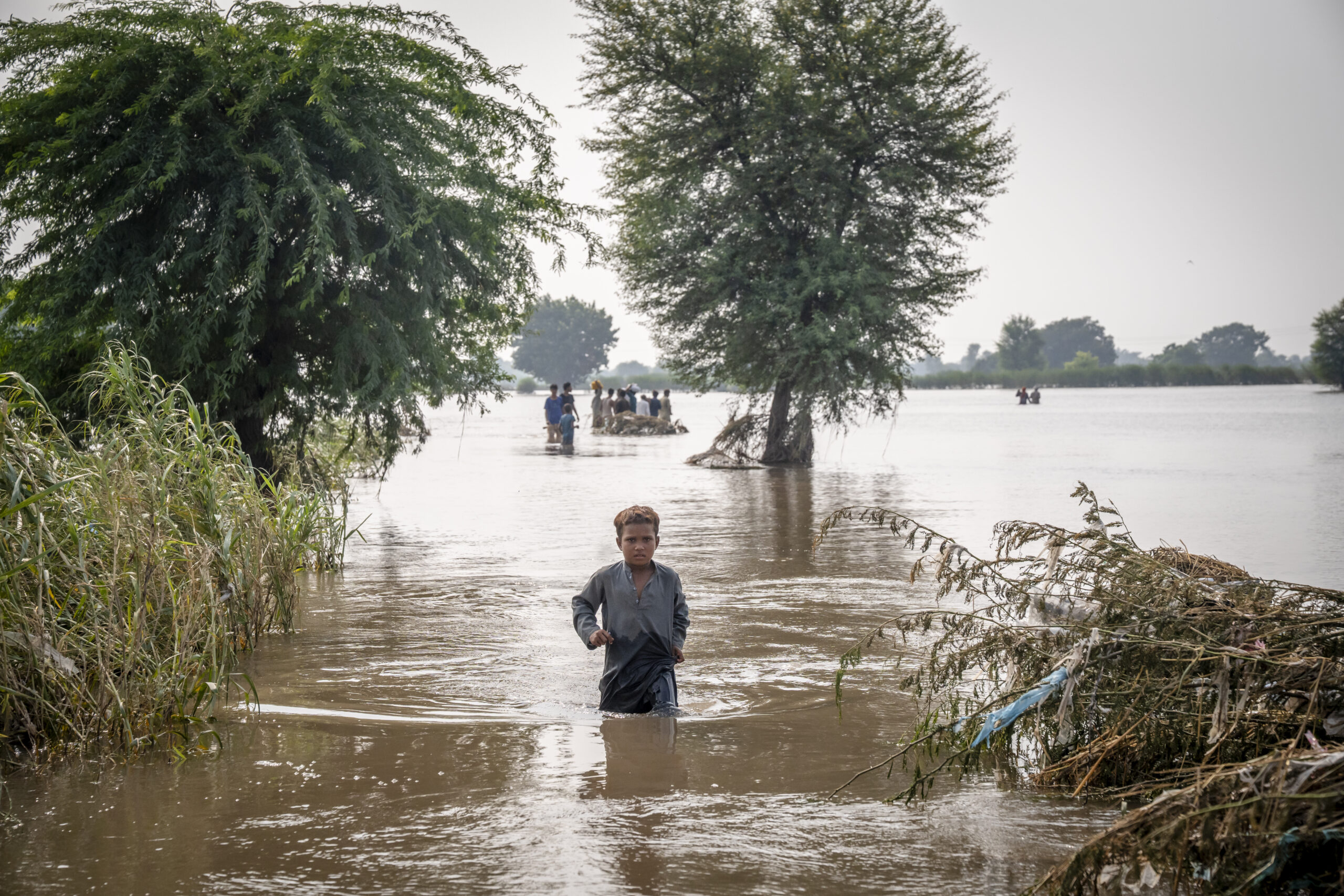
In Africa’s Sahel, more than four million children face the combined threat of heatwaves, extreme heat, and sand and dust storms. Children across Burkina Faso, Chad, Mali, Niger and South Sudan are among the most exposed anywhere, in a belt where wind-blown dust also drives meningitis, a disease the region already carries at the world’s highest rates.
All children in the world’s 24 small island developing states, including Haiti, are exposed to tropical storms that can knock out entire health and aid systems overnight. For many of these nations, and their children, the danger is existential, as the same warming that fuels hurricanes lifts sea levels that threaten to submerge countries and coastal communities.
In Bangladesh, Myanmar and Pakistan, children are exposed to more hazards, and at greater intensity, than anywhere else on Earth. All three nations pair vast child populations with low-lying, flood-prone geography and intensifying storms and heat, exposing children to a perfect storm of simultaneous threats to their well-being.
Zunaira, a young activist from Pakistan, told world leaders at the UN General Assembly last year that the 2022 floods that submerged a third of her country “did not just wash away houses.”
“They washed away entire communities. They washed away childhoods,” she said. “Schools collapsed or turned into shelters. Families lost homes, and children lost the spaces where they felt safe. And when the waters receded, what remained was not only destruction, it was trauma.”
“Children are living the challenges of climate change right now,” she said. “And the impacts are not just physical – they are emotional, mental and deeply personal. We are not imagining this crisis. We are living it, and it affects us more than adults can imagine.”
Even moderate climate hazards can ‘put lives at risk’
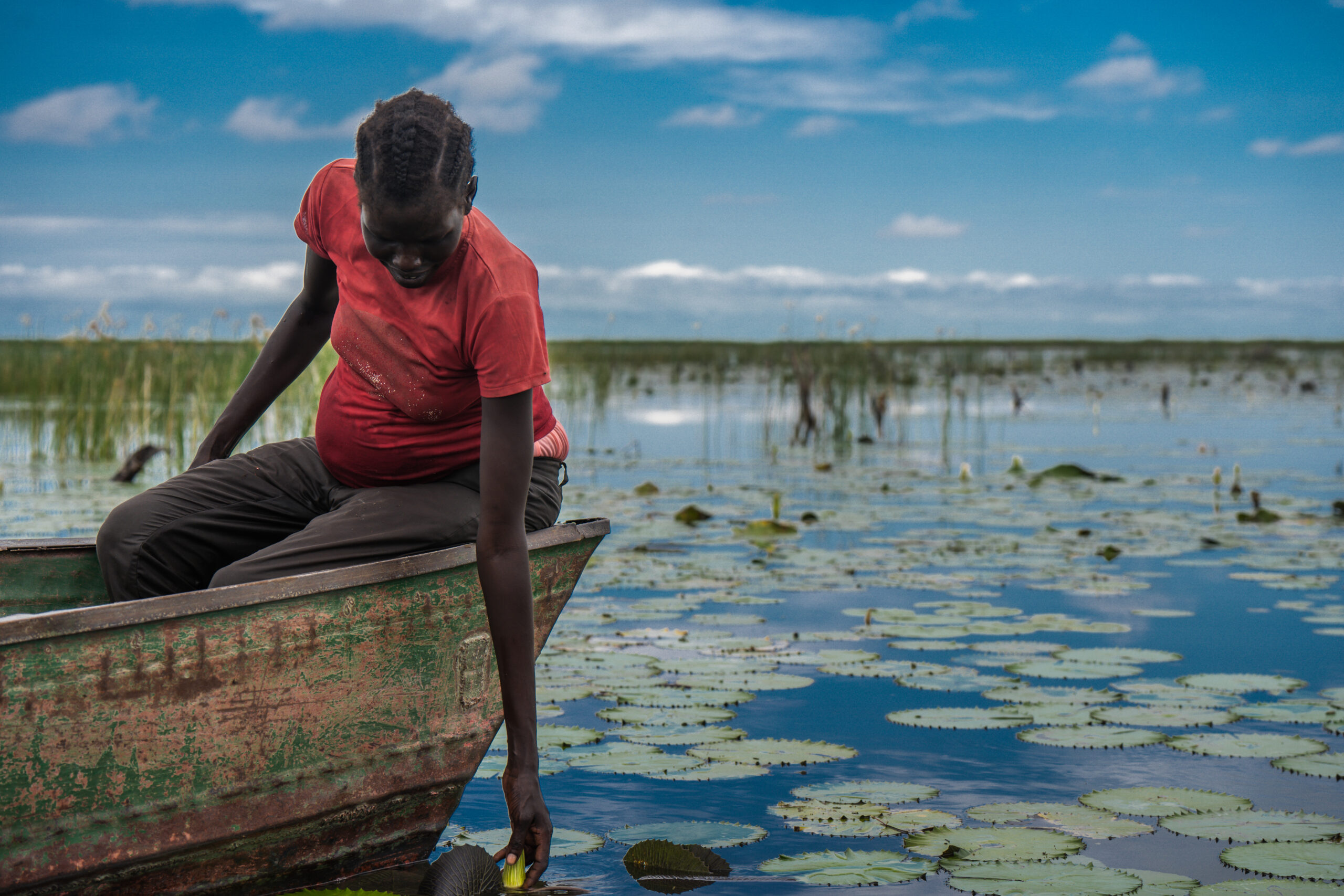
Yet what turns a hazard into a catastrophe is often the ability of the health and government services meant to absorb and rebuild it.
“No country is untouched by climate risks, but imagine a child in conflict-affected places, the Central African Republic, Chad, Haiti, or Sudan,” Slaymaker said. “Because they have much lower access to essential services, such as health care, nutrition, or water and sanitation, even a moderate flood or drought can put their life at risk.”
That doesn’t mean wealthy countries are wholly spared. In Italy, more than six million children are exposed to prolonged heatwaves and drought, though UNICEF held the country up as proof that adaptation spending can blunt the danger.
Heatwave exposure has seen among the sharpest increases of any hazard the agency tracks. In Europe, which is warming faster than any other continent, extreme heat has killed more than 200,000 people over the past four years, the World Health Organization (WHO) said this month, making it the region’s deadliest climate hazard.
Every child breathes air pollution
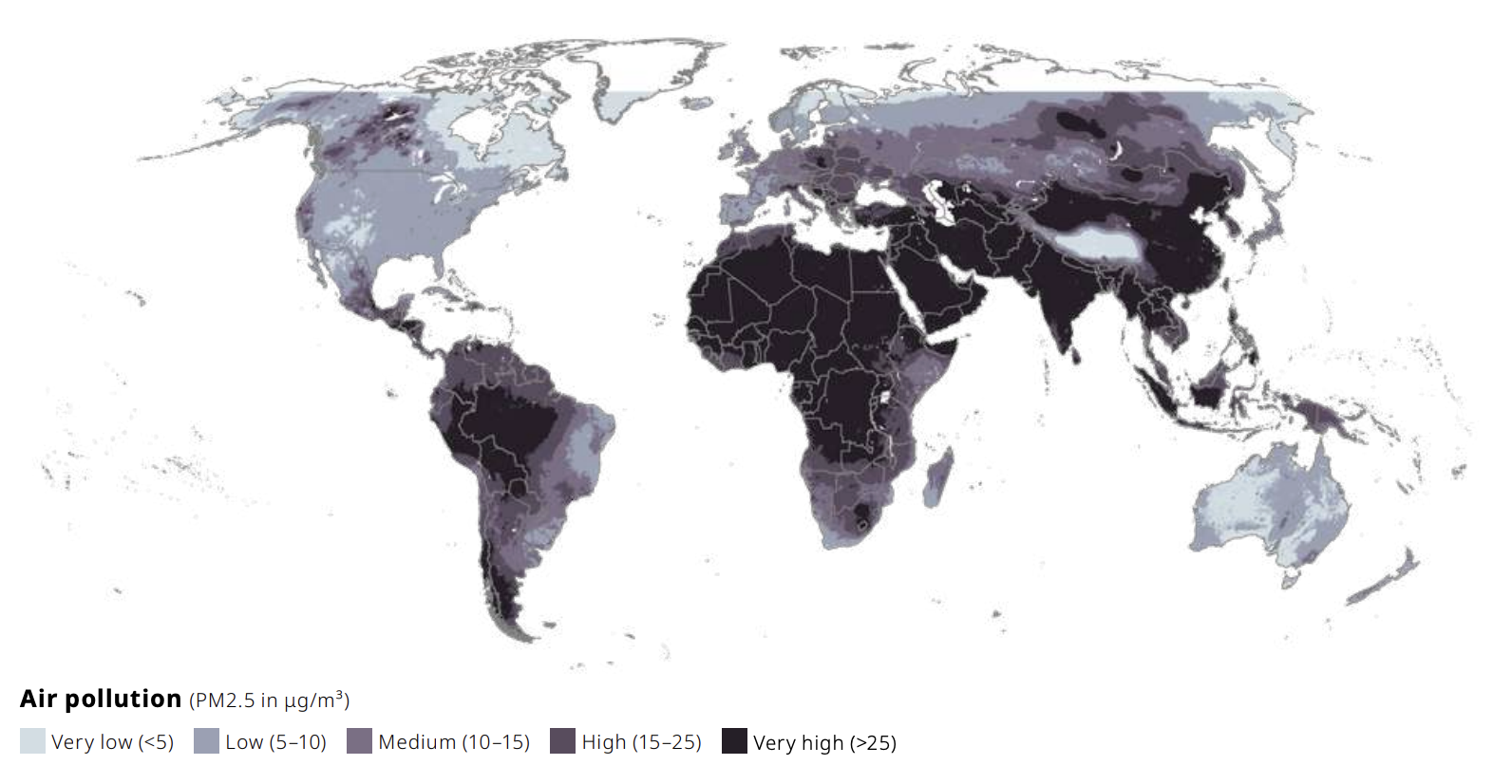
An estimated 2.3 billion children, virtually every child on the planet, breathe air that breaches the WHO guideline for safe air, ranking it as the second-leading risk factor for death among children under five, after malnutrition, according to the report.
The latest State of Global Air report, produced by the Health Effects Institute with UNICEF, links air pollution to more than 675,000 deaths in children under five and a combined 61 million healthy years of life lost among them.
Like the greater climate crisis, air pollution’s effects are deeply unequal, with around 90% of all air-pollution deaths occur in low- and middle-income countries.
Extreme heat and access to safe drinking water exacerbated by climate change follow closely behind air pollution as leading threats to the health of children around the world.
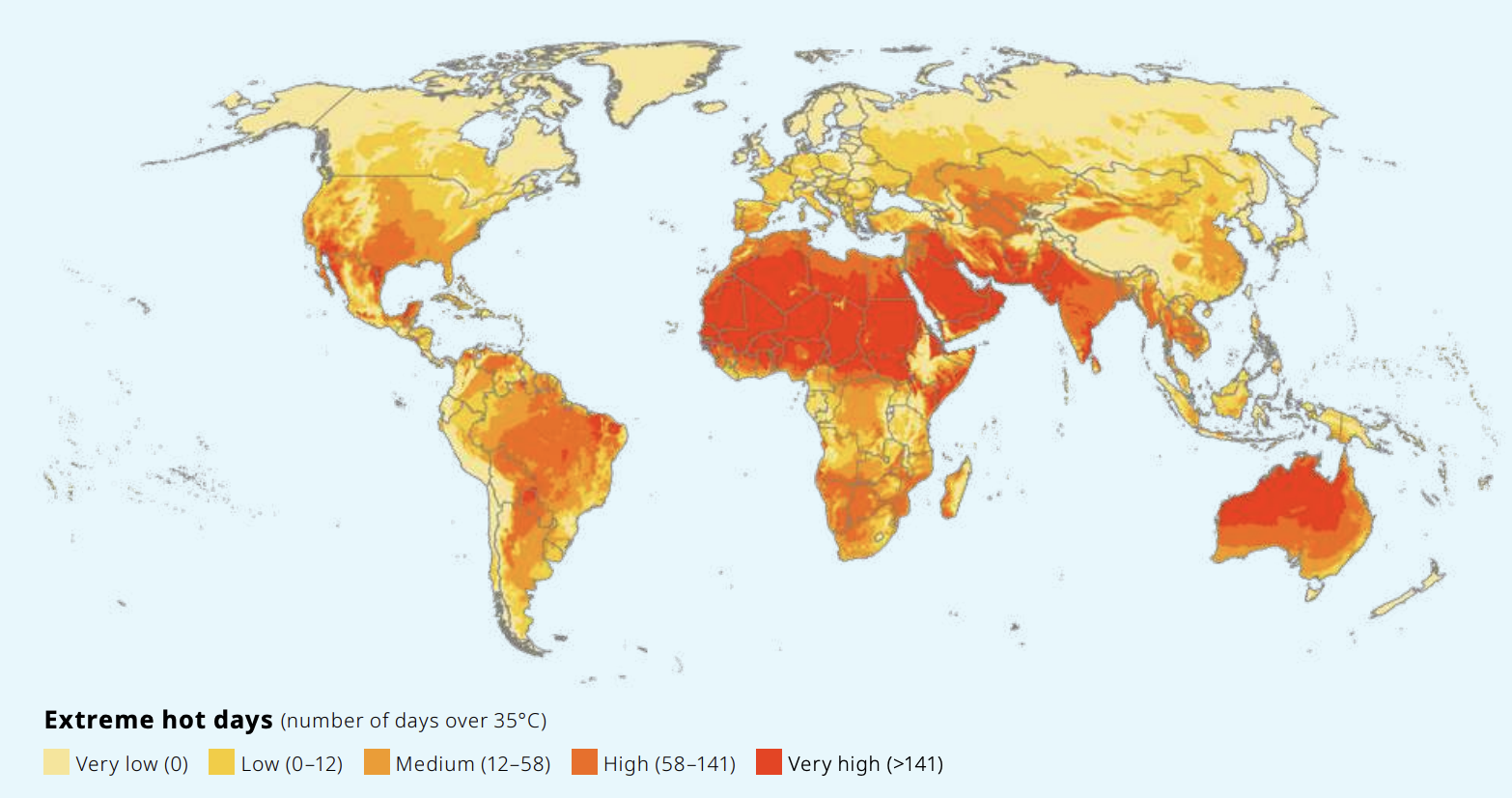
Today, 634 million children lack safe drinking water, and one billion lack safe sanitation, conditions climate shocks are sharpening – “one of the biggest killers of children under five” due to its role in increasing the risk of diarrhoea, Slaymaker said.
Another 550 million children were exposed to additional extremely hot days in 2024 that scientists attribute directly to human-caused warming, according to Vrije Universiteit Brussel research published this year, which is mapped out in the report.
Other, more overlooked threats compound the toll. Each 1°C rise in extreme heat lifts the odds of stillbirth by 14 per cent, the report notes, while a further one billion children live in areas exposed to malaria, a disease whose range expands as temperatures and rainfall shift.
The cost of inaction
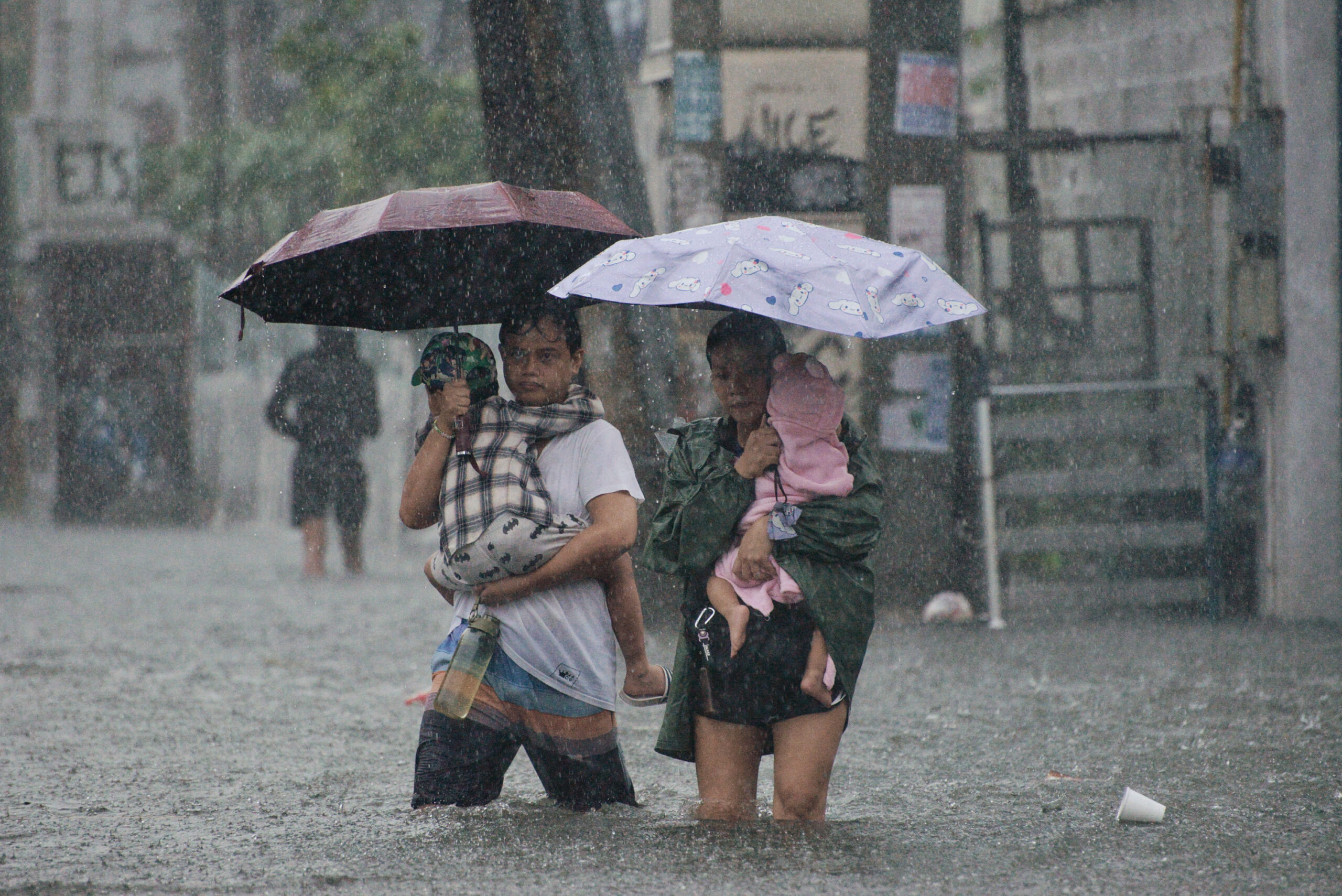
Beyond the health and mortality impacts, the financial costs levied on children and economies globally are equally staggering.
Climate hazards disrupted schooling for at least 242 million students across 85 countries in 2024 alone. Lost learning in low- and middle-income countries could cost today’s students up to $11 trillion in lifetime earnings, the report estimates.
Prevention, by contrast, pays. Every $1 invested in adapting essential services for children returns more than $10 in benefits over a decade, the report says, citing the World Resources Institute.
But developing countries will need $310 billion to $365 billion a year for adaptation by 2035, the UN Environment Programme estimated in October, against just $26 billion in international public finance in 2023, a shortfall of 12 to 14 times.
At COP30 in Belem last year, nations agreed to a target of tripling the adaptation finance commitment made years earlier to $120 billion per year by 2035. That ambitious upping of the ante came before the world hit its previous $40 billion target set in Glasgow, raising questions about how long – or whether – the money will arrive.
‘Not a warning of what is to come’
Back in Papua New Guinea, Lorna still holds on to hope for the future.
“My dream is to become a teacher or a pilot,” she said. “We just want a new bridge, so that we can go to school safely every day.”
“Children have done the least to cause the climate crisis, yet they are paying the highest price,” Slaymaker said.
UNICEF urged governments to cut emissions, write children into national adaptation plans and disaster response, and fund fixes already proven to work: solar power to keep schools running through outages, groundwater wells as surface water dries up, and storm shelters built to last.
“This analysis can help governments and decision makers plan better and invest more effectively in resilient services,” Russell said. “When we strengthen health and education systems and improve infrastructure with children in mind, we protect them from today’s climate threats and help secure their future.”
For children like Lorna, who have already adapted once, the margin is thin, Slaymaker warned.
“They adapted to one climate shock by swimming across a river to school. But what happens when the next shock comes, the flood waters rise, the river gets faster, and a dangerous journey becomes deadly?”
“This is not a warning of what is to come. It is a recognition of our current reality,” he said. “Climate change is not only changing the planet, but also children.”
Image Credits: UNICEF, UNICEF, UNICEF.
Combat the infodemic in health information and support health policy reporting from the global South. Our growing network of journalists in Africa, Asia, Geneva and New York connect the dots between regional realities and the big global debates, with evidence-based, open access news and analysis. To make a personal or organisational contribution click here.
Air Pollution,Climate and Health,Climate change,Content type,Health & Environment,Health Equity,Health reporting,Health Systems,Health, Climate & SDGs,News,children,climate and health,climate change,climate crisis,Health and environment,Humanitarian Crises,UNICEF#Child #Earth #Faces #Climate #Hazard1781714613
