


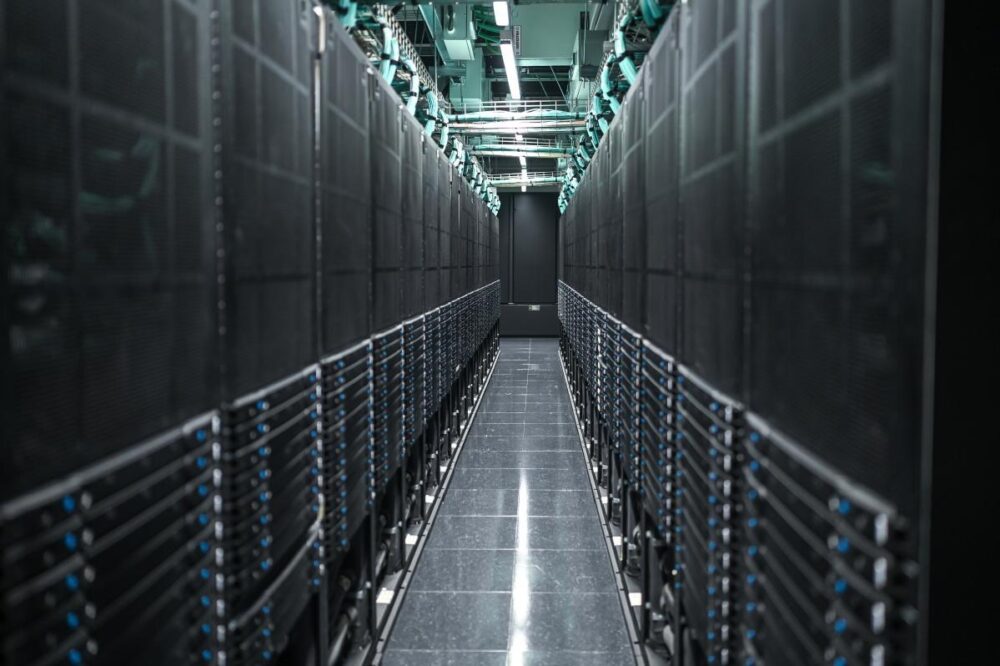

The explosive growth of artificial intelligence is siphoning off water and electricity supplies used by communities around the globe, and creating new sources of air pollution and climate emissions from additional power generation. Yet, experts and industry representatives claim that the technology holds the key to mitigating the very crises it compounds. Advanced algorithms are already driving profound environmental solutions, ranging from monitoring municipal water leakages to forecasting renewable energy generation. Efficiency and standardisation issues remain the biggest barriers.
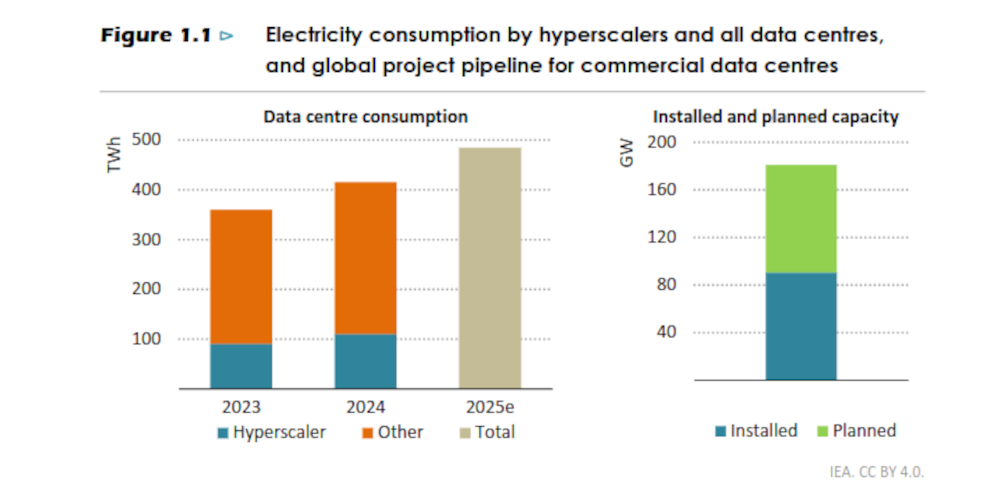
Despite accounting for a relatively small fraction of total global electricity usage today, the growth trajectory of AI is alarming. Projections by the International Energy Agency (IEA) indicate that data centre electricity consumption will double to 950 terawatt-hours by 2030, driven largely by specialised AI workloads and computing facilities.
Last year, data centres consumed about 485 terawatt-hours of electricity globally, representing 1.5 percent of worldwide use.
“We estimate that their electricity consumption increased by 17 percent last year, growing more than five times faster than total electricity consumption,” said IEA-expert Thomas Spencer. He was part of a panel session on data centres’ climate impacts at this week’s AI for Good Summit in Geneva.
From 7 to 10 July, more than 12,000 visitors, experts, regulators and diplomats crowded the hallways of Geneva’s Palexpo exhibition grounds to discuss the potential and limits of AI. The summit was organised by the International Telecommunications Union (ITU), alongside 50 UN partner agencies, other UN member states and the private sector.
This exponential demand in AI energy demand places immense pressure on existing power grids and frequently forces utilities to rely even more on fossil fuels, including dirty diesel backup generators. According to the IEA, some companies in the United States have already begun expanding natural gas-fired capacity to meet the surging demands generated by localised AI data centres.
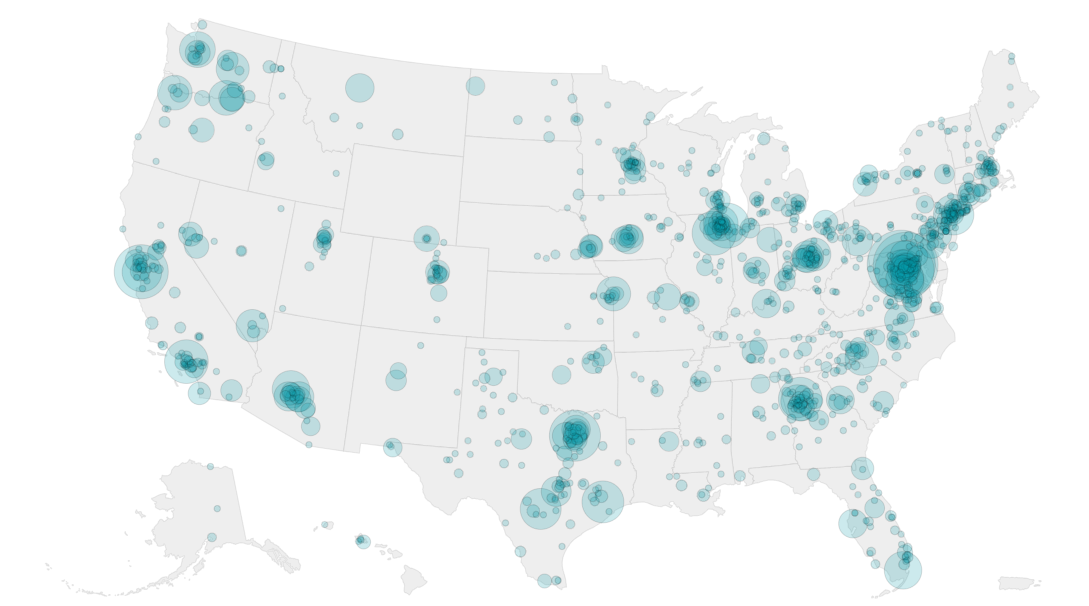
More immediately, the increasing reliance of data centres on backup diesel generation, which emits toxic particulate air pollution, has stimulated a big backlash from communities and environmental groups in the US, which hosts 37% of the world’s total data centre installations.
The surge in fossil-fuel combustion, in general, threatens climate targets and exacerbates localised air pollution, directly impacting respiratory and cardiovascular health in surrounding communities.
Spatial concentration drives local conflicts
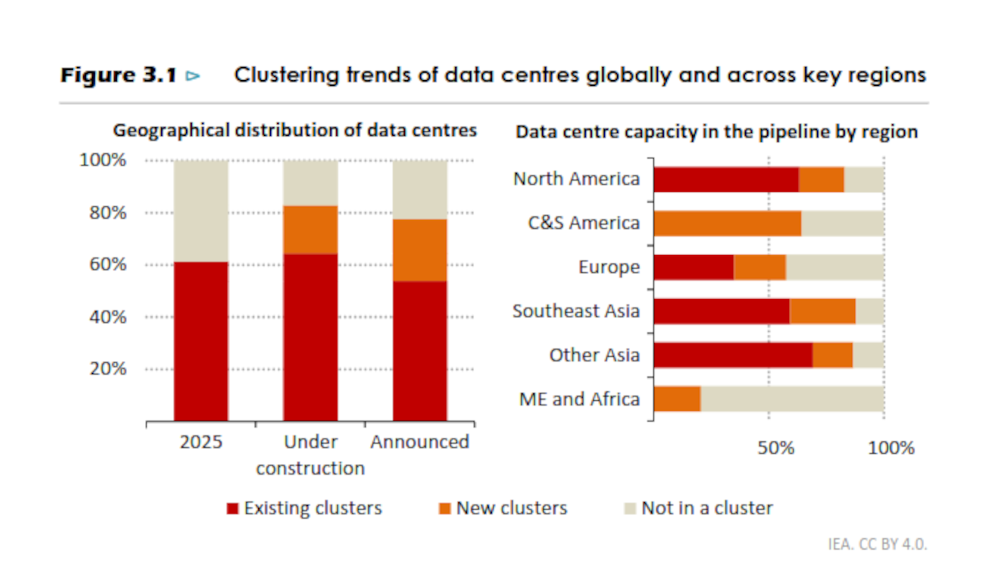
In local communities, mounting frustration stems primarily from the unique physical footprint of modern digital infrastructure. Unlike traditional industrial facilities, hyperscale AI data centres cluster tightly together and locate themselves near urban populations, experts point out.
“I would summarise the answer to this question as the three S’s: size, speed, and spatial concentration,” said Spencer.
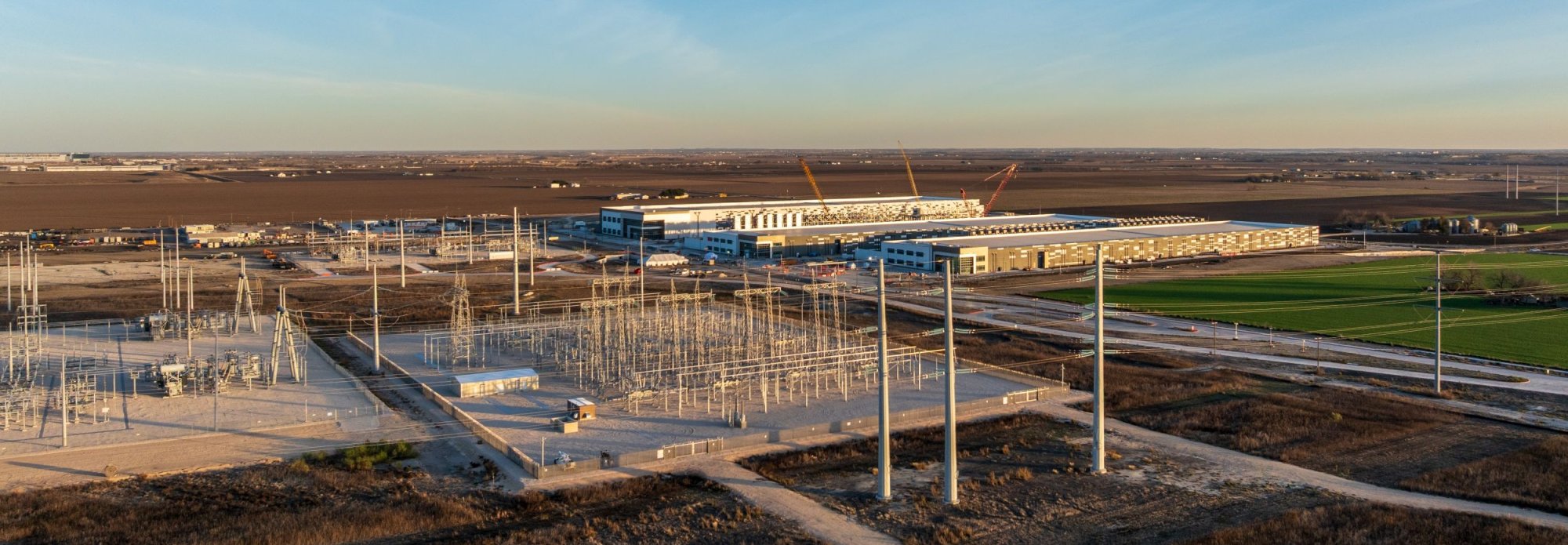
These facilities expand from initial announcements to fully commissioned gigawatt-scale campuses in just two to three years. This rapid development severely outpaces the decades-long planning cycles required to upgrade municipal electrical transmission grids.
The frustration is compounded by frequent opaque governmental decision-making. “There has been a real lack of transparency and a lot of secrecy around some of these data centres,” explained climate expert Molly Webb, CEO of the NGO Energy Unlocked.
Evaporative cooling strains water supplies of local communities

Consequently, data centres overwhelm local utility networks and compete directly with residents for essential resources like water as well as energy supplies.
A single 100-megawatt hyperscale facility can consume 2.5 billion litres of water annually, drawing directly from municipal drinking supplies, according to a 2025 report by the UK Government Digital Sustainability Alliance (GDSA). This volume is equivalent to the daily water needs of approximately 80,000 people.
Communities view some of these AI data centres as a direct threat to public health. When municipal water systems collapse under the strain, the immediate casualties are local sanitation and hospital operations.
UN urges recognition of water bankruptcy

Meanwhile, the world has entered the era of global water bankruptcy, a crisis threatening Sustainable Development Goal 3 for good health and well-being, and Goal 6 for clean water and sanitation. The UN has urged states to formally recognise that human-water systems have exceeded their hydrological limits and sustained irreversible damage.
Attempting to manage this reality with crisis tools alone produces escalating emergency costs, deepening ecological damage, and rising social conflict and inequality, the 2026 UN Global Water Bankruptcy report states.
According to the UK GDSA report, policymakers should adopt a water protocol that requires data centre operators to face stringent new barriers to entry. Facilities could be forced to secure non-potable water sources or invest heavily in dry-cooling architecture before receiving construction permits.
See related story.
World Enters New Era of Water Crisis, UN Says
Innovation for sustainable cooling systems
Reacting to the public pushback, the technology industry is developing less resource-intensive systems. Many hyperscale developers have begun implementing closed-loop cooling systems in new facility designs.
These closed water systems drastically cut consumption, offering a vital improvement over traditional evaporative cooling.
However, these systems require facilities to consume more electricity to cool the hardware, creating a difficult environmental trade-off, according to Cyrille Brisson, global data centre expert at the private company Eaton.
“When you want to eliminate water usage you have to consume more power… if you want to go zero water you worsen your power usage effectiveness,” said Brisson.
Making AI more energy efficient
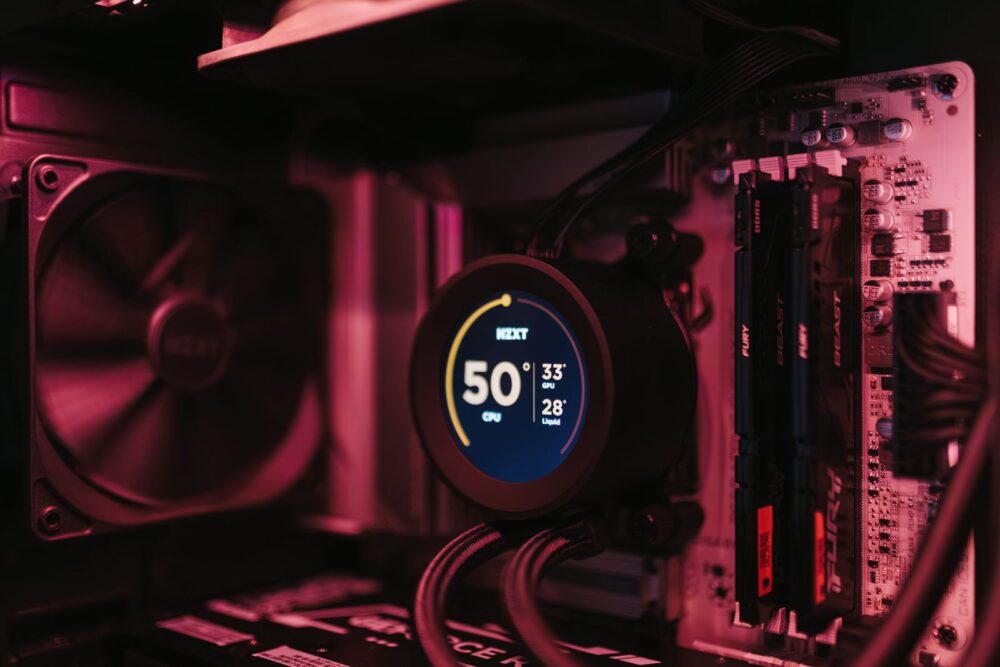
Simultaneously, hardware manufacturers are pushing the thermal limits of their processors to eliminate water consumption through evaporation.
Breakthrough architectures now utilise liquid coolants operating at 45 degrees Celsius, allowing facilities to manage heat without activating mechanical chillers. These high-temperature systems also can enable developers to recover waste heat for neighbouring residential buildings, transforming a major energy liability into a community asset.
Despite these advancements, industry experts note that such innovations remain geographically dependent, as facilities in warmer regions still require chillers during peak summer heat.
Reducing AI complexity to save power
To meet these sustainability challenges, independent developers are also simplifying the trillions of mathematical calculations per AI prompt. During the summit’s Resilient AI Challenge, global teams proved that sophisticated optimisation can drastically shrink the hardware and energy requirements of generative models.
When developers combine mathematical simplification (quantization) with smaller, task-specific models and optimised user prompts and responses, the computational burden drops drastically. Together, these approaches can reduce the energy required for AI systems by up to 90% for specialised and routine tasks, according to a UNESCO report, referenced by UNESCO assistant director-general Gabriela Ramos.
Independent developers are practically demonstrating these efficiency techniques in real-world scenarios. For example, a joint research team from the Chinese Academy of Sciences and Beijing Forestry University successfully dropped a model’s inference energy consumption by nearly 70%.
This shift not only slashes electricity demand but also democratises access, allowing hospitals and municipalities in lower- and middle-income countries to run AI locally on affordable hardware.
Can AI also help mitigate climate and pollution crises?
Eventually, AI technology should serve as a potent tool for climate mitigation, experts also contend. The IEA projects that AI applications could reduce global emissions by up to 1.4 gigatons by 2035 through more systemic energy optimisation. AI can drive profound water waste solutions, ranging from monitoring municipal water leakages and optimising crop irrigation, to cleaning water supplies and improving extreme weather forecasting.
“We should stop seeing data centres just in terms of energy demand, but we should look at them in terms of systems that can enable decarbonisation,” said Laura Schade, a senior engineer at the UK Department for Energy Security and Net Zero, speaking at the AI for Good panel.
Advanced algorithms process vast amounts of satellite and sensor data to forecast renewable energy generation with unprecedented accuracy. This predictive capability allows grid operators to integrate wind and solar power seamlessly, reducing reliance on fossil fuels.
Data centres themselves are also evolving into active grid participants rather than passive energy drains. By adjusting their computational workloads during peak hours, facilities can stabilise volatile renewable grids through instant flexibility.
Battery energy storage systems can replace diesel generators during outages, avoiding high pollution. And finally, pairing renewable microgrids with data centre development can integrate clean power from the get-go, notes the World Resources Institute, in a recent policy brief.
Supporting that, government regulatory processes should require companies to disclose on-site power strategies and evaluate cleaner alternatives during planning, review and permitting. At the same time, the nature of solar’s intermittent energy production also poses challenges for developing data centres entirely around solar-power.
The standardisation bottleneck
However, industry representatives warn that uncoordinated national regulations could also slow more sustainable deployment of data centres.
“What I dread is having a different standard by country because that’s what’s slowing down deployment of innovation tremendously,” said Eaton’s Brisson.
To prevent bottlenecks, the Swiss-based nonprofit International Electrotechnical Commission (IEC) is accelerating the update of 50 data centre safety and electrical standards into a two-year timeframe. A process that historically took decades, but that is now accelerated due to the explosive expansion of AI.
Beyond hardware, the implementation of sustainable AI in developing nations frequently stalls due to poor data quality. This threatens to increase the digital divide between the global north and the global south.
“The binding constraint was never the algorithm, it was the data standardisation,” said Gyungah Kim, manager at the Korea International Cooperation Agency at the summit.
Sustainability: A defining measure of excellence
The debates in Geneva reflect a maturation of the AI industry, moving past speculative hype toward concrete implementation. Companies and governments must now develop and implement robust regulatory guardrails and demand-side measures to react to public distrust and frustration.
Otherwise, the AI revolution risks further accelerating the very climate and resource crises it currently promises to solve, a sentiment echoed by UNESCO assistant director-general Ramos.
“Sustainability must become a defining measure of AI excellence,” she said.
Image Credits: European Union, Felix Sassmannshausen/HPW, WRI , International Energy Agency, Steve Heap/Shutterstock, Luis Tosta via Unsplash, Around the World Photos/Shutterstock , Matheus Bertelli via Pexels, Data Center Knowledge / Alamy.
Combat the infodemic in health information and support health policy reporting from the global South. Our growing network of journalists in Africa, Asia, Geneva and New York connect the dots between regional realities and the big global debates, with evidence-based, open access news and analysis. To make a personal or organisational contribution click here.
Air Pollution,Climate and Health,Climate change,Content type,Health & Environment,Health, Climate & SDGs,News,Uncategorized,Water,ai,Air pollution,artificial intelligence,Data Centres,Fossile Fuels,water#Energy #Water #Consumption #Compounds #Climate #Pollution #Crises #Part #Solution1783700127
