


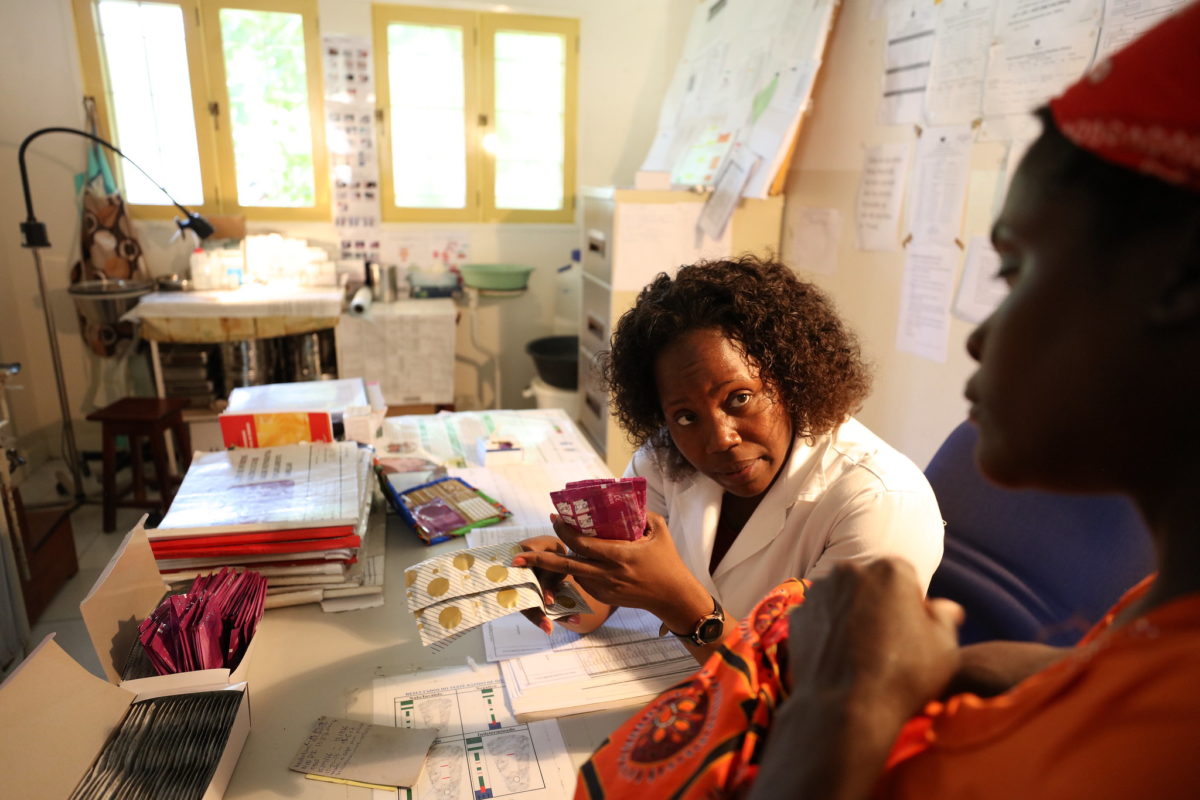
The dramatic global health budget cutbacks in services for maternal and reproductive health and sexually transmitted infections (STIs) have produced 17 million unintended pregnancies, and more than 34,000 preventable maternal deaths in just the first year since cuts were made.
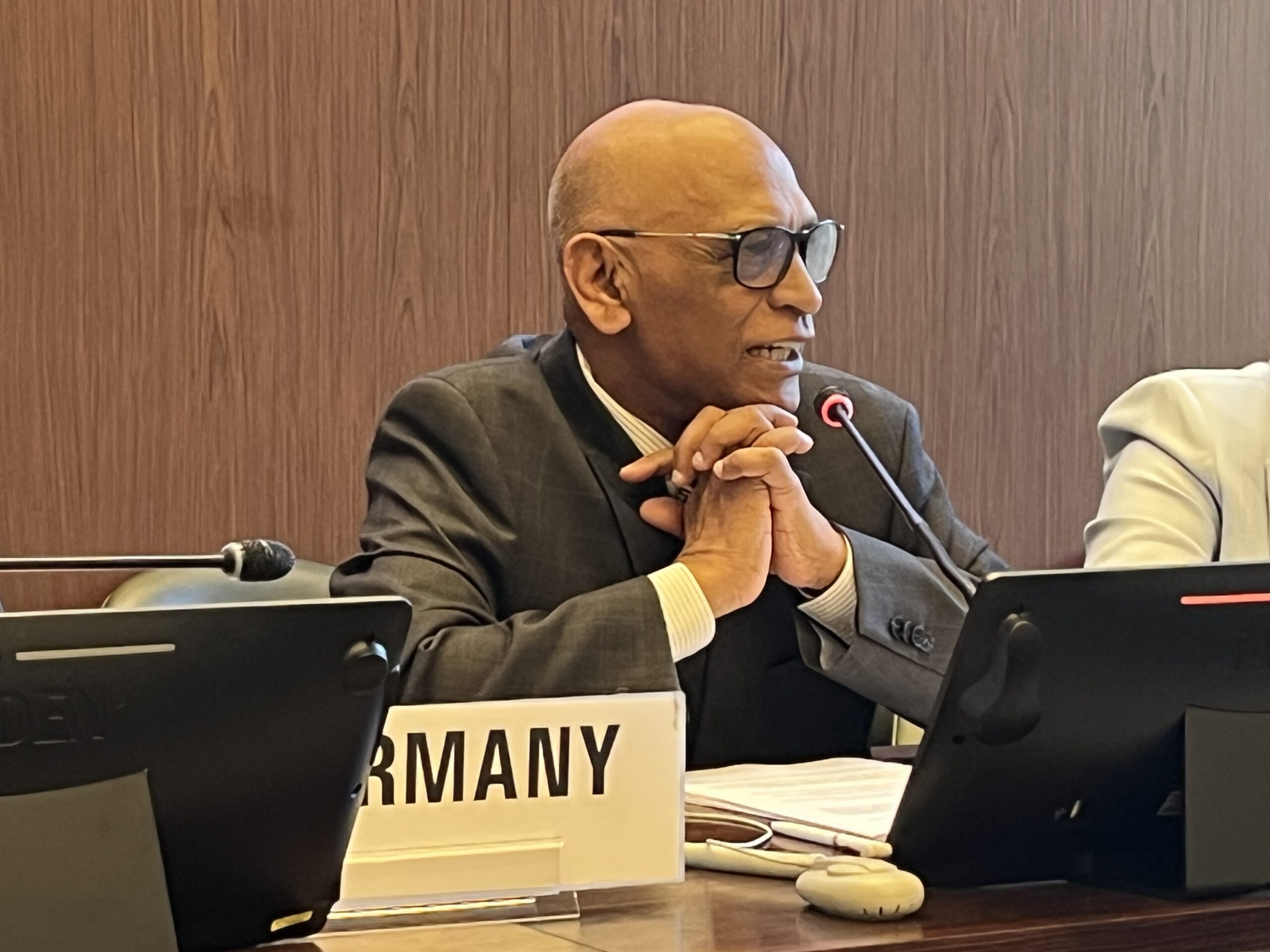
That recent assessment by French and Washington DC-based analyses, was cited by Guyana’s UN Ambassador in Geneva, Leslie Ramsammy, at a World Health Assembly side event in May.
And with deep, ongoing cuts in United Kingdom and European global aid budgets, as well as an anti-family planning and anti-choice mood in the US and many African countries, access to services may only worsen – along with the death toll.
Just last week, eight UN member states, including the United States, Russia and several African nations, and another 14 countries, mostly Middle Eastern, abstained from a vote on the 2026 UN High Level Political Declaration on HIV/AIDs – largely because it reaffirmed sexual and reproductive health rights. At the last WHA, meanwhile, SRHR captured little space on the formal agenda.
Against the threats, inspiring models of progress
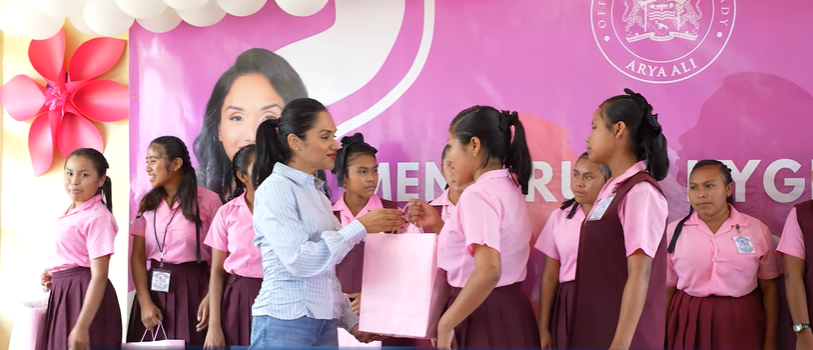
But against the threats and setbacks, there are also inspiring models of progress in low-and middle income countries such as Barbados, Guyana and Malawi, offer models that deserve wider attention, Ramsammy said.
Processes like the Human Rights Council’s Universal Periodic Review (UPR) can also be harnessed to accelerate progress, Ramsammy and other members of the high level panel convened by the Global Center for Health Diplomacy and Inclusion (CeHDI), also emphasized.
“Let me urge that we refrain from viewing SRH strictly and merely as a health issue,” Ramsammy said. “Providing voluntary access to contraception and a safe birth environment is not just a medical necessity, it is economic and social capital.
“Investing in SRHR reduces poverty, bolsters gender equality, and fosters resilience to global crises.
“When girls and women have the autonomy to make decisions about their own bodies, they are more likely to pursue education, participate in the workforce, and act as equal partners in their relationships.
Barbados, Guyana and Malawi offer models for Africa and the Caribbean
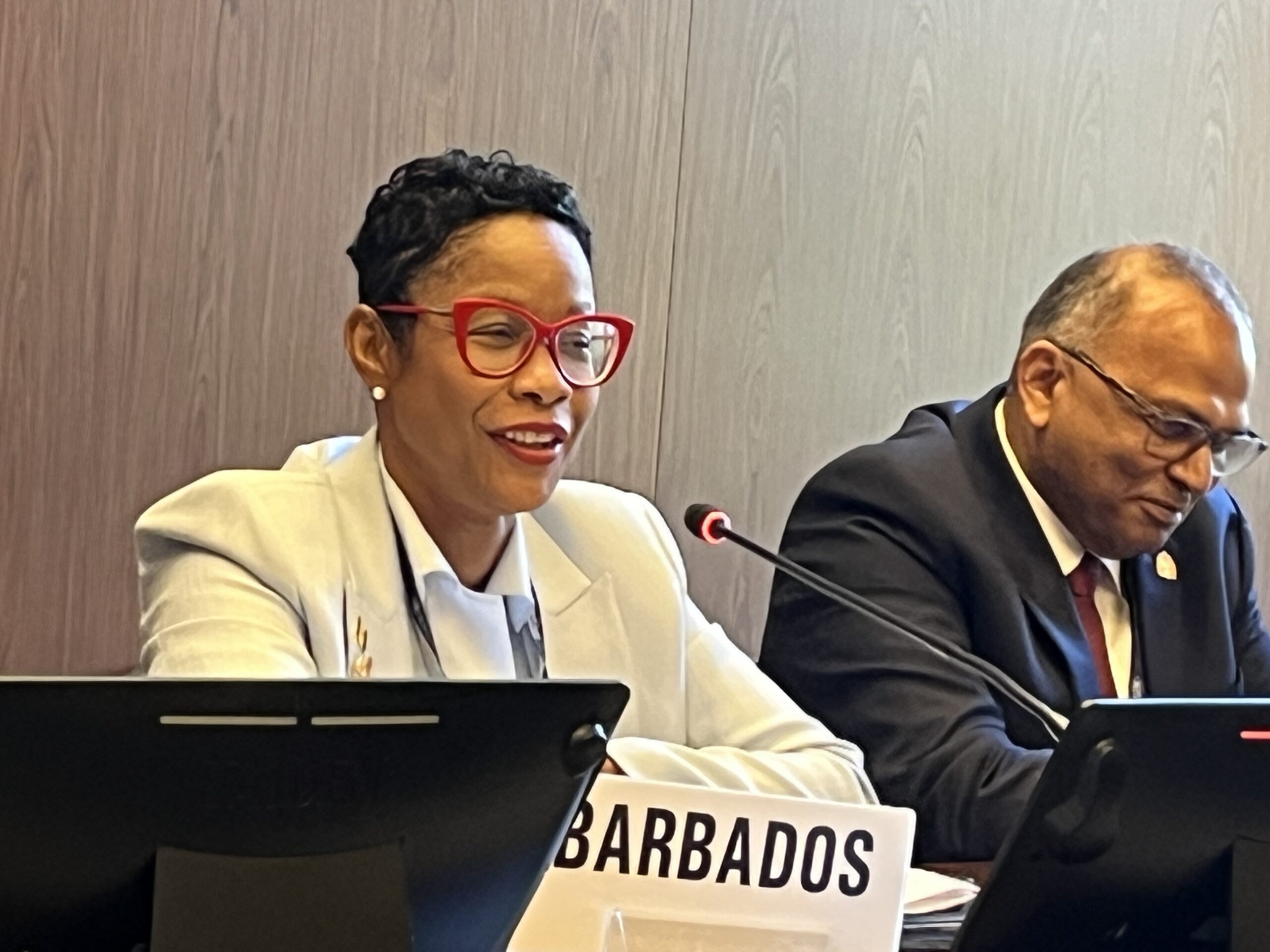
Barbados’ progressive SRHR landscape, for instance, includes legal abortion and access to reproductive health services – most delivered free of cost through its primary health care budget, said Lisa Cummins at the CeHDI event. Cummins is also the country’s first female Minister of Health since the 1990s.
The quality of services is reflected in Barbados’ low maternal mortality rates and high uptake of HPV vaccine, which prevents cervical cancer.
At the same time, the country is facing challenges in declining donor support for civil society groups that work closely with the government to deliver SRHR services, particularly the Barbados Family Planning Association (BFPA) – as a result of anti-rights activism abroad.
“That is part of a global conversation on external partners attempting to police our bodies – and to determine what we should and should not have access to as women,” Cummins said.
Expanding SRHR services despite donor cutbacks
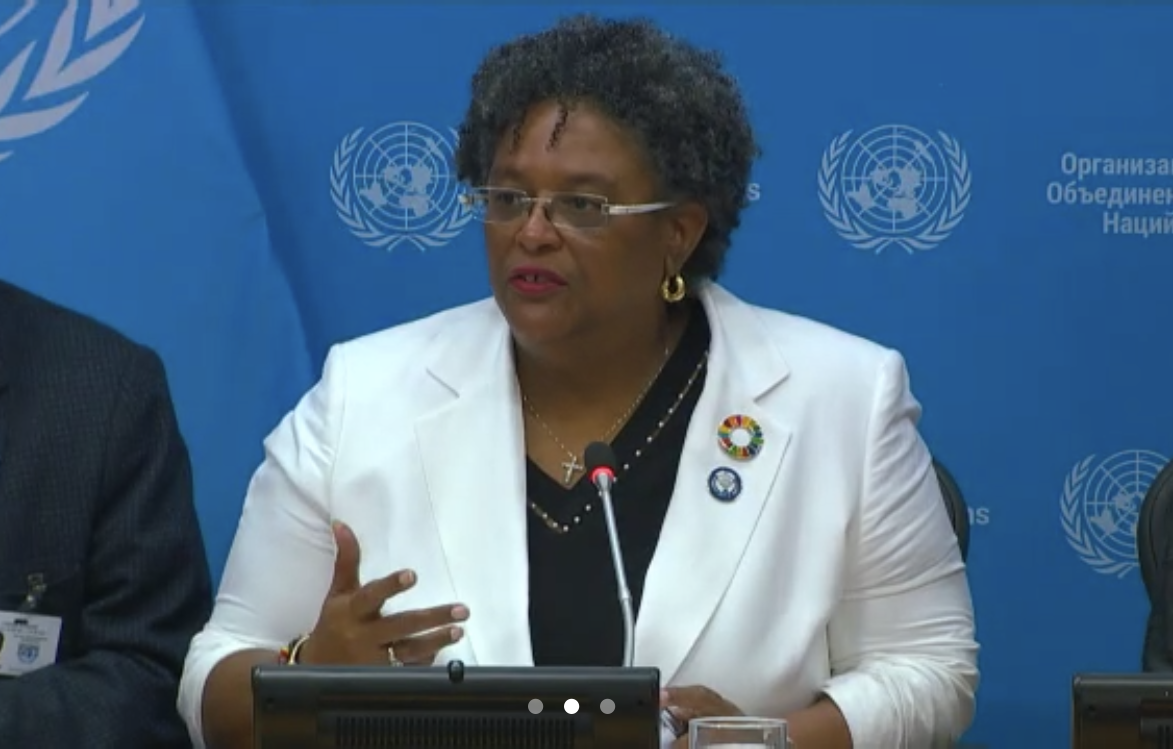
But the current government remains committed to maintaining and expanding SRHR services, she asserted.
“I’m not sure if you’ve ever met my leader,” she quipped, referring to Barbados Prime Minister Mia Mottley, a Global South champion for gender equality as well as for economic and climate justice.
“But [she] and the first Prime Minister of Barbados, the Honourable Errol Barrow, said something that we all live by – and that is ‘friends of all, satellites of none.’ ”
So even as outside funding has diminished, the BFPA has broadened services through closer cooperation with the public health system, integrating HIV counseling, maternal counseling, family planning and parental support so “we’re able to support parents in being better parents.”
“We believe in the protection of rights for women and girls. We believe in the preservation of the rights that have been established under the UN system and have been promoted by UNFPA. And we are committed to continuing to support the preservation of these rights,” said Cummins, adding, “That is who we are.”
Harnessing the Human Rights Council’s Universal Periodic Review (UPR)
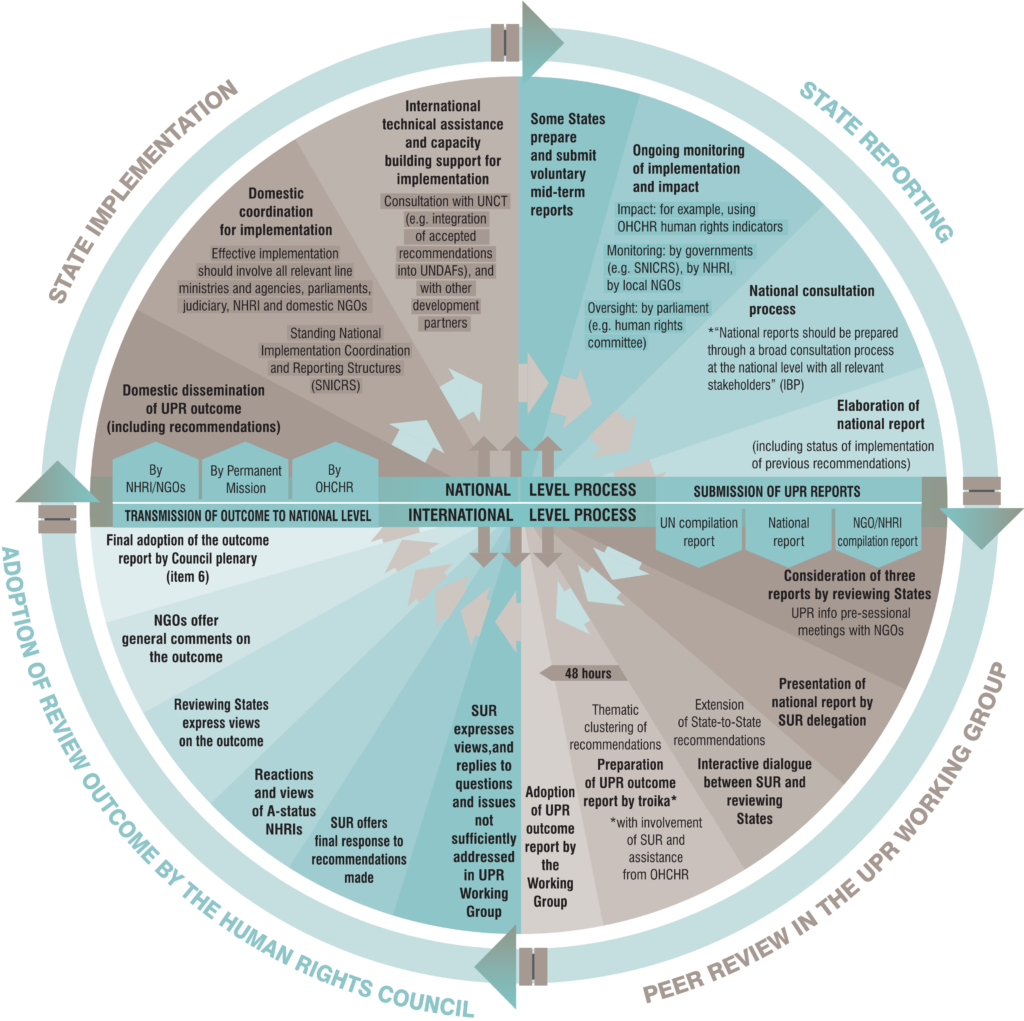
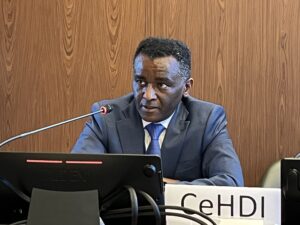
One often-overlooked but powerful multilateral lever is the Human Rights Council’s Universal Periodic Review (UPR) process, noted CeHDI’s CEO, Haileyesus Getahun.
The UPR is a peer review assessment every four or five years by HRC member states of progress in human-rights related legislation, policies and practices – including obligations of governments to the right to health and public health measures.
A recent analysis of the impacts of UPR recommendations across three review cycles (2005–2023) found the recommendations were associated with accelerated improvements in maternal health among high-burden countries.Critical SRHR indicators included in the analysis were maternal mortality rates (MMR), skilled birth attendance (SBA) and contraceptive prevalence (CPR).
Among the more than 400 recommendations assessed across 89 countries, each additional recommendation was associated with a 0.24% faster annual reduction in MMR, a 0.52% faster annual increase in odds of SBA and a 0.21% faster annual gain in CPR. This is according to the preprint of a study published in June on medRxiv.org by five CeHDI and WHO analysts.
“This is robust evidence showing that the UPR process is not a mere talk show. It can be an important accountability tool to advance universal health coverage including SRHR ” Getahun said.
He attributes UPR’s influence to involvement of high-profile ministries like the Cabinet, Foreign Affairs or Justice — which often carry more domestic political clout than health ministries — and parallel assessments by UN agencies and national stakeholders:
“So these are three independent processes, reviewing previous recommendations and the country’s performance in terms of all the rights where governments have obligations.”
Malawi sees SRHR as a human right
Africa’s record on SRHR rights and services has been mixed: abortion remains outlawed in many countries and LGBTQI criminalization has limited access to services.
Malawi, however, has made notable progress. It has been a leader in sub‑Saharan Africa in expanding voluntary family planning and reducing teenage pregnancies through access to quality contraceptives.
But the country still struggles with high rates of maternal mortality, gender-based violence and restrictive abortion laws.
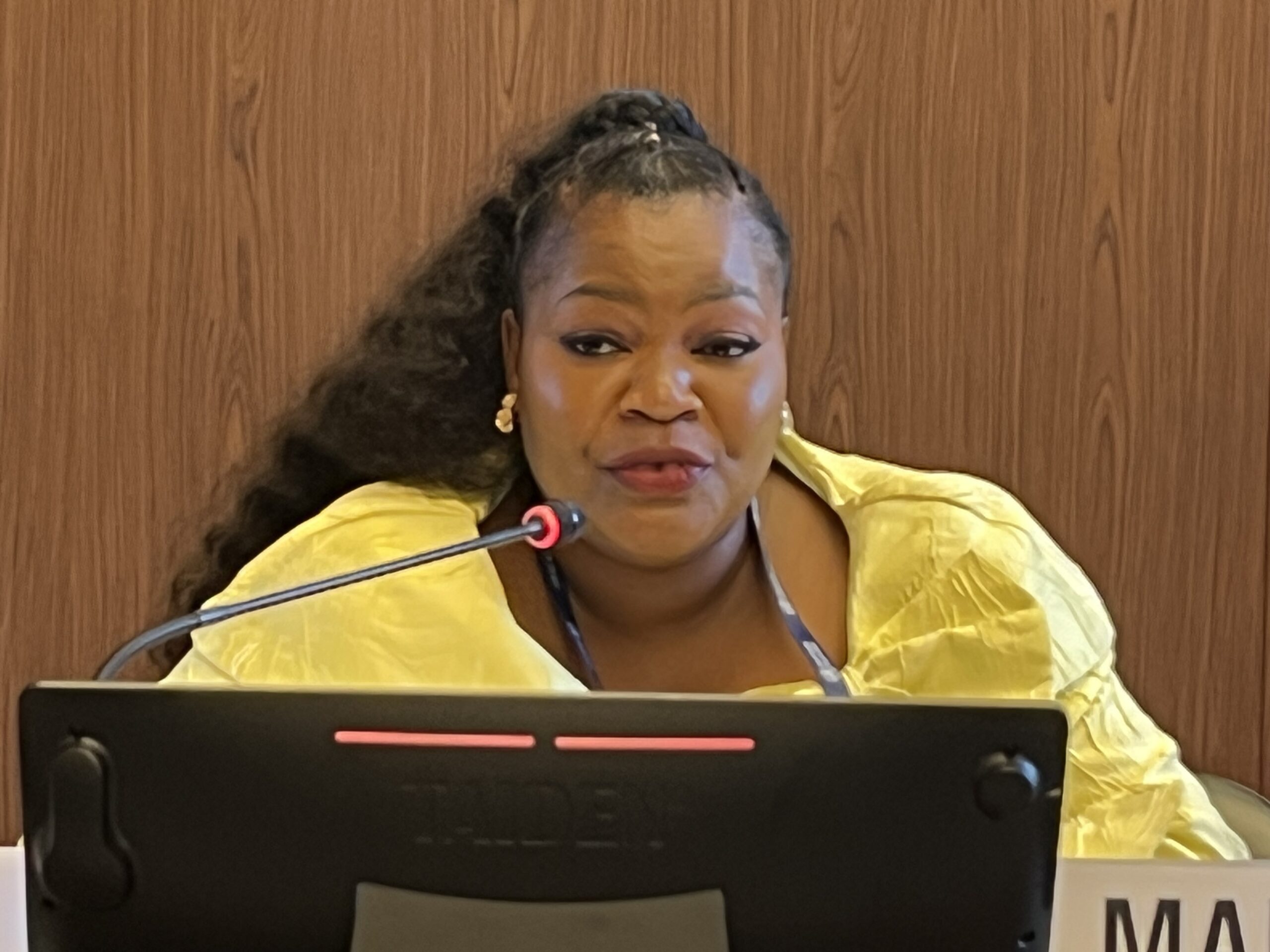
“Malawi, through the Ministry of Health, recognizes that sexual reproductive health as a human right as well as a health issue, and we take this issue seriously,” said Madalitso Baloyi, Minister of Health. “We treat SRHR as a current issue, but also an issue that has an effect on future generations.”
Barriers remain: they include limited infrastructure at primary-care level, weak referral and incomplete health information systems that lead to gaps between primary and secondary health tiers, and social stigma.
With respect to stigma, Baloyi described the disparity in community response: neighbors may mobilize to transport a sick child, but survivors of rape are often left to find their own way to care.
More joined up financing for SRHR and primary health care services
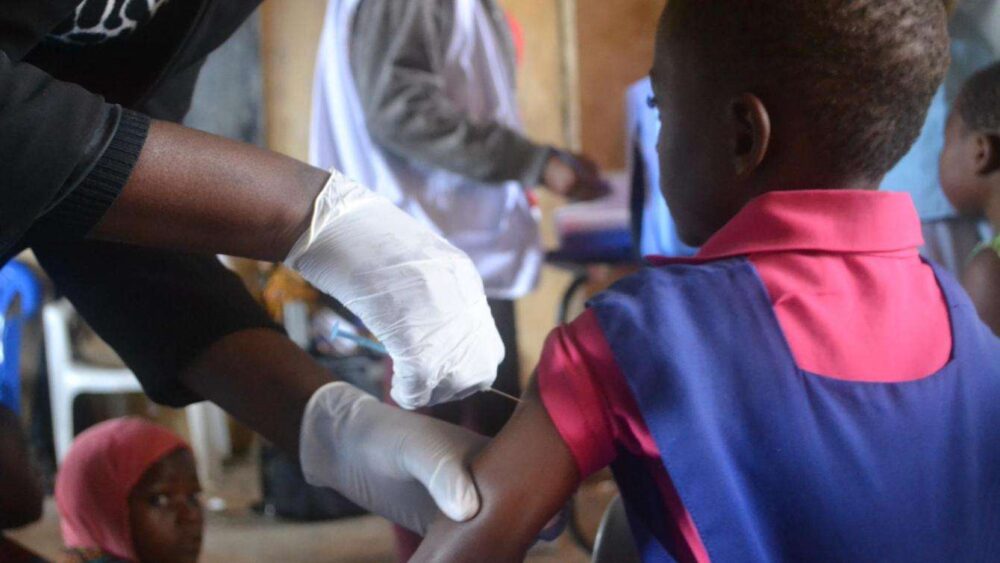
The government’s National Health Financing Strategy is prioritizing strengthening primary health care. Plans to introduce a National Health Insurance Scheme are also in the works. And the Ministry of Health aims to give local clinics more control over their own spending in line with local priorities and needs, she said.
“As government, we are looking at how to strengthen primary health care service provision, but the gaps are still there in terms of infrastructure,” she said. “The limited budget impacts quality of care, especially at primary level, while the distances that one travels just to get care is also an issue.”
Paradoxically, donor cuts have pushed Malawi to increase domestic spending on maternal health by 10%, with knock-on benefits for SRHR, Baloyi said.
“We are also integrating services — so the same young women who seek SRHR care also receive HIV prevention and treatment as needed. And that can reduce costs and improve outcomes.
“There’s a silver lining to the ODA budget cuts,” she added. “It’s bad when the budget is shrinking, but it is also giving us, as government, power to deal with our own challenges, our own problems.”
New donor partnerships and targets
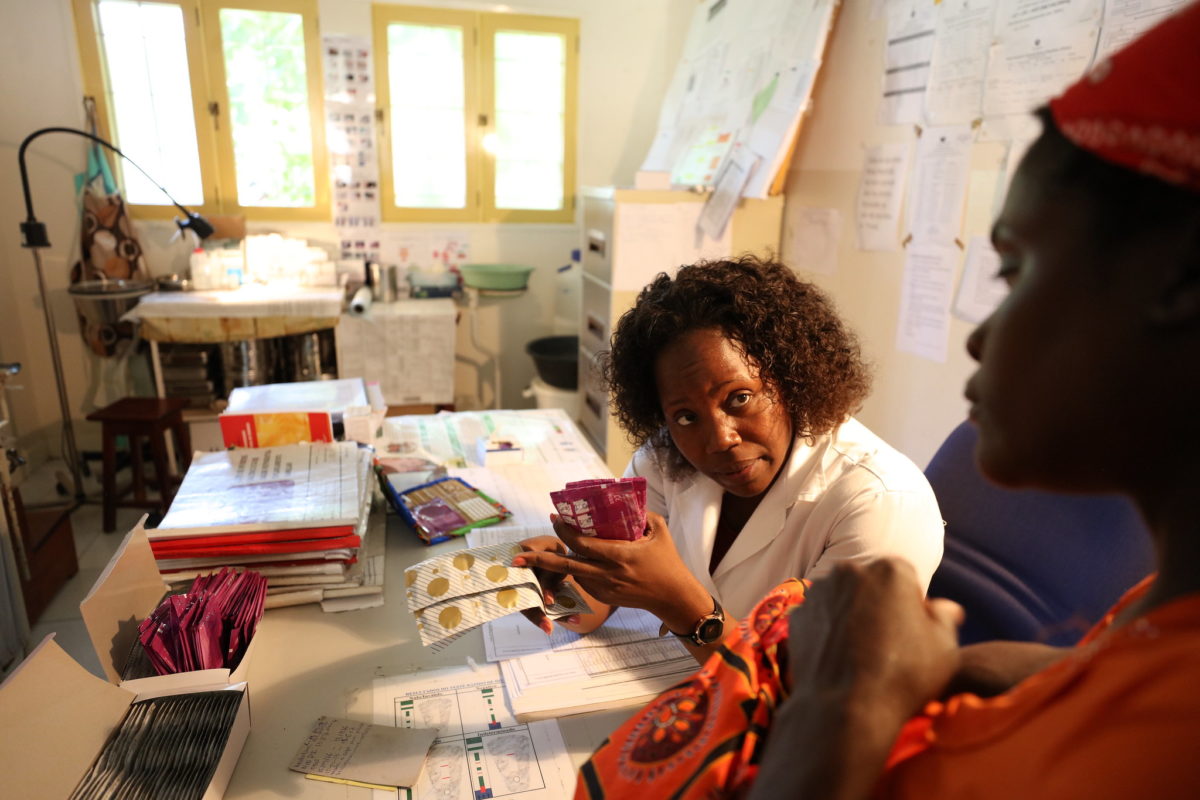
Panelists agreed that while donor funding may partially rebound, stronger national commitments and new kinds of partnerships are essential.
“It’s a fact that we will have to confront less funding in the future, so we have to somehow establish a new kind of partnership,” said Germany’s Ambassador to the UN in Geneva, Antje Leendertse.
She proposed that bilateral donor commitments include concrete targets for allocation to women’s health. “Sexual and reproductive health and rights should not be treated as an add-on, one optional thing,” she said.
“I think there should be some kind of agreement on a kind of goal – such and such percentage of every health engagement of a donor country or a community of donor countries has to flow into women’s health….That would be not only the right thing to do but also the smart thing to do.” She also urged prioritizing SRHR in humanitarian aid.
But such goals have been articulated in the past without achieving the desired effect, Ramsammy pointed out.
While an informal benchmark of 10% for SRHR has been cited by international parliamentarians and advocacy groups, only 23% of donors allocated more than 5% of their ODA to SHRH, he noted.
“So I think the call here is that we reiterate and strengthen that commitment,” Ramsammy added.
“We need predictable financing to safeguard critical programs, including maternal health, family planning, and adolescent health, from growing political and funding pressures.”
“We need to implement consistent high-quality sexuality education to equip young people with tools to prevent unintended pregnancies, sexually transmitted infections, and sexual coercion need to advance coordinated global and national action among governments, partners, and civil society to protect hard-won gains and ensure no woman, no birth is left behind in access to SRHR within universal health coverage.”
Image Credits: Dominic Chavez/World Bank, News Room , Health Policy Watch , WHO, 2019, Nadia Marini/MSF .
Combat the infodemic in health information and support health policy reporting from the global South. Our growing network of journalists in Africa, Asia, Geneva and New York connect the dots between regional realities and the big global debates, with evidence-based, open access news and analysis. To make a personal or organisational contribution click here.
Africa,Child & adolescent health,Content type,Gender & Health,Health Systems,HIV and AIDS,Infectious Diseases,Institutions,Latin America & Caribbean,News,Public Health,Regional Policy,Sexual & Reproductive Health,Women’s Health,World Health Assembly 79,World Health Organization,abortion rights,HIV/AIDS,SRHR,WHA#Facing #Threats #Sexual #Reproductive #Health #Rights #Countries #Show1783090969
