




A trillion-dollar food industry sues to keep prevention at bay while governments spend billions subsidising the drugs that treat what bad diets do. Meanwhile, Ebola outruns a hollowed-out WHO, and its Director-General’s legacy hangs on whether he can get a grip.
‘If all else fails, sue’
Last week’s most telling global health story was not about welfare but lawfare. A team of investigative journalists exposed the pandemic of litigation unleashed by ultra-processed food companies against the policies meant to restrain them: warning labels, junk-food taxes, marketing limitations. The companies brought 239 lawsuits across Mexico, Colombia, Brazil, US, UK, and India between 2010 and 2025.
Eight multinational corporations including Coca-Cola, PepsiCo, Mondelēz and Danone, accounted for nearly two-fifths of the cases identified by the Netherlands-based Lighthouse Reports team of journalists. Although the industry lost three-quarters of the suits concluded, litigation snarled up health ministries for a cumulative 595 years in court.
This tactic is straight out of the tobacco industry playbook, the aim being to delay, deter, and derail reforms. Including by suing, if all else fails. One Mexican bottler argued that its soft drinks were safer than local water. Colombian food-and-drink companies gave €5.85 million to political parties, two-fifths of all such donations in a year. In India, legislation mandating front-of-package labeling has been stalled since 2014, with companies suing social media influencers who post nutritional breakdowns of food products such as instant noodles and baby food. In the European Union, EU-wide food policy regulations for ultra-processed foods (UPFs) don’t adequately address their systemic health risks. But attempts by individual nations to enact more stringent regulations, taxes or front-of-package labeling rules on UPFs would face challenges under the EU’s single-market and competition rules.
The chilling effect on public health policy-making is not a by-product of strategy; it is the strategy.
A market for the cure
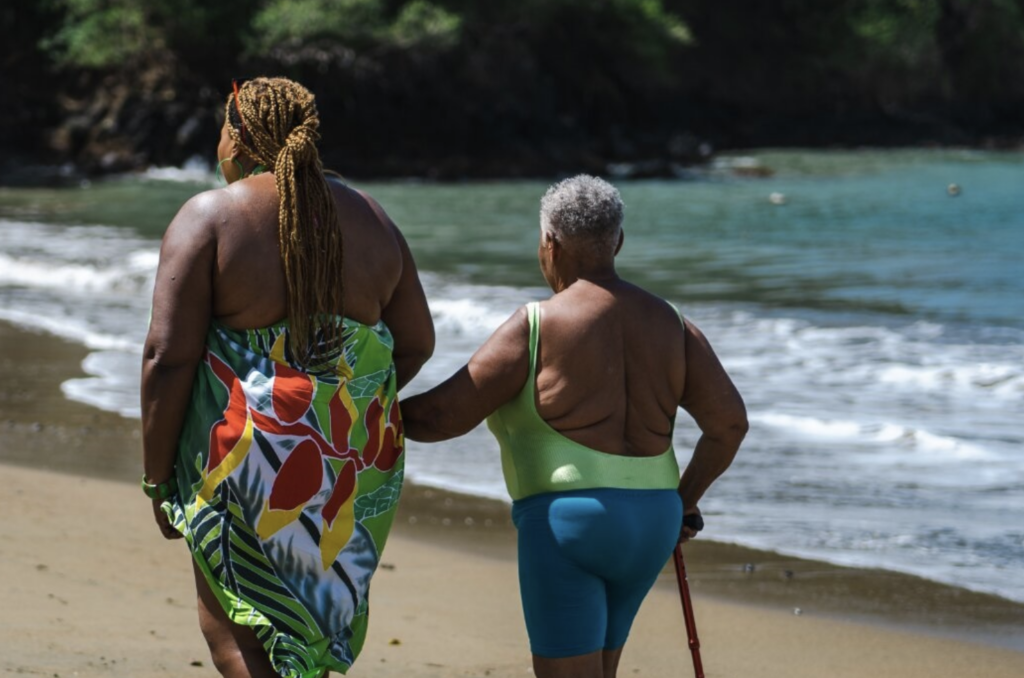
Set that against the direction health policy is travelling – with 2026 crowned as “the year of obesity pills.” WHO issued its first global guideline on GLP-1 medicines for obesity. The US launched a Medicare GLP-1 Bridge, offering beneficiaries a month of weight-loss drugs for $50, and European health systems have opened conditional access.
The real story is around ‘money’. The global processed-food industry is valued at an annual $2.2 trillion, rising toward $3.4 trillion by 2035. The GLP-1 market stood at $79 billion in 2025 and is forecast to reach $190 billion by then. The antidote, in other words, is around one-twenty-eighth the size of the products creating the problem – a downstream market spun off from an upstream one.
Both are dwarfed by the costs of the diseases caused by unhealthy diets. Overweight and obesity will cost the world more than $4 trillion a year by 2035, over 3 percent of global GDP, comparable to the Covid-19 shock in 2020. So, the public purse is asked to subsidise the cure at the very moment efforts to mitigate the cause is litigated into paralysis.
Not a zero-sum game
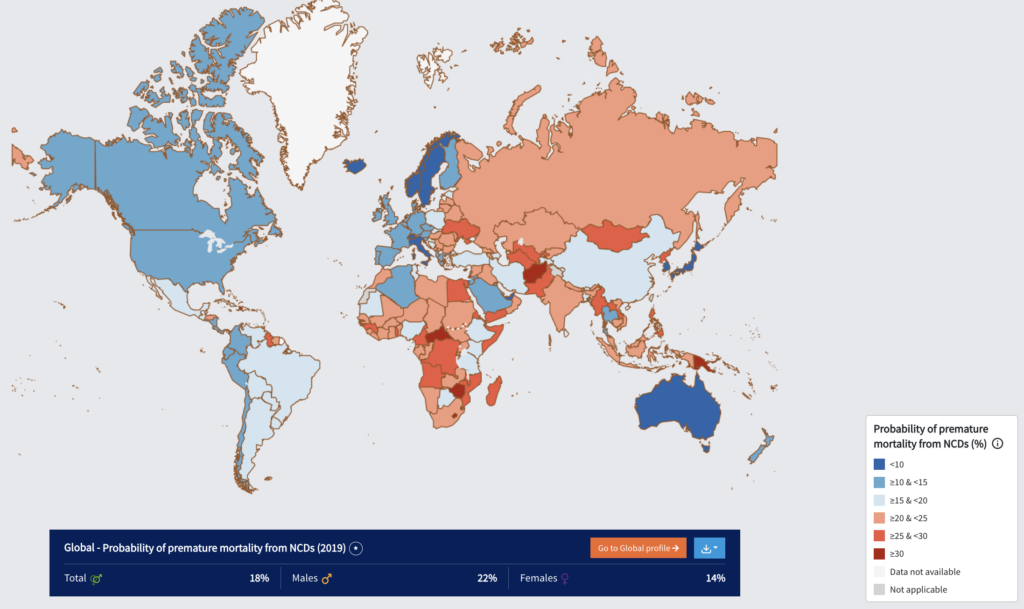
This is not an either/or argument for prevention rather than treatment. GLP-1 drugs are genuinely transformative and widening access is a real good for the 4 billion people in 2035 – 51% of the globe who are overweight. The drugs also have been recommended by WHO for people with type 2 diabetes – which can be linked to genetic factors as well as to lifestyle and diet.
But insofar as a large proportion of obese and overweight people also are members of lower-income socio-economic groups, at least in countries and economies where junk foods are cheaper than healthier alternatives, access to GLP-1 treatment is also highly asymmetric.
And so the injectables most often first reach higher-income groups with insurance and disposable income, while the contested warning labels and sugar taxes are no-cost tools that can protect the poorest. And it is in the latter group, mostly concentrated in low-income countries, where NCD rates are growing most rapidly and where the burden of premature death from diseases such as diabetes and cardiovascular conditions is the highest.
A world that finds billions to medicate while it will not spend political capital to prevent disease in the first place is making a choice. It is not a neutral one, let alone sensible, from the socio-economic perspective.
The reforms that didn’t reach Ituri
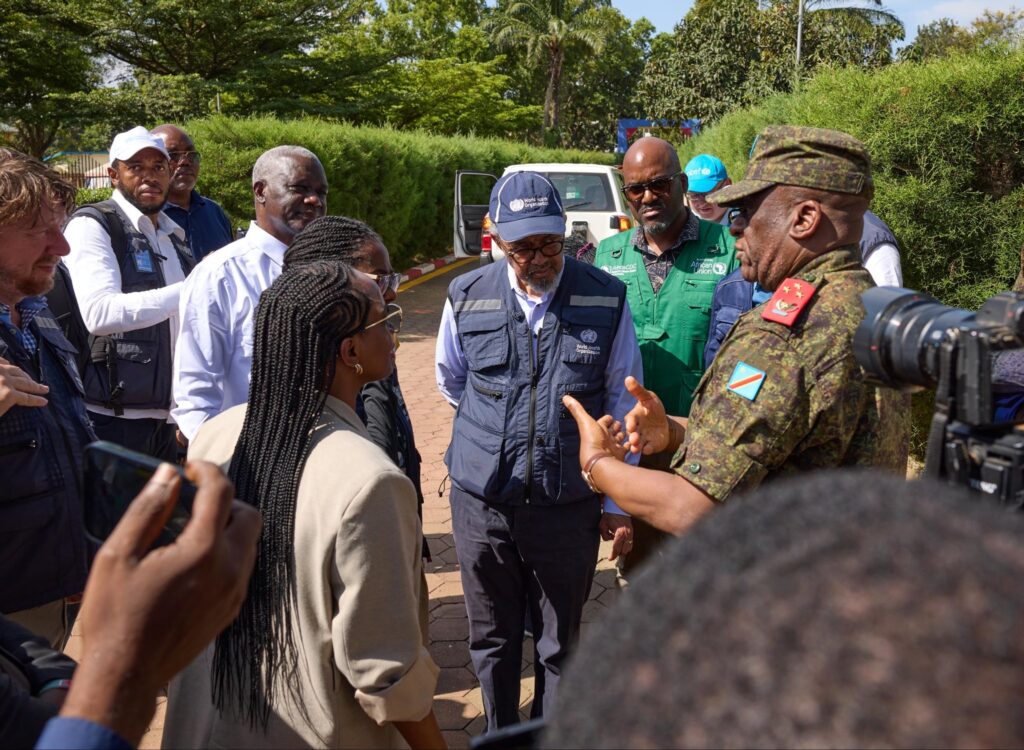
If that is the skewed ledger of prevention-and-cure, Congo provides the arithmetic of failure. The Bundibugyo Ebola outbreak this column tracked at 719 deaths in mid-July had, by 25 July, reached 2536 cases and 1033 deaths. The uncomfortable question is why is this outbreak expanding faster than the previous thirty outbreaks since the Ebola virus was discovered in 1976 in DRC itself?
The popular excuse is that aid cuts compromised surveillance systems and delayed detection. Then there are challenging field conditions in a large region with poor infrastructure, experiencing prolonged civil conflict, and chaotic population displacement. Also, socio-cultural resistance and mistrust of health workers, and lack of a specific vaccine against the Bundibugyo strain.
Is that sufficient justification? Many comparable factors were also present in the 2014-2016 West African outbreak that so far remains the largest to date, with 29,000 cases and 12,000 deaths. As an advisor in West Africa for the International Medical Corps (IMC), I experienced that epidemic directly on the ground – and equally noteworthy the delayed and incompetent WHO response. Bringing the epidemic under control ultimately required military assets from the US, UK, and France, and UN leadership superseding the WHO.
That episode posed an existential threat to WHO – as the world debated whether health emergency management should be taken away from the Organization to a new body. Fortunately, sense prevailed with the WHO reforms born out of the West African catastrophe. They included a beefed-up Health Emergencies Programme with new systems and a new Contingency Fund for Emergencies – as well as the birthing of a new, and assertive Africa Centres for Disease Control (CDC) to lead the continent’s public health challenges.
Following the Covid-19 pandemic, WHO’s International Health Regulations governing member states response to health emergencies were revised and in 2025 a Pandemic Agreement was approved by the World Health Assembly.
Unanswered questions
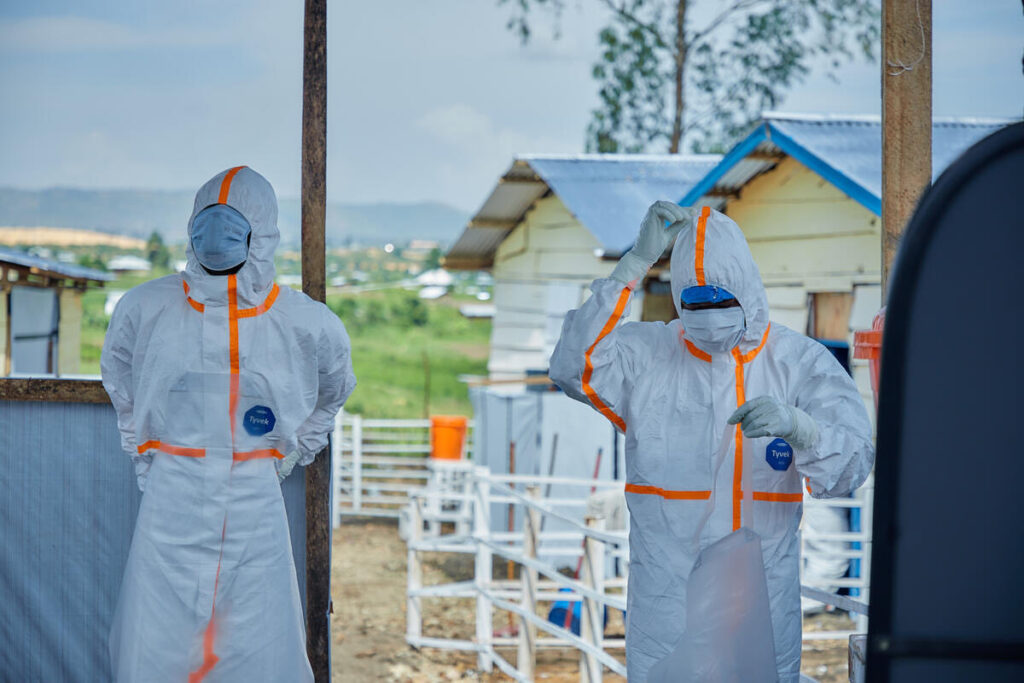
The question – unanswered so far – is why these new capacities, protocols, procedures, and partnerships are not making for a more effective showing in Congo? Is it because the post-2016 reforms are not being applied by a hollowed-out WHO, or are they irrelevant to Congo’s unforgiving realities?
Or is it that the joint Africa CDC and WHO Ebola response plan launched with much fanfare in early June has diffused leadership and accountability between Geneva and Addis? When two bodies declare the same emergency, share one under-filled budget, and apportion the command-and-control of a fast-moving crisis, where do you address concerns over a faltering response?
Post-outbreak evaluations will, no doubt, provide answers. But such exercises often say more about how to win past battles than tackling future ones. Meanwhile, immediate improvements to Ebola management in Congo cannot wait.
Shaping leadership legacies
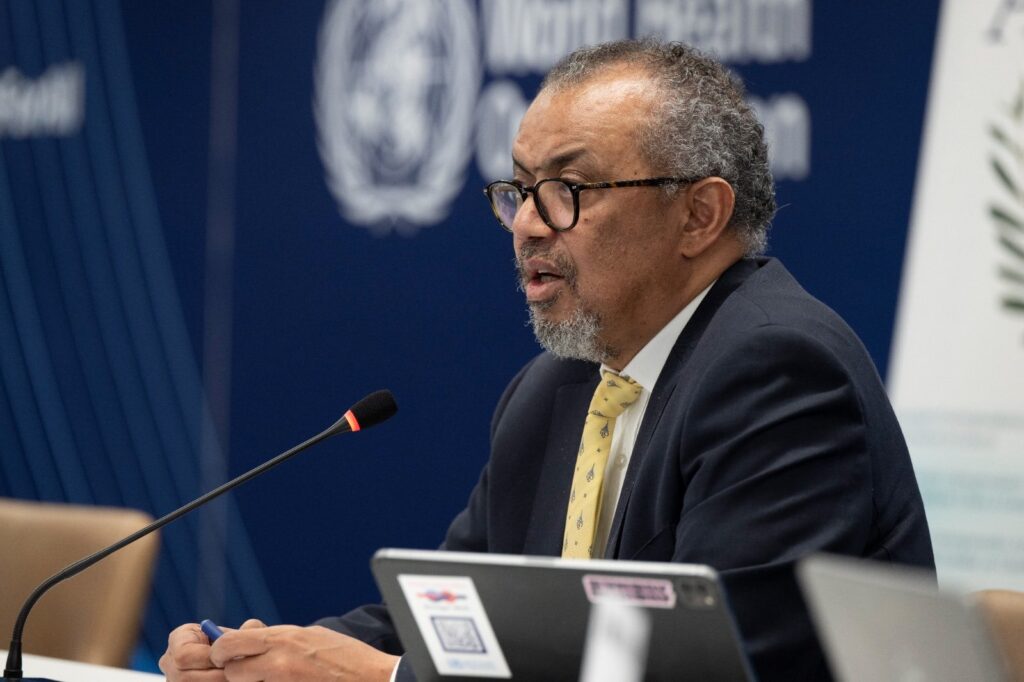
Recognising how history’s long arc inexorably bends should focus mindsets. Consider how the last great Ebola failure of 2014-16 in West Africa remade WHO’s leadership. It tarnished the end of the tenure of Director-General Margaret Chan, obliging her to concede that the Organization’s response “did not match” the required scale. That debacle forged a reform mandate, clearing the path for the election of WHO Director General Tedros Adhanom Ghebreyesusin 2017 as the ‘outsider-reformer’ vowing that WHO would never again be caught flat-footed by an emergency.
Now that Tedros is moving towards ending his own decade in office, what could be his legacy? The irony is sharp. A tenure that should be applauded for many achievements, including championing universal health coverage and standing up for global health though the depredations of Covid-19 and fragmented geopolitics may, instead, be remembered by his last battle.
That is because legacies in a fickle world are written more by the crisis a leader handles on the way out than by the ones they managed earlier – however competently. Unless WHO gets a grip on Congo now by bending the two-headed response into one, forcing limited available money to work better, and closing the gap between the ‘reformed’ machinery in Geneva and the struggling ground game in Ituri — the last chapter will be written not over laudatory cocktails in the Director General’s leaving parties but in Ituri’s wailing cemeteries.
It would be disappointing if the reformer who rode in on the last Ebola failure is seen out by the next.
That also raises a question for those seeking to succeed Dr Tedros next year as Director General. How can that high office allow its holder to shape events instead of being shaped by them? On the evidence of the week’s vital signs — stalling courtrooms, multi-billion drug markets, and mounting death tolls — it is fair to ask who is really in charge of our health?

Mukesh Kapila is professor emeritus of global health and humanitarian affairs at the University of Manchester, and a board member of Health Policy Watch. The opinions expressed are solely those of the author.
Image Credits: Unsplash/Hamza Nouasria, WHO / Alasdair Bell, WHO/NCD Portal, X/Tedros Adhanom Ghebreyesus, X/Tedros Adhanom Ghebreyesus, X/Tedros Adhanom Ghebreyesus.
Combat the infodemic in health information and support health policy reporting from the global South. Our growing network of journalists in Africa, Asia, Geneva and New York connect the dots between regional realities and the big global debates, with evidence-based, open access news and analysis. To make a personal or organisational contribution click here.
Content type,Drug & Diagnostics Development,Inside View,Medicines & Vaccines,News,Non-Communicable Diseases,Vital Signs in Global Health,Dr Tedros Adhanom Ghebreyesus,DRC Congo,Ebola,food policy,GLP-1,Ituri Province,legacy,Mukesh Kapila,Non-Communicable Diseases (NCDs),Processed foods,tobacco#Markets #Offer #Costly #Cures #Courts #Ensnare #Prevention #Ebola #Response #Stumbles1785149727
