


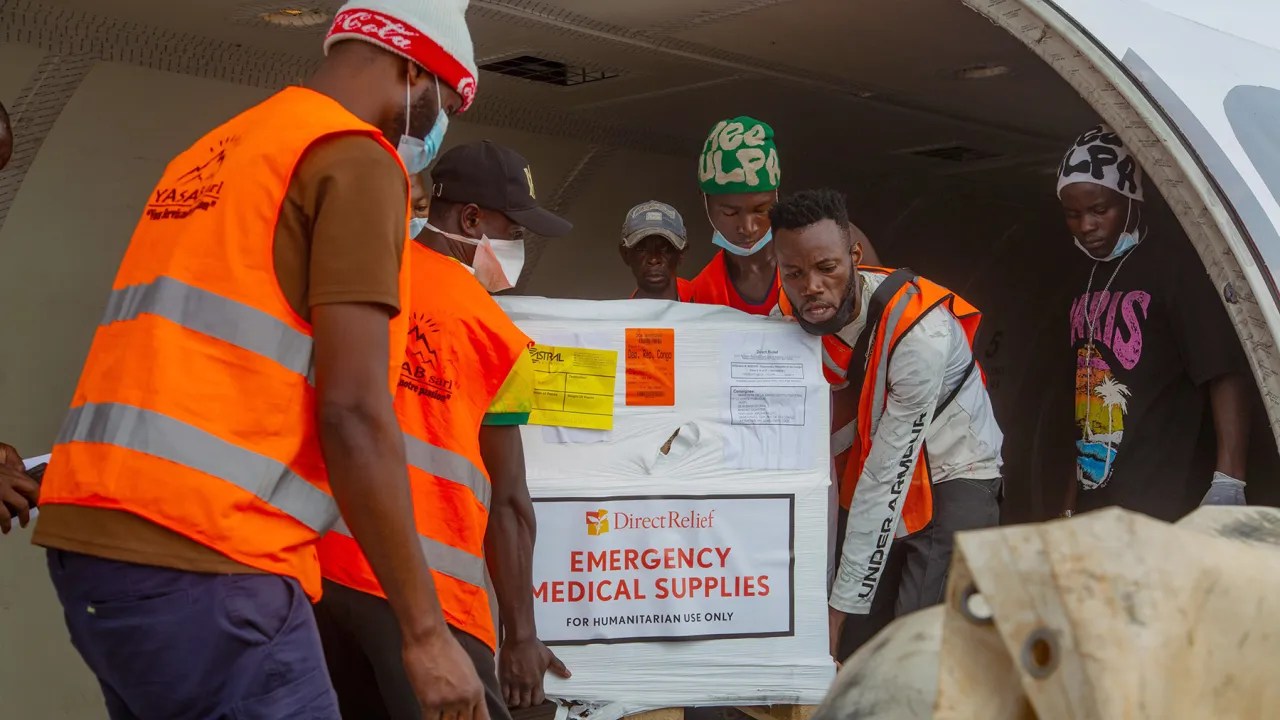
Treatment tents are burning in Ituri, burial teams are facing hostility, and suspected patients are fleeing quarantine centres, disappearing into communities.
These heartbreaking incidents are often described as obstacles to controlling the current Ebola outbreak. For the dedicated frontline workers risking their lives every day to contain the virus, these challenges are deeply frustrating. But as we reflect on how to best support these heroic efforts, we must ask a difficult question: why are people resisting those who are working so tirelessly to save them?
The answer may lie in a fundamental truth of public health: we must follow not only the path of the virus, but people’s response to it.
The current outbreak is caused by the Bundibugyo strain, a rare Ebola variant for which there is currently no approved vaccine or treatment. With limited medical countermeasures, community trust becomes our most vital first line of defence.
Ituri Province – a zone of conflict and displacement
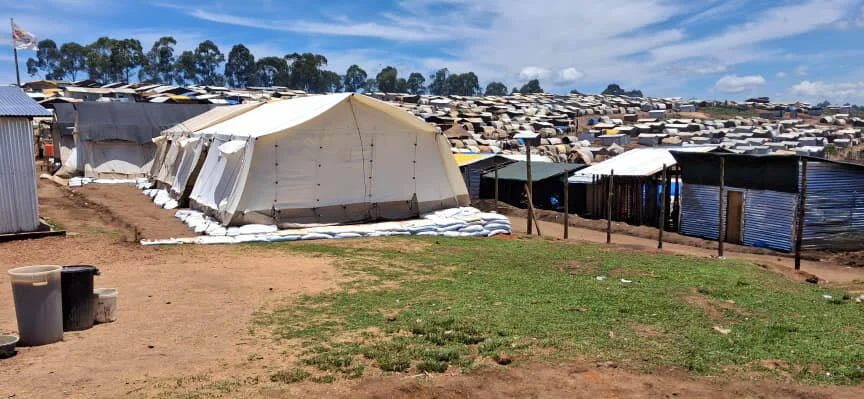
Consider the context of Ituri Province in the eastern Democratic Republic of Congo – a vast country roughly the size of western Europe.
Nearly five million people have lived for years amidst conflict raging in the country’s eastern region between Congolese government forces and local rebel groups; in Ituri this includes the Convention for the Popular Revolution (CRP), an ally of the better known M-23.
Ituri province is home to vast humanitarian needs and large-scale displacement, reflecting a broader national crisis in which more than 21 million Congolese require humanitarian assistance and nearly 8 million have been forced from their homes.
Half of the health centres in the conflict-ridden Fataki Health Zone, also now a virus hotspot, remain closed. And women struggle to access safe delivery care, as critical health surveillance funding for the region from USAID and other donors ended in March 2025. Essential health services have also been weakened by years of insecurity and chronic underinvestment.
This longstanding neglect has left treatable diseases such as malaria as one of the deadliest threats still facing communities in eastern DRC. The DRC alone accounts for approximately 11% of global malaria deaths, with children under five bearing the greatest burden.
Resistance – a rational response to historical neglect
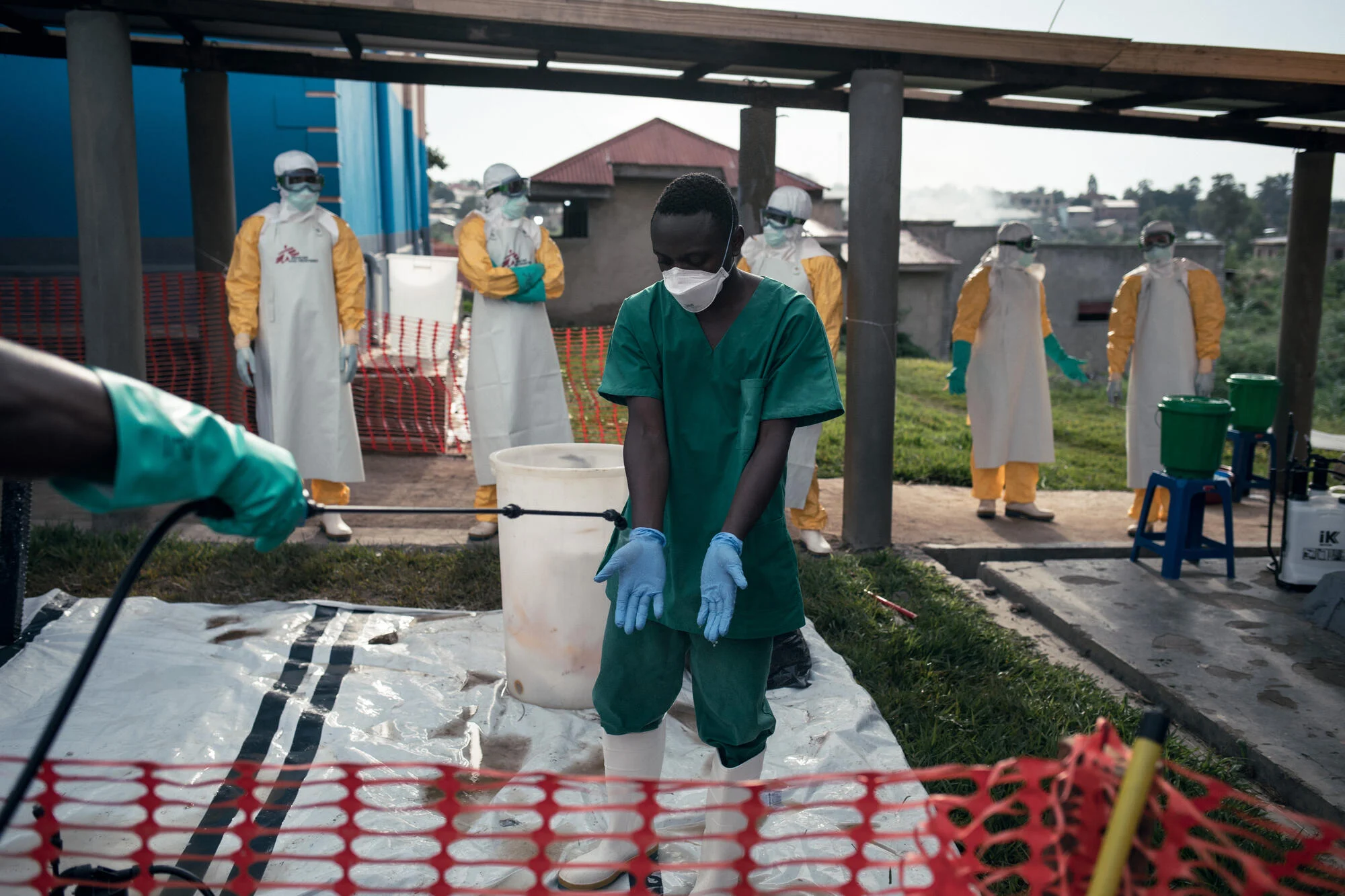
When an Ebola outbreak occurs, the international community mobilises rapidly, bringing in tents, protective suits, emergency protocols, and security escorts. This response is necessary and well-intentioned. However, to a community that has endured years of everyday crises with limited support, this sudden influx of resources can feel jarring. Understandably, some might interpret this intense focus as an external priority rather than a response to their holistic needs.
This resistance is not born of ignorance. It is a rational response to historical neglect. When a health system has struggled to address daily emergencies but suddenly scales up for a single disease, communities draw their own conclusions. Trust, we know, cannot be manufactured at the moment of crisis; it must be cultivated long before the emergency arrives.
Trust rests on three pillars: authenticity, empathy, and logic. In the chaos of an emergency response, establishing these pillars is an immense challenge for even the most dedicated teams.
Authenticity, empathy and logic as pillars of trust
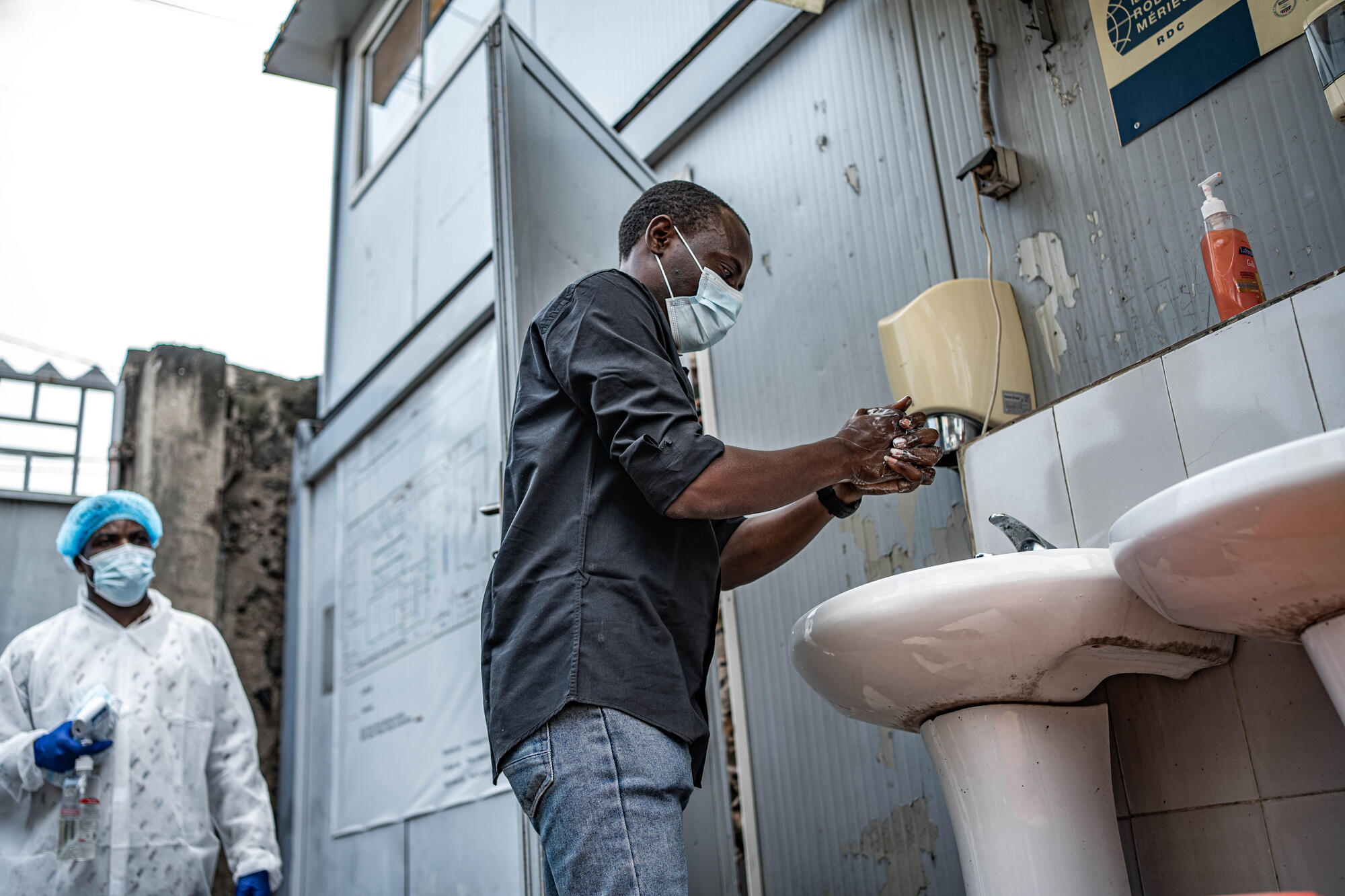
The logic of a response can be difficult for communities to grasp when it doesn’t align with their daily realities. When people see extraordinary mobilisation for Ebola but continue to lose children to malaria, malnutrition, and maternal complications, the reasoning can feel disconnected. They may wonder why such resources were not available for the threats they face every day.
Empathy is equally challenging to convey in a crisis. Frontline workers care deeply, but when people are hungry, displaced, grieving, and traumatised, a response focused solely on containment can feel clinical. When safety protocols require armed escorts for burials and prevent families from mourning their dead in traditional ways, the compassionate intent of the responders can be overshadowed by the rigid necessities of infection control.
Authenticity, too, is harder to perceive when intentions are viewed through the lens of historical trauma. Communities ask reasonable questions about the sudden arrival of numerous agencies and organisations. When the answers are complex, trust is fragile.
So, how do we bridge this gap and support the incredible work already happening on the ground?
Empowering local structures
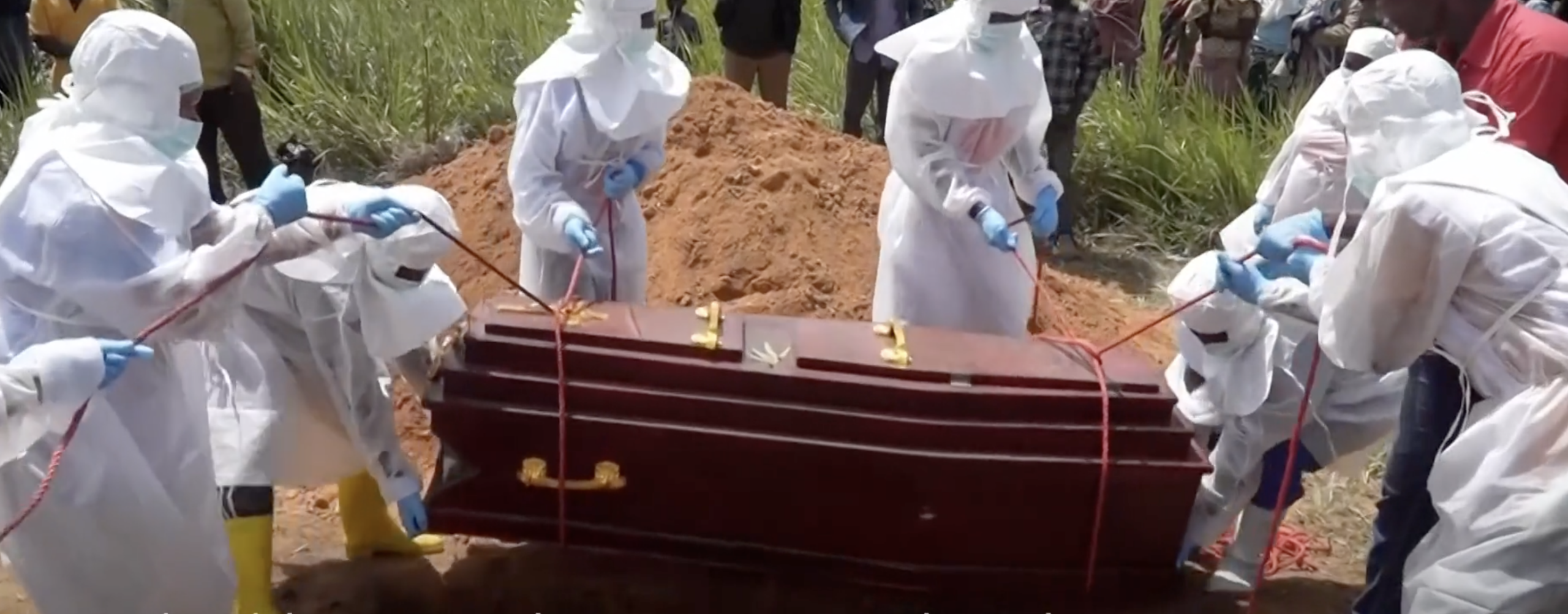
The evidence suggests that empowering local structures is the key. During the 2018–2020 Ebola response in this same region, communities that were actively involved as partners achieved greater success. Trusted local leaders played a critical role in dispelling rumours, while community-managed burial teams had significantly better outcomes.
We can build on this by further supporting local leaders and family members, providing them with training and personal protective equipment so they can carry their own dead with dignity under supervision. We must continue to shift our approach so that communities are not just beneficiaries of a response, but active partners in designing and delivering it.
And looking forward, we must advocate for responding to malaria, malnutrition, and maternal health with the same urgency, so that when the next crisis hits, a foundation of trust is already in place.
Trust is built from the bottom up, household by household, village by village. It is sustained by the local nurse who is there every day, the teacher who explains prevention measures, the religious leader who helps families navigate fear, and the community representatives who understand local realities.
The crisis in Ituri will not be solved by medical interventions alone. It will be solved by supporting those who are already doing the heavy lifting and by minding the gap in trust. Because in the absence of trust, even the best-resourced outbreak response will struggle. But when trust is present, communities themselves become our strongest defence.
Dr Githinji Gitahi is the Group CEO of Amref Health Africa.
Image Credits: Direct Relief , MSF , Alexis Huguet/MSF, Médecins Sans Frontières (MSF) , AP.
Combat the infodemic in health information and support health policy reporting from the global South. Our growing network of journalists in Africa, Asia, Geneva and New York connect the dots between regional realities and the big global debates, with evidence-based, open access news and analysis. To make a personal or organisational contribution click here.
Africa,Content type,Disease Surveillance,Ebola,Emergency Response,Health Systems,Humanitarian Crises,Humanitarian Relief,Infectious Diseases,Inside View,News,Outbreaks,Pandemics & Emergencies,Regional Policy,Uncategorized,Bundibugyo,conflict,Congo,DRC,Ituri Province#Mind #Gap #Ebola #People #Virus1782499862
