

Subscribe to Updates

    Get the latest creative news from FooBar about art, design and business.

    What's Hot

    U.S. Global Health Legislation Tracker

    June 23, 2026

    WHO Urges Dramatic Expansion of Newborn Screening to Detect Birth Defects

    June 23, 2026

    The Medical Frailty Exemption from Medicaid Work Requirements: Key Takeaways from the CMS Interim Final Rule

    June 23, 2026
    Facebook Twitter Instagram
    Health Care Providers & FacilitiesHealth Care Providers & Facilities
    • Health
    • Nutrition
    Facebook Twitter Instagram
    SUBSCRIBE
    • Homepage
    • Health

      U.S. Global Health Legislation Tracker

      June 23, 2026

      The Medical Frailty Exemption from Medicaid Work Requirements: Key Takeaways from the CMS Interim Final Rule

      June 23, 2026

      The Role of Immigrants in the U.S. Health Care Workforce

      June 18, 2026

      Key Facts about the Uninsured Population

      June 17, 2026

      KFF Tracking Poll on Health Information and Trust: Use of Social Media and AI For Health Information and Advice

      June 17, 2026
    • News
      1. Health
      2. View All

      U.S. Global Health Legislation Tracker

      June 23, 2026

      The Medical Frailty Exemption from Medicaid Work Requirements: Key Takeaways from the CMS Interim Final Rule

      June 23, 2026

      The Role of Immigrants in the U.S. Health Care Workforce

      June 18, 2026

      Key Facts about the Uninsured Population

      June 17, 2026

      Impact of Medical Training Prioritisation Act on specialty training recruitment

      June 21, 2026

      NHS hay fever advice searches double as temperatures rise during World Cup

      June 21, 2026

      NHS braces for jump in post-match A&E visits

      June 17, 2026

      Public urged to access NHS care amid ‘triple whammy’ of doctors’ strike, heatwave and World Cup

      June 13, 2026
    • Nutrition
    • Fitness
    • Lifestyle
    • Privacy Policy
    Health Care Providers & FacilitiesHealth Care Providers & Facilities
    Home»Nutrition»As Extreme Heat Deaths Mount in Europe, WHO Urges Urban Redesign
    Nutrition

    As Extreme Heat Deaths Mount in Europe, WHO Urges Urban Redesign

    adminBy adminJune 11, 2026No Comments5 Mins Read
    Facebook Twitter Pinterest LinkedIn Tumblr Reddit WhatsApp Email
    As Extreme Heat Deaths Mount in Europe, WHO Urges Urban Redesign
    Share
    Facebook Twitter LinkedIn Pinterest WhatsApp Email

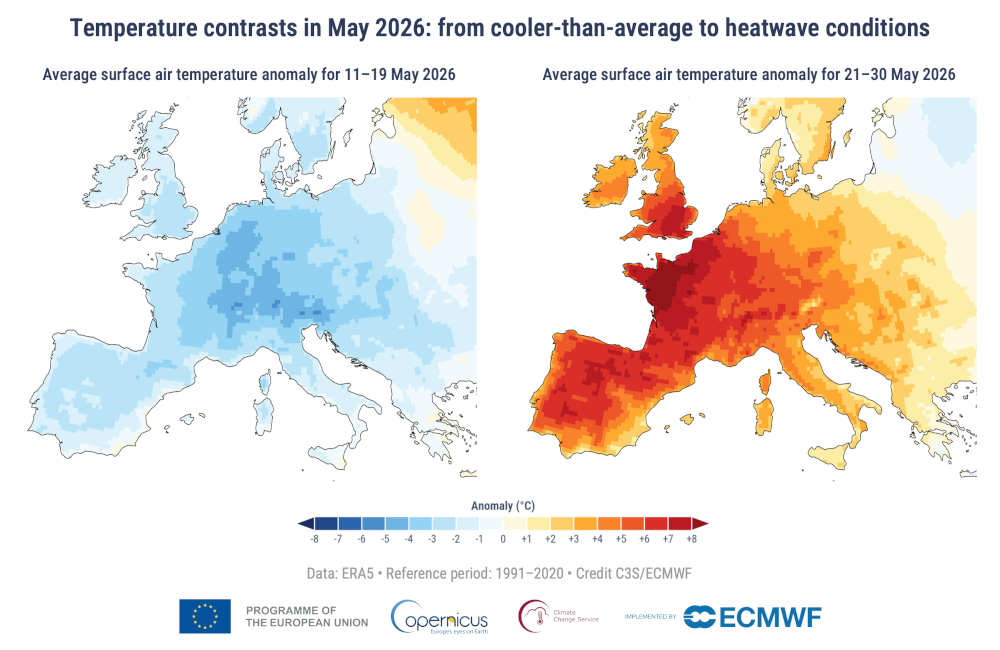
    EU climate monitor Copernicus maps highlight severe extreme weather and heatwaves across Europe in May 2026.
    EU climate monitor Copernicus maps highlight severe extreme weather and heatwaves across Europe in May 2026.

    Following a severe May heatwave, the World Health Organization (WHO) issued new global guidelines on Thursday in Berlin to accelerate climate adaptation and structurally overhaul health systems and urban spaces.

    Over the past four years, extreme heat has claimed more than 200,000 lives across Europe, positioning it as the deadliest climate-related hazard. As new climate data reveals, global warming was pushed to 1.37°C above pre-industrial levels in 2025 – and is expected to breach the critical 1.5°C threshold within four years. WHO estimates the annual regional death toll could reach 120,000 by 2050 without effective intervention.

    “Europe is warming faster than any other continent, and we are paying for it in lives,” said Dr Hans Henri Kluge, director of the WHO’s European Region (WHO/EURO), presenting the updated guidelines for Heat-Health Action Plans.

    Rather than treating heatwaves as isolated emergencies, the updated WHO framework urges governments to fundamentally redesign their cities, workplaces and health systems. S

    tructured around eight core elements – governance, warning systems, populations at risk, communication, resilience, reducing heat exposure, surveillance, and evaluation – the new approach shifts toward urgent, practical interventions that actively reduce thermal exposure across society.

    Redesigning for cooler cities
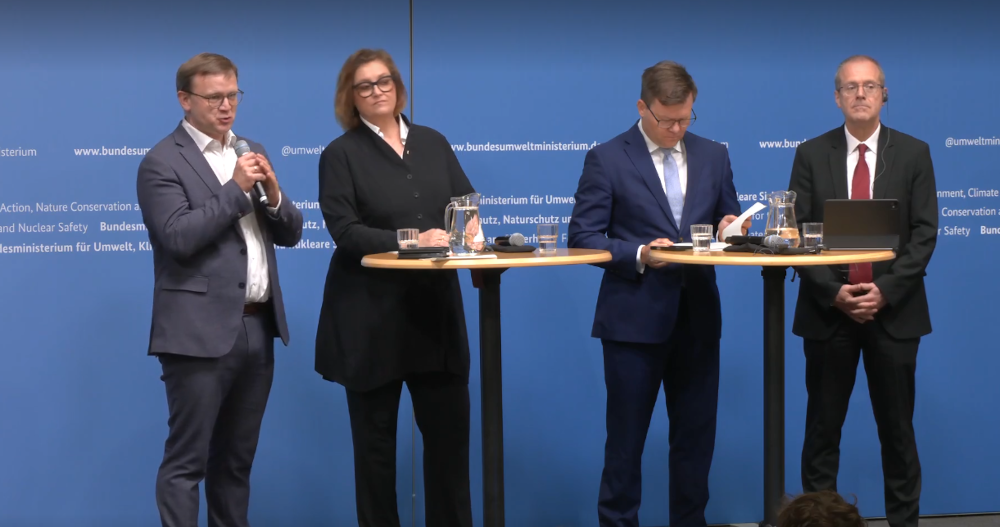
    From left to right: press spokesperson Christopher Stolzenberg, Berlin Senator for Health Dr Ina Czyborra, German Federal Environment Minister Carsten Schneider, and WHO Regional Director for Europe Dr Hans Henri P. Kluge.
    From left to right: press spokesperson Christopher Stolzenberg, Berlin Senator for Health Dr Ina Czyborra, German Federal Environment Minister Carsten Schneider, and WHO Regional Director for Europe Dr Hans Henri P. Kluge.

    Urban landscapes currently amplify extreme heat through dense infrastructure and heat-absorbing materials. “Large, densely built-up cities are particularly vulnerable to the dangers of summer heat,” noted Berlin Senator for Health Ina Czyborra at the launch.

    To counter this, city planners are urged to embrace the “sponge-city” principle, replacing concrete with permeable surfaces, expanding tree canopies, and utilizing reflective materials to disperse accumulated heat. Beyond city limits, preserving natural ecosystems such as moors, forests, and floodplains provides a vital cooling buffer that actively retains water in the landscape for broader metropolitan areas.

    “Nature can help us combat the heat if we let it,” emphasised German Federal Environment Minister Carsten Schneider.

    Protecting workers and patients
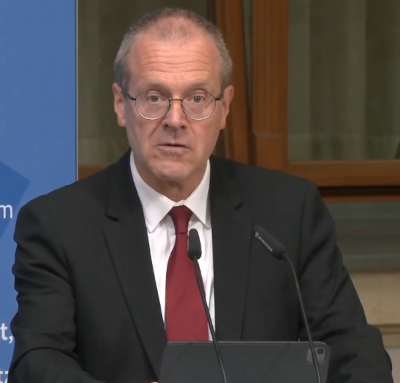
    WHO's Dr Kluge warns of the dangers of extreme heat.
    WHO’s Dr Kluge warns of the dangers of extreme heat.

    As extreme temperatures drive patient surges and disrupt supply chains, the updated WHO guidelines urge health administrators to build structural resilience and implement robust heat-health surveillance to track real-time morbidity. This includes backup power for cooling systems, protecting temperature-sensitive medication, and safeguarding digital infrastructure from heat-induced failures.

    Simultaneously, the framework mandates that employers implement strict occupational protections to shield frontline medical staff, construction workers, and agricultural labourers from severe heat stress. Employers face new directives to enforce mandatory acclimatisation periods, provide shaded rest areas, and adapt personal protective equipment.

    Crucially, the guidance states that supervisors must establish clear communication channels that empower workers to halt unsafe labour and seek immediate medical help without fear of reprisal.

    Ensuring equitable survival

    Because extreme heat disproportionately targets the isolated, the elderly, and the economically disadvantaged, WHO insists that survival cannot depend on individual resources alone.

    The new guidance mandates that local authorities formally map vulnerable populations and link this data directly to heat-health warning systems, ensuring that official alerts instantly trigger targeted outreach, including proactive home visits and wellness checks during thermal spikes.

    The framework also calls for public health messaging campaigns to be co-designed with affected communities to guarantee inclusivity and cultural relevance. Consequently, health authorities are instructed to utilize diverse dissemination channels to ensure that life-saving advice reaches transient populations, undocumented migrants, and those lacking digital literacy.

    The cost of resilience
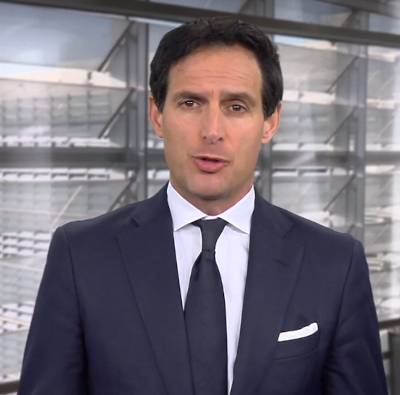
    EU Commissioner Wopke Hoekstra discusses resilience.
    EU Commissioner Wopke Hoekstra discusses resilience.

    While the guidelines provide a clear roadmap for adaptation, executing this transformation requires authorities to explicitly identify sustainable financing mechanisms and establish embedded monitoring, evaluation, and learning systems to track their effectiveness.

    As European Commissioner for Climate Wopke Hoekstra noted in his foreword, “The evidence is clear: investing in emission reductions is far cheaper than paying for climate damage.”

    Yet, this remains a profound challenge amid the ongoing war in Ukraine and strained European government budgets due to increased defence spending.

    Addressing questions on expiring adaptation funds during the Berlin launch, Schneider acknowledged the “poor financial situation” currently complicating national budget negotiations.

    With even a wealthy economy like Germany struggling to secure this funding, the pressing question arises: which states and cities will actually be able to facilitate the investments urgently needed to prevent deaths from extreme heat and yield those future returns.

    El Niño Conditions Will Lead to More Heatwaves, Droughts and Wildfires Over Next Few Months, Warns WMO

    Image Credits: Luis Graterol via Unsplash, EU/Copernicus, Felix Sassmannshausen/HPW.

    Combat the infodemic in health information and support health policy reporting from the global South. Our growing network of journalists in Africa, Asia, Geneva and New York connect the dots between regional realities and the big global debates, with evidence-based, open access news and analysis. To make a personal or organisational contribution click here.

    Climate and Health,Climate change,Content type,Europe,European Union,Health & Environment,Institutions,News,Regional Policy,climate adaptation,extreme heat,Health Policy,public health,urban planning,world health organization#Extreme #Heat #Deaths #Mount #Europe #Urges #Urban #Redesign1781186025

    deaths Europe Extreme Heat Mount Redesign Urban Urges
    admin
    • Website

    Related Posts

    WHO Urges Dramatic Expansion of Newborn Screening to Detect Birth Defects

    June 23, 2026

    How Ghana Slashed Child Malaria Deaths by 86%

    June 23, 2026

    ‘Progress is Not Success,’ Warns UNAIDS at Start of Poorly Attended UN High-Level Meeting on HIV

    June 22, 2026

    Leave A Reply Cancel Reply

    Don't Miss
    Health

    U.S. Global Health Legislation Tracker

    By adminJune 23, 20260

    This tracker provides a listing of global health-related legislation being considered by the 119th Congress…

    WHO Urges Dramatic Expansion of Newborn Screening to Detect Birth Defects

    June 23, 2026

    The Medical Frailty Exemption from Medicaid Work Requirements: Key Takeaways from the CMS Interim Final Rule

    June 23, 2026

    How Ghana Slashed Child Malaria Deaths by 86%

    June 23, 2026
    Stay In Touch
    • Facebook
    • Twitter
    • Pinterest
    • Instagram
    • YouTube
    • Vimeo
    Our Picks

    U.S. Global Health Legislation Tracker

    June 23, 2026

    WHO Urges Dramatic Expansion of Newborn Screening to Detect Birth Defects

    June 23, 2026

    The Medical Frailty Exemption from Medicaid Work Requirements: Key Takeaways from the CMS Interim Final Rule

    June 23, 2026

    How Ghana Slashed Child Malaria Deaths by 86%

    June 23, 2026

    Subscribe to Updates

    Get the latest creative news from SmartMag about art & design.

    Demo
    About Us
    About Us

    Your source for the lifestyle news. This demo is crafted specifically to exhibit the use of the theme as a lifestyle site. Visit our main page for more demos.

    We're accepting new partnerships right now.

    Email Us: info@example.com
    Contact: +1-320-0123-451

    Our Picks

    Large Study of COVID Vaccine Side Effects in Sweden

    January 12, 2020

    Coronavirus latest: Japan’s Vaccination Rate Tops 75% As Cases Drop

    January 10, 2020

    J&J’s New Vaccines Leader Talks Covid-19 & Pipeline Plans

    January 8, 2020

    U.S. Global Health Legislation Tracker

    June 23, 2026

    WHO Urges Dramatic Expansion of Newborn Screening to Detect Birth Defects

    June 23, 2026

    The Medical Frailty Exemption from Medicaid Work Requirements: Key Takeaways from the CMS Interim Final Rule

    June 23, 2026
    Facebook Twitter Instagram Pinterest
    • Home
    • Health
    • Nutrition
    • News
    © 2026 ThemeSphere. Designed by WPfastworld

    Type above and press Enter to search. Press Esc to cancel.