


A clinical trial of two antivirals that may be effective in treating Ebola Bundibugyo is expected to start in the Democratic Republic of Congo (DRC) next week.
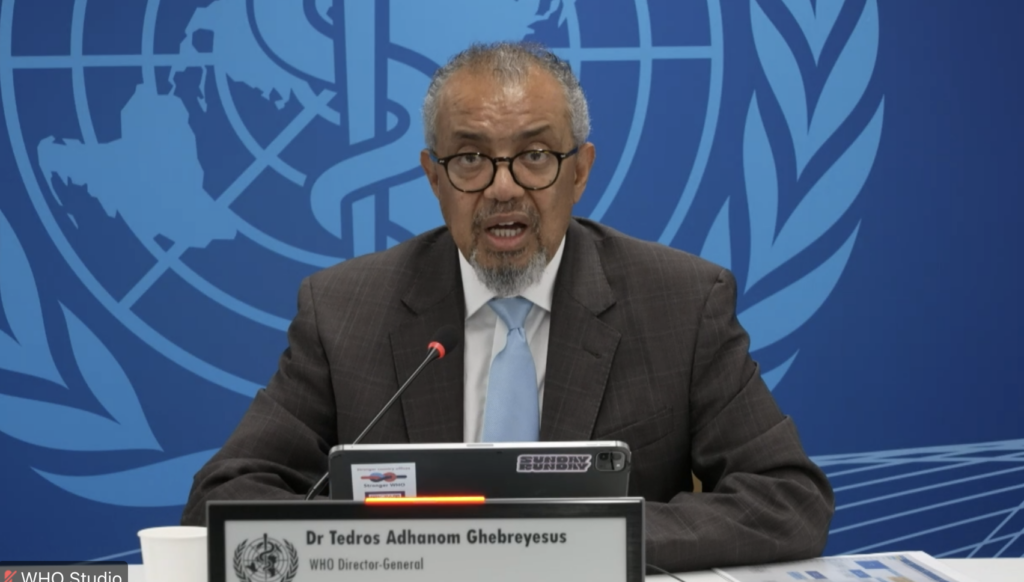
“The trial will evaluate whether MVPC 134 and remdesivir can help to reduce mortality in patients with Bundibugyo virus disease, alone or in combination,” World Health Organization (WHO) Director-General Dr Tedros Adhanom Ghebreyesus told a media briefing on Wednesday.
The two interventions will be tested on confirmed cases of people with Bundibugyo, and the WHO estimates that it will need around 1,000 people to be enrolled to test whether the treatments are safe and effective.
There are currently 1,094 confirmed Ebola cases and 277 deaths. Two cases outside the DRC have been recorded over the past week, one each in Uganda and France.
The French Health Ministry reported on Wednesday that a doctor who had recently returned from a humanitarian mission in the DRC had tested positive, and was in a stable condition in a specialised facility.
The Ugandan case is linked to the DRC outbreak, bringing the country’s cases to 20.
‘Little miracle’
In the past five weeks, capacity in the DRC has improved dramatically, said Tedros. Treatment beds have increased from less than 10 to over 500 in 19 health centres, while laboratory capacity has risen from 30 tests a day at the Central Laboratory in Kinshasa to over 2000 tests a day in nine labs across the three most affected provinces.
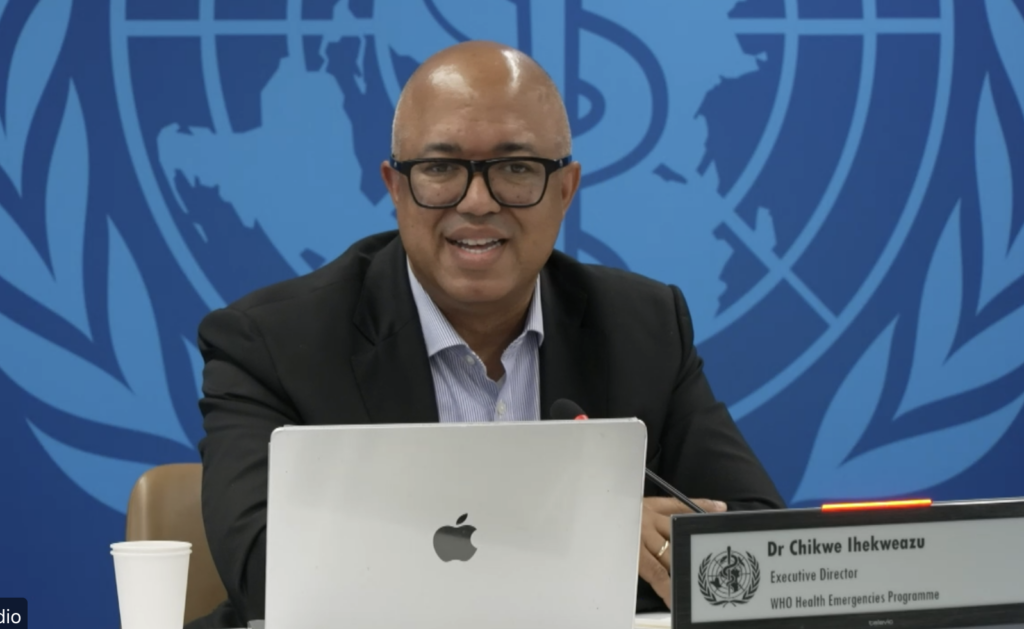
Dr Chikwe Ihekweazu, executive director of the WHO Health Emergencies Programme, praised the DRC government for driving the response, with improvements “every day”.
“Increasingly, communities are leading this response from the front, identifying cases, and bringing them into care,” said Ihekweazu.
He described the establishment of the nine laboratories as “a little miracle”.
“It’s not just setting out equipment and a reagent. It’s providing power, security, logistics, transport, sample transportation, report notification, all of these are necessary to get a lab to work.”
Outpacing response
However, Tedros warned that “the outbreak is continuing to outpace the response”, and “political advocacy and action are essential to create the conditions for increased humanitarian access and a scaled response”.
“Contact tracing is still not at the level needed. Capacity at treatment and isolation centres is insufficient. Safe and dignified burials remain a major challenge. The health system is under pressure. Border closures continue to hinder the response. Multiple security incidents have been reported, and the affected area is in the grip of a decades-long humanitarian crisis, and financial support is still insufficient,” Tedros elucidated.
Dangers for health workers
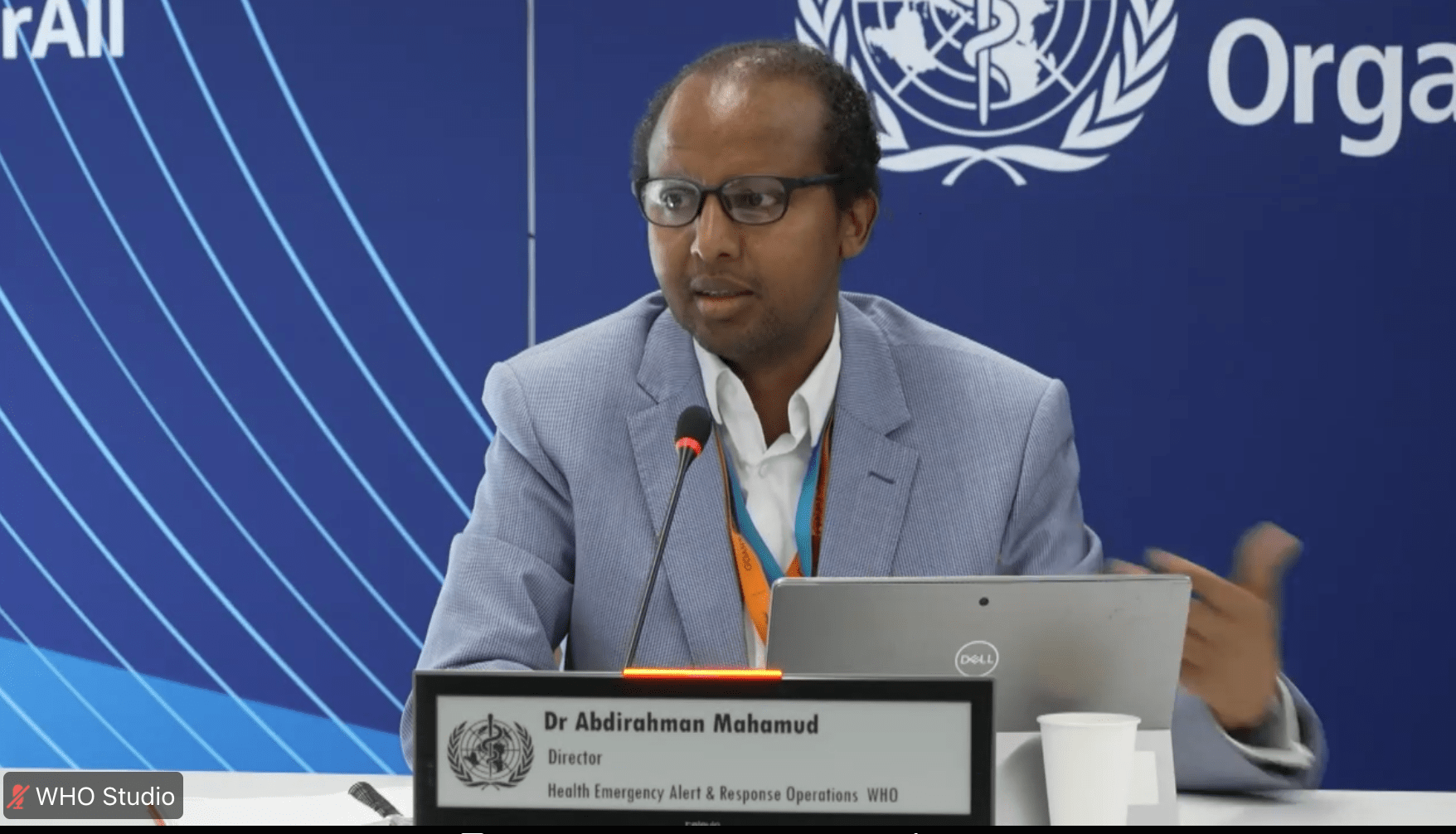
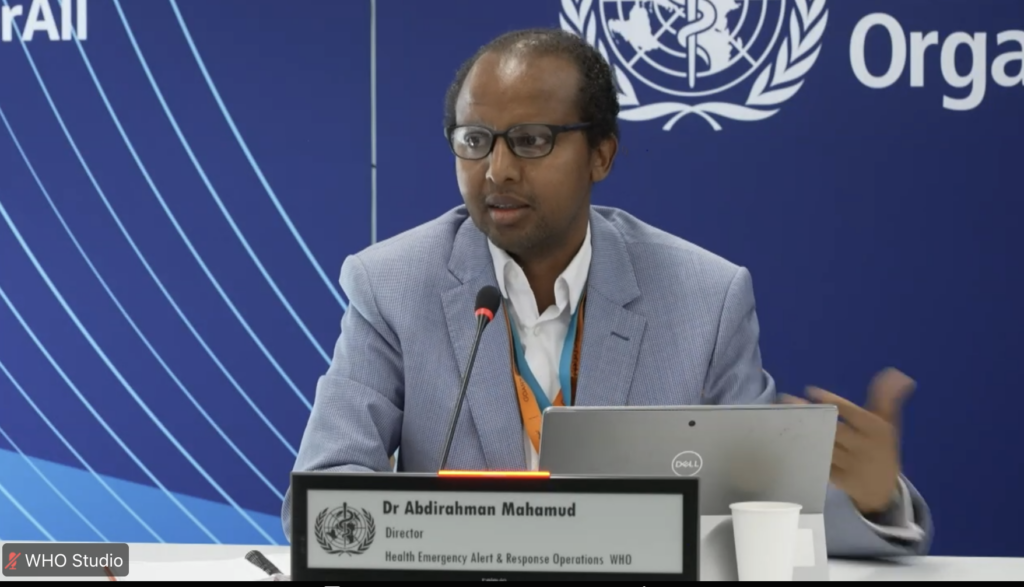
Dr Abdi Abdi Rahman Mahamud, WHO director of Health Emergency Alert and Response Operations, told the media briefing that there have been seven incidents targeting healthcare workers in the Ebola response.
“These incidents demonstrate the real challenge and the heroism of healthcare workers,” said Mahamud, adding that 82 healthcare workers have been infected – 78 in DRC and four in Uganda.
Mahamud also said that the WHO has a weekly call with officials from the US Centers for Disease Control and Prevention (CDC) globally, while WHO officials were in almost daily contact with the US CDC country director in the DRC.
“We are in the process of ensuring, because they are not able to go to the field, to link [up with] them, so that they can participate in the coordination,” said Mahamud.
“At the technical level, both in the field and at the global level, there’s some excellent collaborations, and hopefully this will be strengthened. I think this outbreak has shown WHO, US CDC and the US government how critical collaborating in the field, sharing information, everything that’s required to respond is.”
Access for those who need it?
Meanwhile, the co-chairs of the Independent Panel for Pandemic Preparedness and Response have called on the WHO, Africa CDC and affected countries to develop a “transparent roadmap showing how promising vaccines, treatments and tests will move from development to delivery if they prove successful”.
“Responsibility for research, manufacturing, procurement, licensure and delivery currently appears fragmented across multiple organisations,” they note in a statement on Wednesday.
“The work to identify vaccine and treatment candidates, and to fund the next stages of development, has been rapid when compared to past Ebola emergencies,” said co-chair Ellen Johnson Sirleaf.
“However, questions remain regarding financing the full development, manufacturing, procurement, deployment and access should vaccines, treatments or tests prove successful. We also need publicly articulated guarantees that these products will reach the people who need them most.”
Combat the infodemic in health information and support health policy reporting from the global South. Our growing network of journalists in Africa, Asia, Geneva and New York connect the dots between regional realities and the big global debates, with evidence-based, open access news and analysis. To make a personal or organisational contribution click here.
Content type,Ebola,Infectious Diseases,News,Bundibugyo,DRC,MVPC 134,remdesivir#Ebola #Cases #Breach #Trial #Antiviral #Treatments #Due #Start1782320139
